I Want Clear Skin Before My Wedding! – Laser Treatments for Brides-to-be
This post was written in accordance with the Medical Service Act and was created by a medical institution operated by a board-certified dermatologist at Hev Clinic, with the consent of the patient who received treatment.
It is not intended to emphasize treatment effects or personal treatment experiences, but rather to provide general information about dermatology and aesthetic procedures.
The photos used in this post meet the following conditions:
- The same individual appears in both the before and after photos.
- The dates when the photos were taken before and after treatment are specified.
- The photos were taken under the same conditions.
This post provides various medical information, including possible side effects that may occur from the procedure. In accordance with Article 56, Paragraph 2, Subparagraph 7 of the Medical Service Act, diagnoses and treatment results may vary depending on the individual, and both effects and side effects may differ from person to person.
※ This article was written directly by the director of Hev Clinic for the purpose of providing information about dermatologic and aesthetic procedures.
If you’re preparing for your wedding—or you simply want clearer, brighter skin—this case study is for you. Pigmentation concerns like melasma, freckles, and dark spots can make your overall tone look dull, and they’re often difficult to improve with skincare products alone.
Photo & Treatment Notes
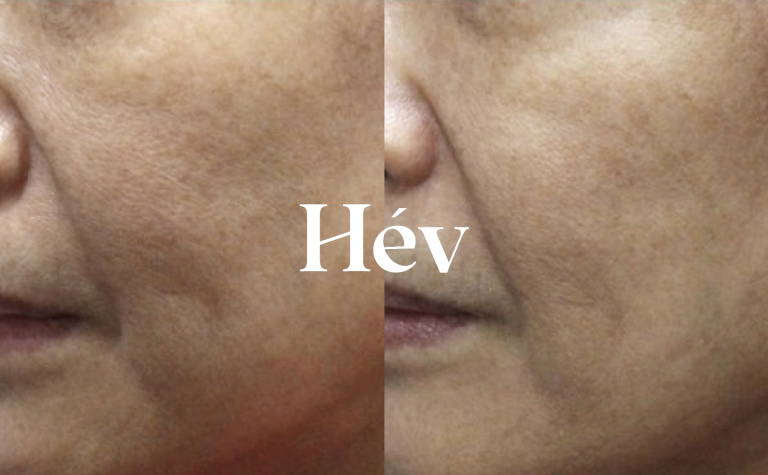
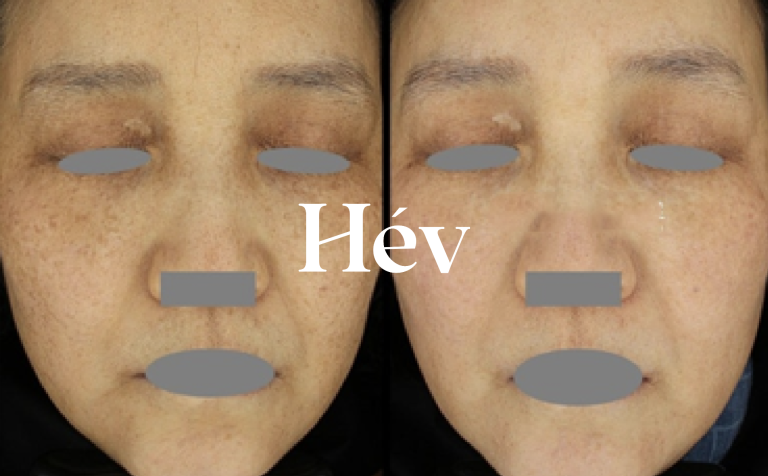
Before: 2024.09.10 – After: 2024.12.03
This photo was shared with consent and is an unedited, original image of the same person taken in the same location.
Results vary by individual. Please consult thoroughly in advance about possible side effects (including pigmentation changes, bruising, or swelling).
1) Clinic Visit: The Main Concern
A bride-to-be came in because she felt her complexion looked dark and uneven due to blemishes and melasma. Her goal was simple: a clearer, more radiant look—especially without having to rely on heavy base makeup.
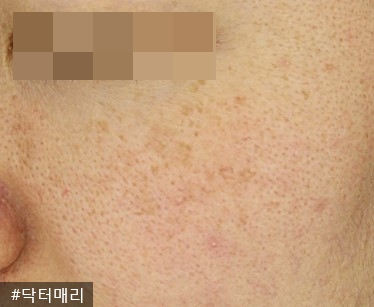
Unfortunately, these kinds of pigment issues are often stubborn. Even the best “melasma creams” or spot-correcting cosmetics typically can’t remove deeper pigmentation on their own.
2) Visual Skin Check: What Are We Actually Treating?
In addition to melasma and pigmentation, the face can show several other concerns that may look similar at first glance—such as moles, flat warts, milia, sebaceous hyperplasia, and seborrheic keratoses.
That’s why we carefully confirm which types of lesions are present and how widely they’re distributed.
(This step matters a lot.)
Each condition responds differently and requires a different treatment strategy and treatment schedule.
3) Mark-Vu Imaging: An Objective Baseline
Before starting pigment laser treatments, we document the skin objectively using imaging. This gives us a clear baseline to compare progress over time.
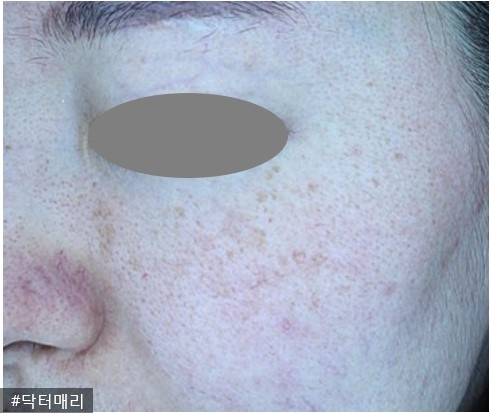
We also use these images to confirm whether areas that look “suspicious” to the naked eye are truly pigmentation—and to check if there’s anything hidden beneath the surface.
4) Final Assessment: Building a Personalized Plan
Based on the visual exam and Mark-Vu imaging, we review the findings together. Then I explain the treatment direction, the expected number of sessions, and why that plan makes sense for that specific skin type and pigmentation pattern.
Of course, skin doesn’t always respond on a perfect timeline. Some cases improve more slowly than expected. Still, based on experience with pigment laser responses, we proceed while discussing predicted response patterns and likely outcomes—which match what we see in roughly 90–95% of cases.
5) Pigment Laser Progress: Patience Pays Off
Lightening and removing pigmentation often takes more patience than most people expect. It’s not usually a “one-and-done” process—especially for melasma.
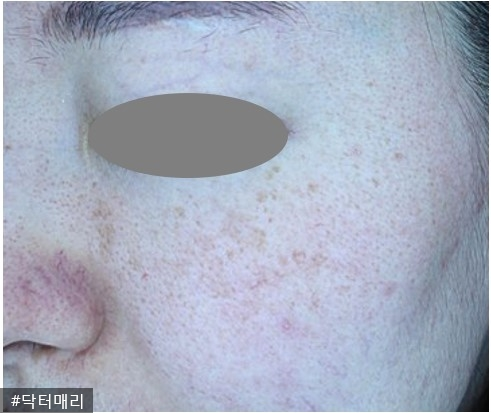
This bride-to-be visited consistently for nearly 2–3 months, following the planned treatment schedule.
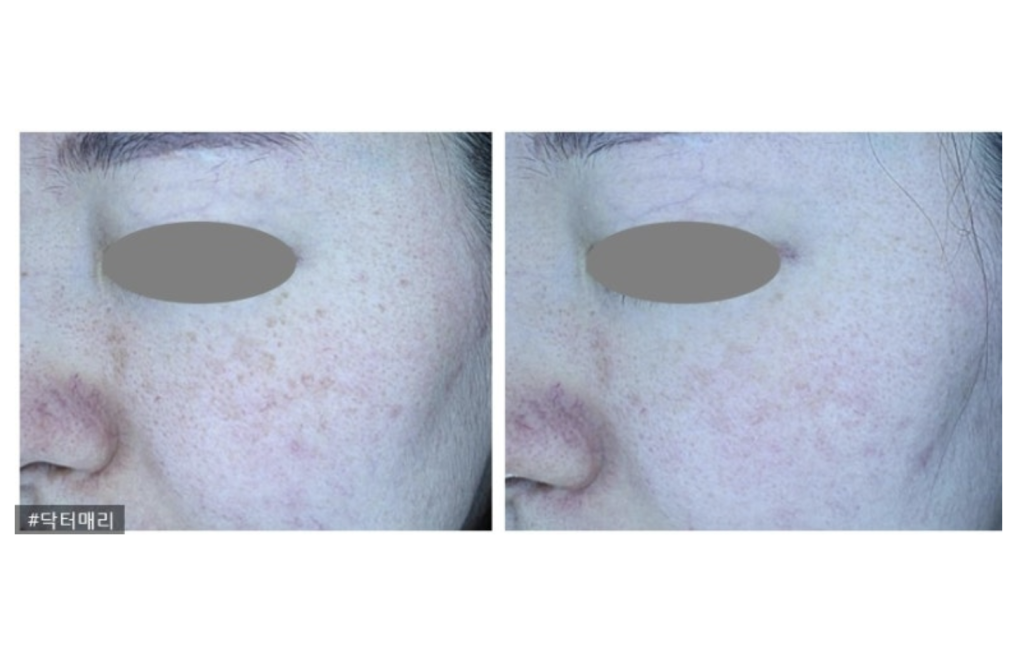
Before & After (Second Example)
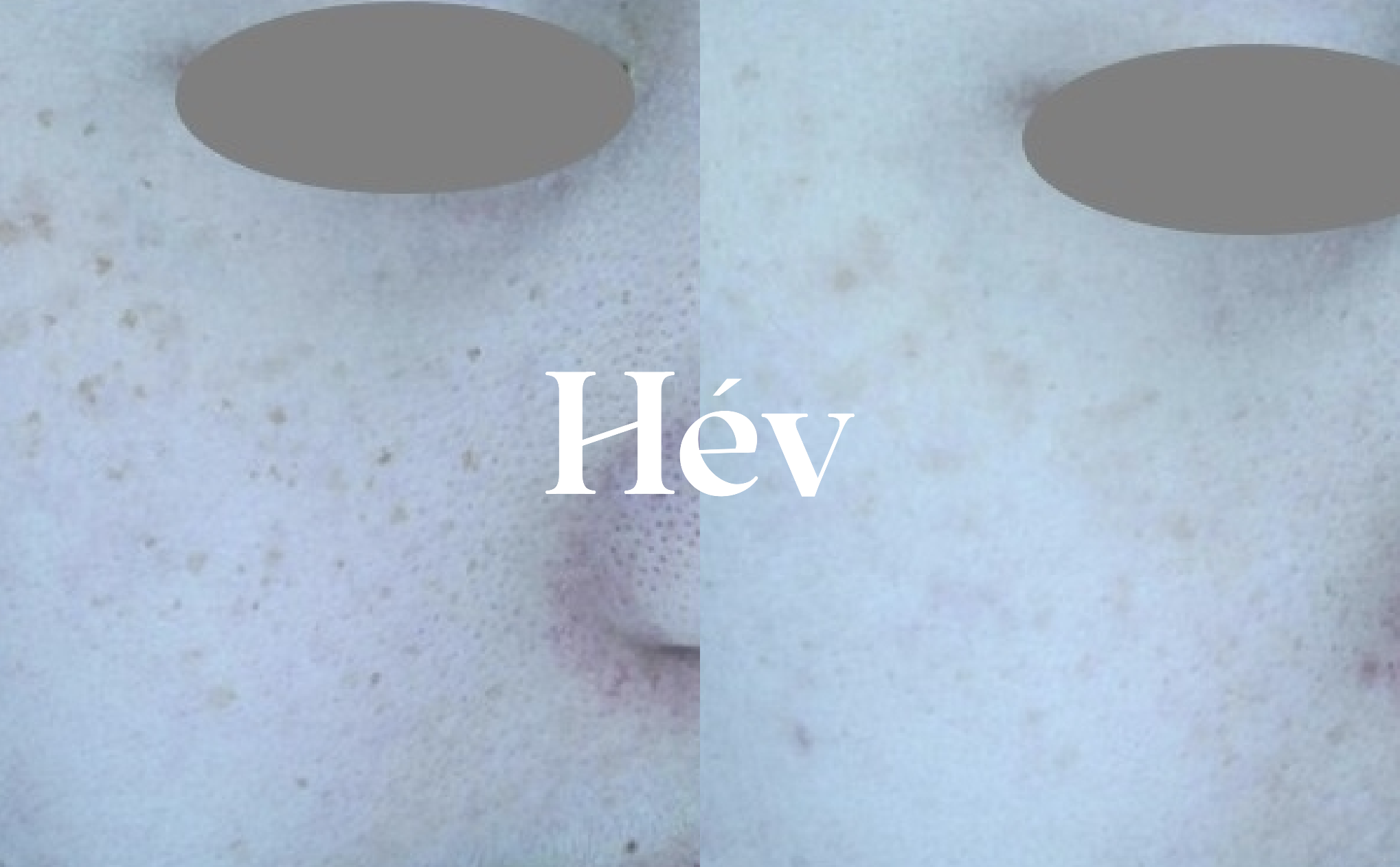
Before: 2024.06.04 – After: 2024.08.29
This photo was shared with consent and is an unedited, original image of the same person taken in the same location.
Results vary by individual. Please consult thoroughly in advance about possible side effects (including pigmentation changes, bruising, or swelling).
With consistent care, it became possible to go out bare-faced—without needing to cover dark spots with foundation or BB cream.
Even With Heavier Pigmentation
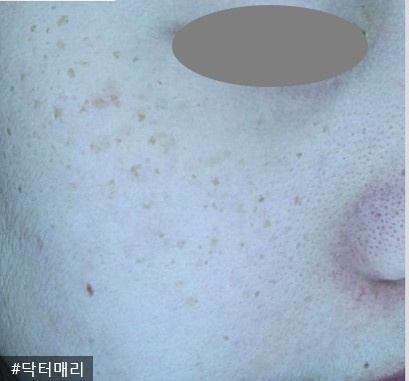
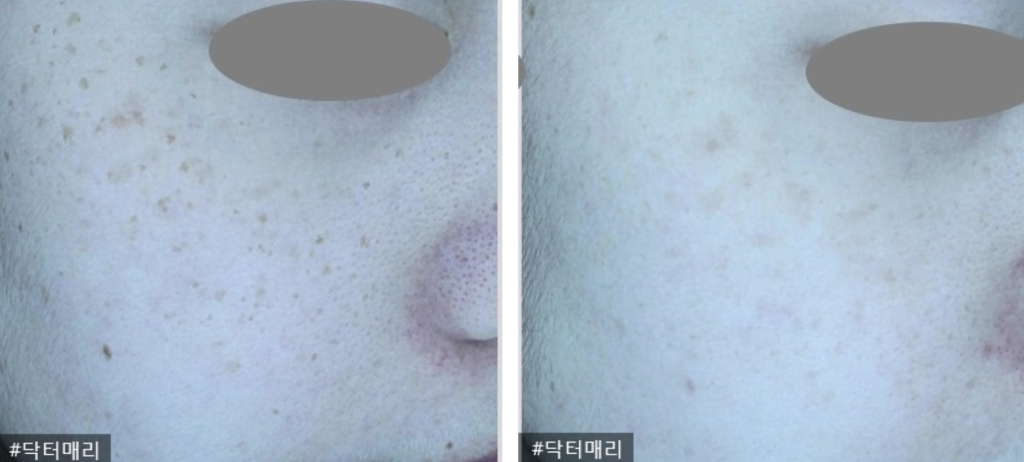
It can take a bit longer, but with the right approach, pigmentation can gradually fade and—depending on the type and depth—may eventually clear significantly.
Key Takeaway
Treating pigment-related concerns (including freckles and nevi) requires a combination of:
- An accurate diagnosis (because similar-looking spots can be completely different conditions)
- The right treatment plan tailored to the pigment type
- Experienced technique and careful energy settings
- Time and patience—steady progress is often the safest and most natural-looking path
Thank you.