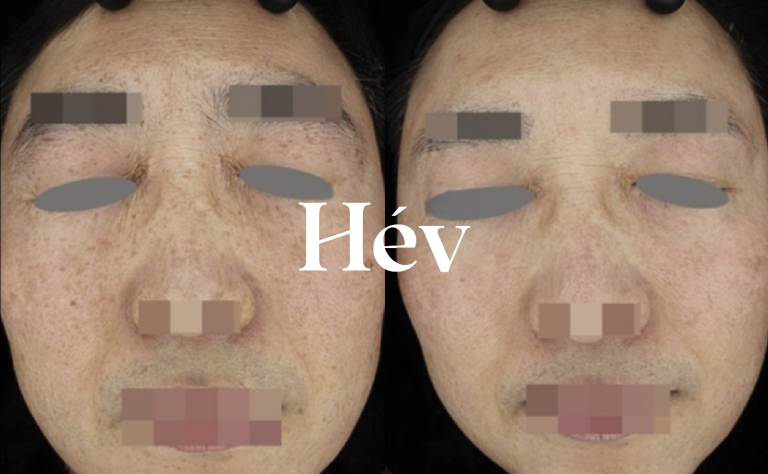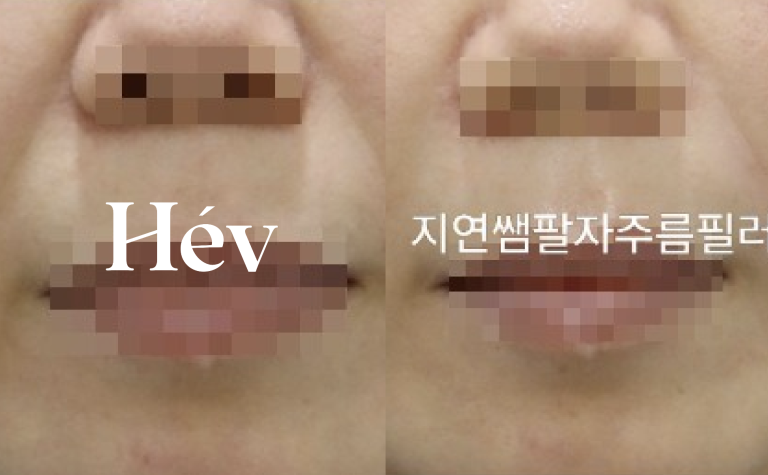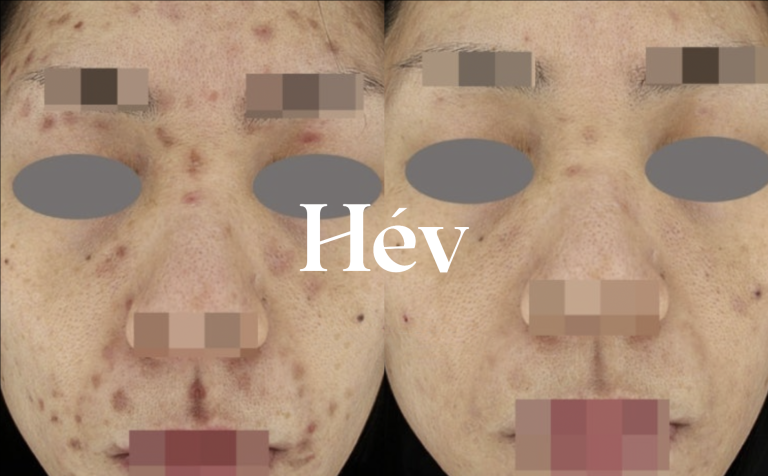
Acquired nevus, lentigines, melasma, and pigmentation treatment – 10 and 20 sessions, including Pico Toning, and their effects.
This post was written in accordance with the Medical Service Act and was created by a medical institution operated by a board-certified dermatologist at Hev Clinic, with the consent of the patient who received treatment.
It is not intended to emphasize treatment effects or personal treatment experiences, but rather to provide general information about dermatology and aesthetic procedures.
The photos used in this post meet the following conditions:
- The same individual appears in both the before and after photos.
- The dates when the photos were taken before and after treatment are specified.
- The photos were taken under the same conditions.
This post provides various medical information, including possible side effects that may occur from the procedure. In accordance with Article 56, Paragraph 2, Subparagraph 7 of the Medical Service Act, diagnoses and treatment results may vary depending on the individual, and both effects and side effects may differ from person to person.
※ This article was written directly by the director of Hev Clinic for the purpose of providing information about dermatologic and aesthetic procedures.
Today, I’d like to share the story of a patient who visited our clinic for her very first dermatology procedure.
Case 116: Woman in her early 40s.
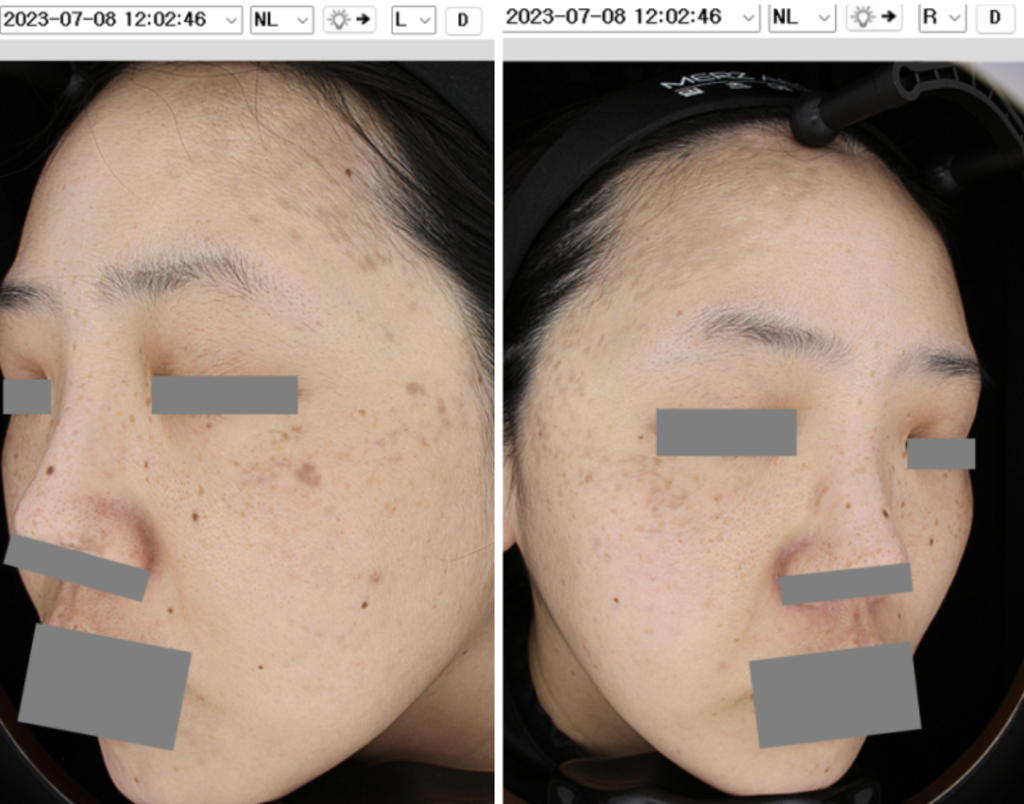
The patient visited for dark pigmentation on the face that had been present since after puberty.
She had previously thought it was melasma, freckles, or lentigines.
Upon examination, symmetrical dark pigmentation was observed across both sides of the forehead, hairline, temples, cheekbones, front cheeks, and tip of the nose.
We discussed the possibility of bilateral acquired nevus of Ota.
Whenever I see Ota nevus or lentigines, my first thought is:
These treatments take a very long time—how can I make the patient feel secure and trust the process, and show that our clinic is capable of achieving results as efficiently as possible?
It may sound very business-minded, but from the patient’s perspective, trusting a treatment plan that can take 20, 30, or even up to 50 sessions without knowing exactly when results will appear is extremely challenging.
What I want to emphasize is:
For these specialized pigmentation treatments, please make sure to go to a clinic experienced in nevus treatment.
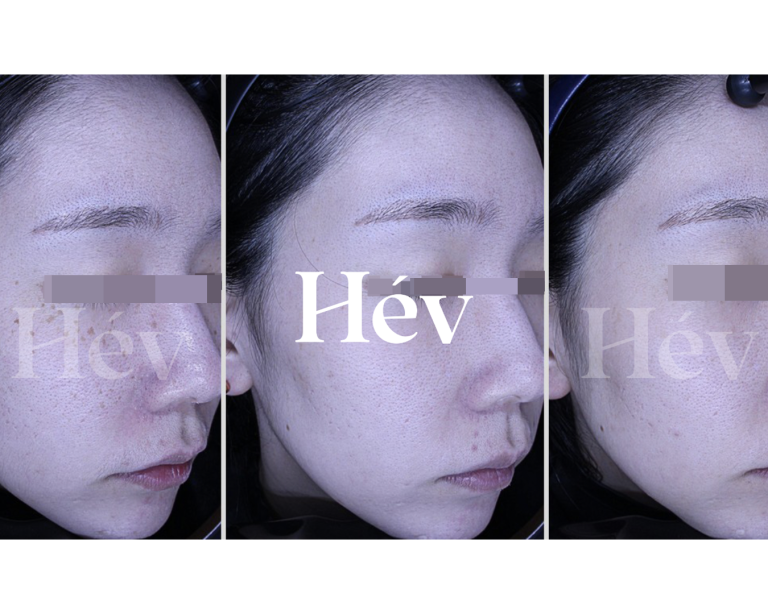
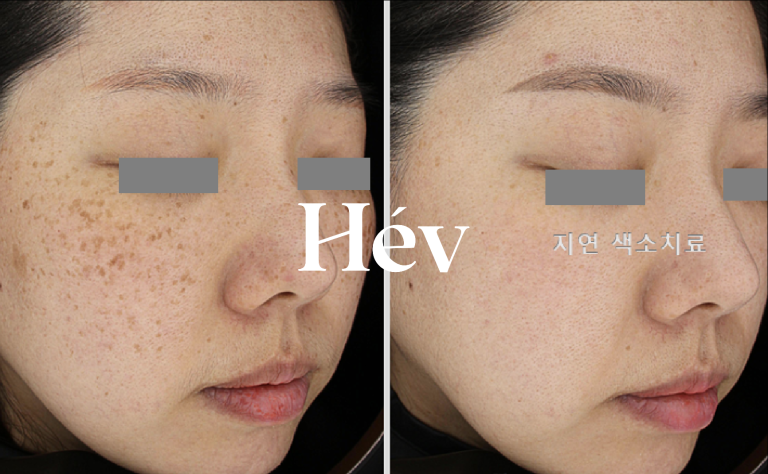
Customized pigmentation treatment for nevus – 20 sessions
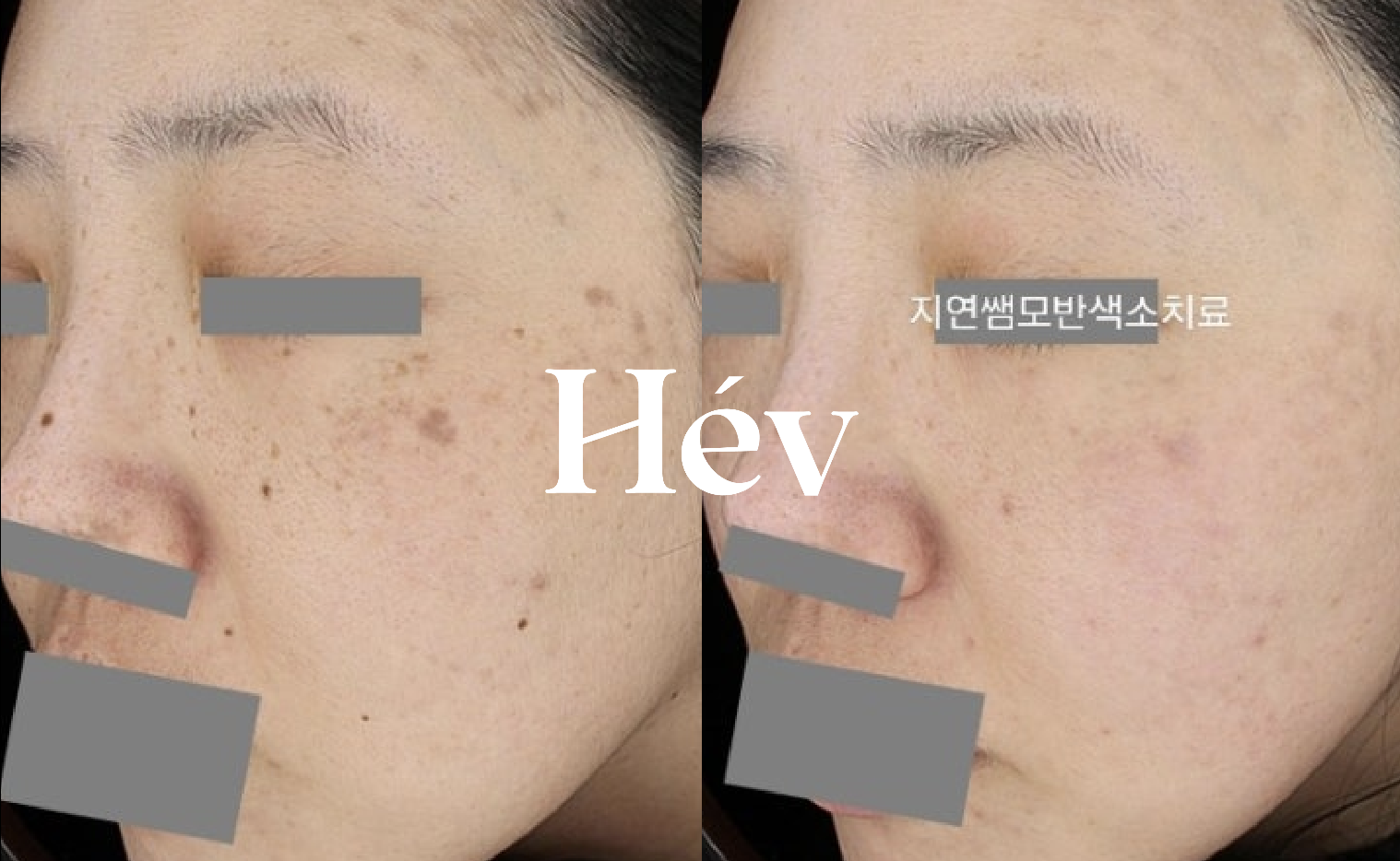
Before procedure vs. After procedure
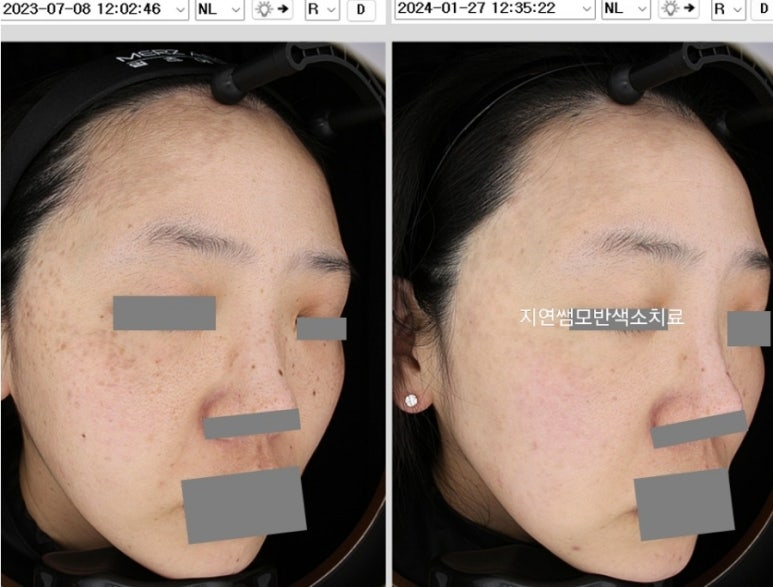
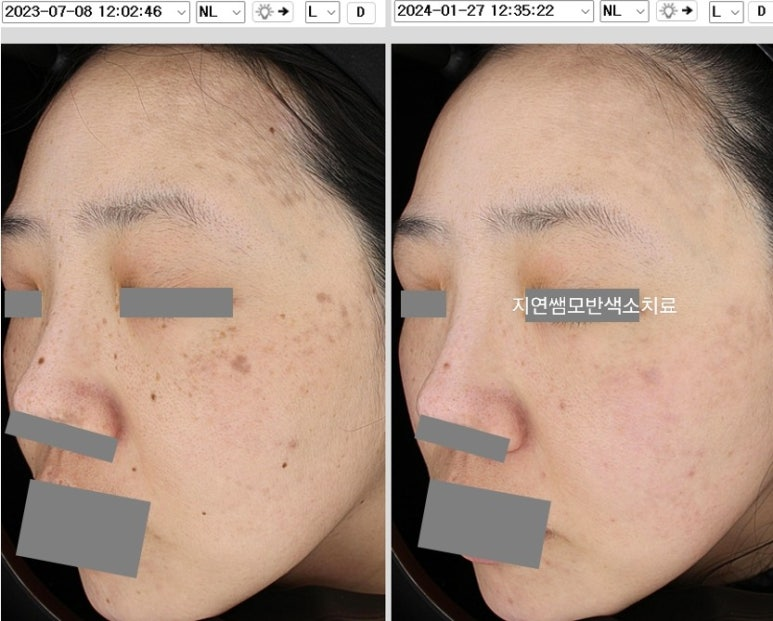
Before procedure: July 8, 2023 – After procedure: January 27, 2024
These photos were posted with consent and are the original images of the same person, taken at the same location without any edits.
The effects of any procedure may vary, and it’s important to have a thorough consultation beforehand regarding possible side effects (such as pigmentation, bruising, or swelling).
Customized pigmentation treatment for nevus – after 20 sessions.
In real life (not just in the photos), the results look like this.
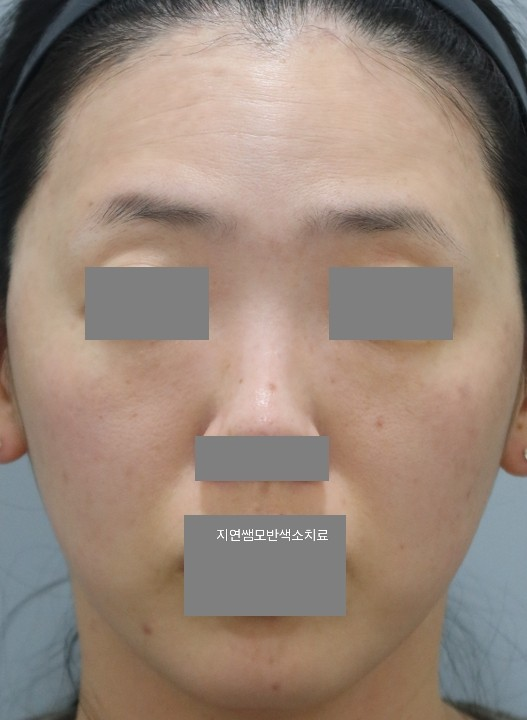
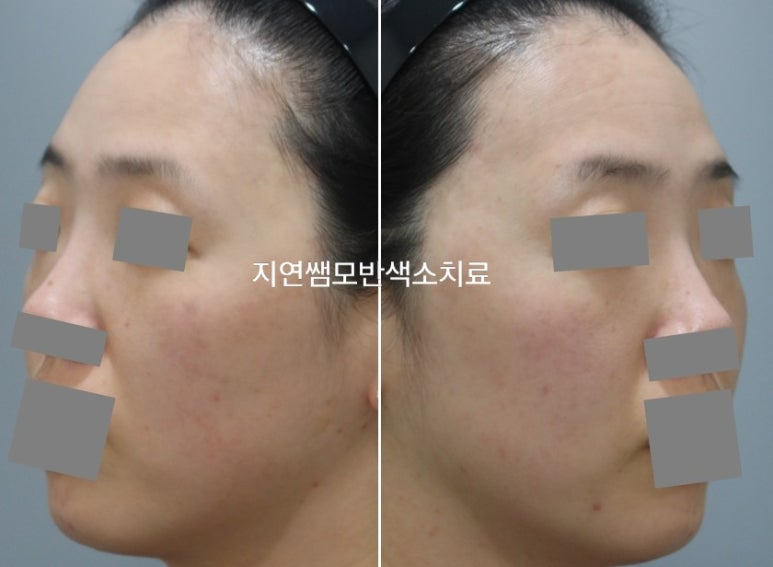
Visibly, it’s almost unnoticeable now.
In the actual photos, it’s not very obvious, but this patient’s skin around the face, eyes, and neck tends to get red and dry easily, and she had eczema, so we had to be very cautious with the laser treatments.
(This was a case prone to post-inflammatory hyperpigmentation – PIH.)
Recently, to prevent recurrence and maintain results, she began 10 more pigmentation treatments (her 30th session overall), planned once a month for a year.
Still, this was a type of nevus that responded relatively well!
Regarding pigmentation treatments, we always do our best in every case, but if a type of pigmentation naturally responds slowly or takes a long time, I always mention this to patients.
She’s truly lucky, and I feel grateful to have shared in that luck as well.
Thank you.
![[Full Face] Mid-face, nasolabial fold, and lateral cheek filler + Ultherapy, chin Botox, and jawline contouring](https://www.hevclinic.co/wp-content/uploads/2025/12/d5732c7421bb7-768x475.png)