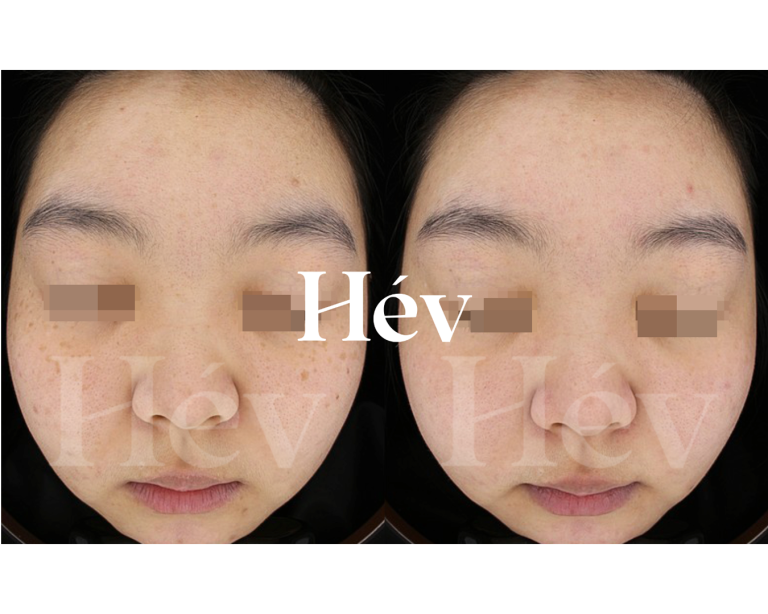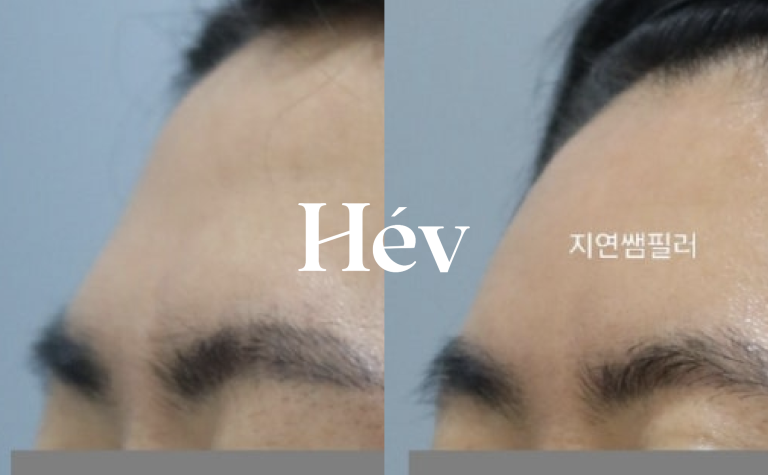
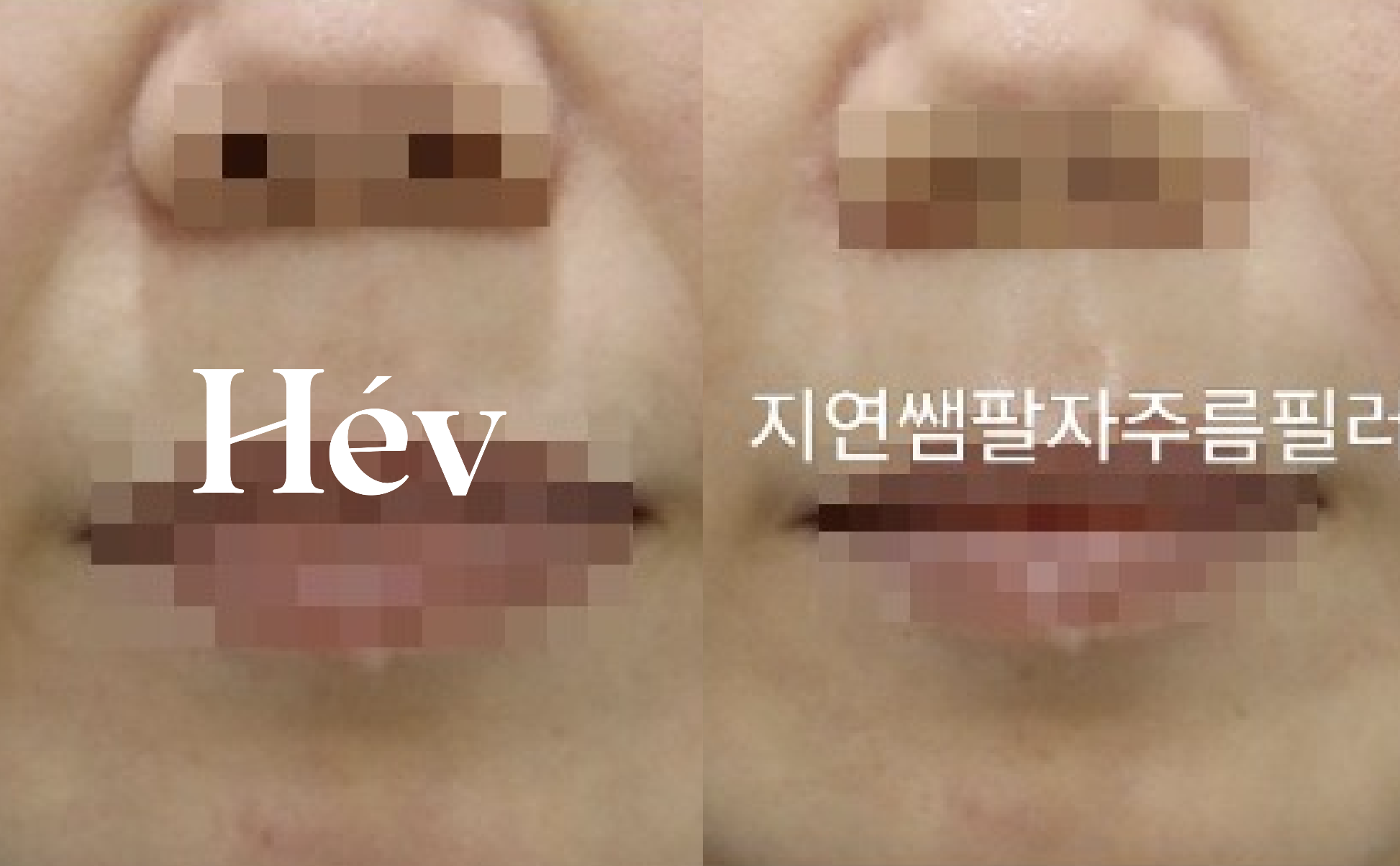
Filler for Smile Lines (2cc) Before & After at Hev Clinic, Korea
This post was written in accordance with the Medical Service Act and was created by a medical institution operated by a board-certified dermatologist at Hev Clinic, with the consent of the patient who received treatment.
It is not intended to emphasize treatment effects or personal treatment experiences, but rather to provide general information about dermatology and aesthetic procedures.
The photos used in this post meet the following conditions:
- The same individual appears in both the before and after photos.
- The dates when the photos were taken before and after treatment are specified.
- The photos were taken under the same conditions.
This post provides various medical information, including possible side effects that may occur from the procedure. In accordance with Article 56, Paragraph 2, Subparagraph 7 of the Medical Service Act, diagnoses and treatment results may vary depending on the individual, and both effects and side effects may differ from person to person.
※ This article was written directly by the director of Hev Clinic for the purpose of providing information about dermatologic and aesthetic procedures.
Today, I’m sharing a before-and-after look at nasolabial fold correction using dermal fillers. If you’ve been noticing deeper smile lines and want a smoother, refreshed look (without looking “overdone”), this is a helpful example.
Case: Female patient in her mid-40s.
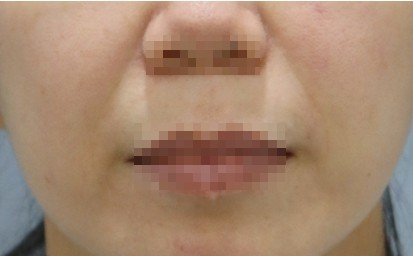
How Nasolabial Folds Are Corrected (Key Steps)
To improve nasolabial folds in a natural way, treatment typically focuses on two essentials:
- Support and firm the surrounding skin where mild sagging makes the folds look deeper.
- Softly fill the fold itself using fillers or collagen-stimulating injections when the line is etched in.
These two steps are the foundation of effective nasolabial fold treatment.
Before You Get Nasolabial Fold Fillers: Two Quick Reminders
- Don’t chase “more.” Overfilling can make the midface look heavy or puffy—natural balance is the goal.
- What worked for someone else may not be right for you. Your wrinkle pattern, facial structure, and skin thickness all matter, so treatment should be personalized.
For some people, Juvederm Voluma alone (adding support in the midface) can reduce the appearance of folds. In other cases, targeted filler in the fold is needed—and some patients benefit most from a combination approach such as Ulthera, laser treatments, or Botox.
Your friend may look great with a small amount of filler, and your neighbor may have improved with Voluma—but your nasolabial folds won’t be identical to theirs. The best results come from choosing the right method for your face.
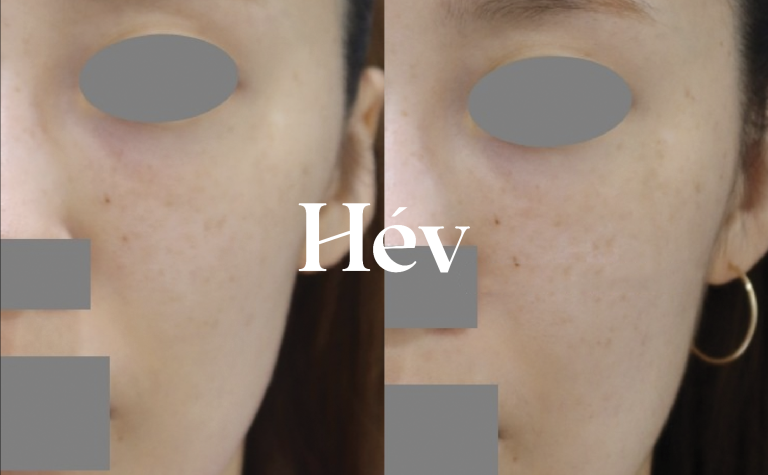
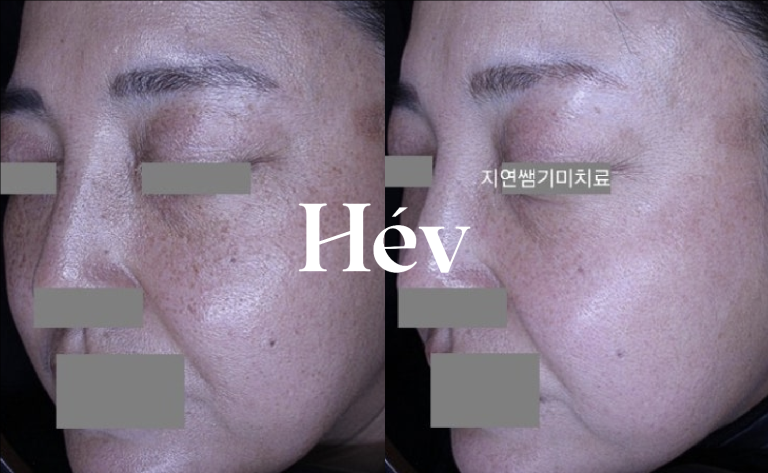
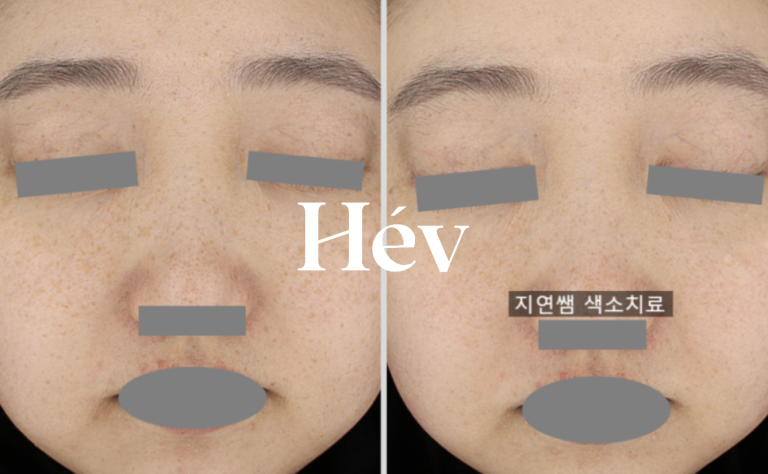
Before vs. Immediately After
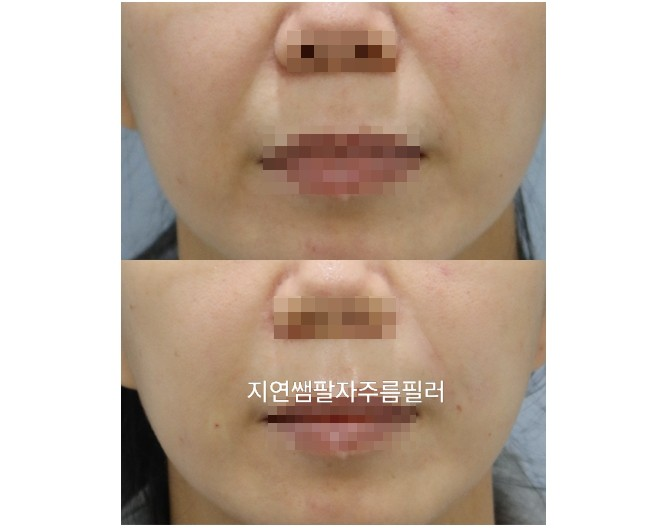
One of the biggest advantages of fillers is that you can usually see improvement right away—especially in how the fold softens and the overall face looks more rested.
That said, filler results are highly dependent on the injector’s technique and aesthetic sense. If you’re considering filler for a specific area, it’s smart to review before-and-after photos and choose a provider whose results match the look you want—whether that’s subtle refinement or more noticeable contouring.
Other Options for Nasolabial Fold Treatment
There isn’t just one way to treat smile lines—your best option depends on whether the main issue is volume loss, skin laxity, or muscle movement.
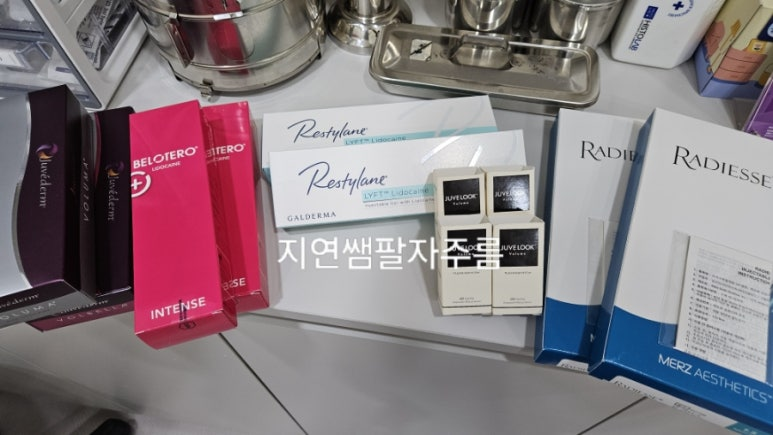
Depending on your needs, treatment may include fillers, Juvederm Voluma, Radiesse, Ulthera, laser treatments, and/or Botox.
When a clinic can offer multiple options, it’s often easier to create a plan that improves nasolabial folds more efficiently, with less discomfort, and with results that look more natural.
Thank you for reading.