Sculptra and Juvederm Voluma for Smile Lines – Post-Treatment Swelling Prevention at Hev Clinic
This post was written in accordance with the Medical Service Act and was created by a medical institution operated by a board-certified dermatologist at Hev Clinic, with the consent of the patient who received treatment.
It is not intended to emphasize treatment effects or personal treatment experiences, but rather to provide general information about dermatology and aesthetic procedures.
The photos used in this post meet the following conditions:
- The same individual appears in both the before and after photos.
- The dates when the photos were taken before and after treatment are specified.
- The photos were taken under the same conditions.
This post provides various medical information, including possible side effects that may occur from the procedure. In accordance with Article 56, Paragraph 2, Subparagraph 7 of the Medical Service Act, diagnoses and treatment results may vary depending on the individual, and both effects and side effects may differ from person to person.
※ This article was written directly by the director of Hev Clinic for the purpose of providing information about dermatologic and aesthetic procedures.
Today, I’m walking you through the Juvederm Voluma treatment process—step by step—so you can see how it’s injected, what the product looks like, and how post-treatment massage is done.
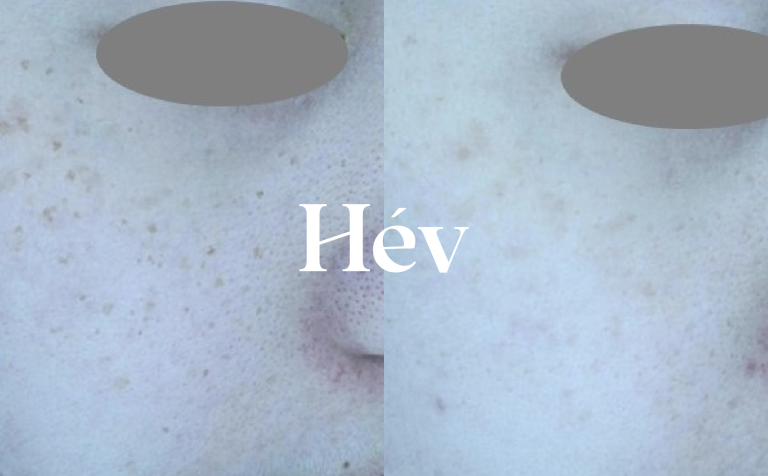
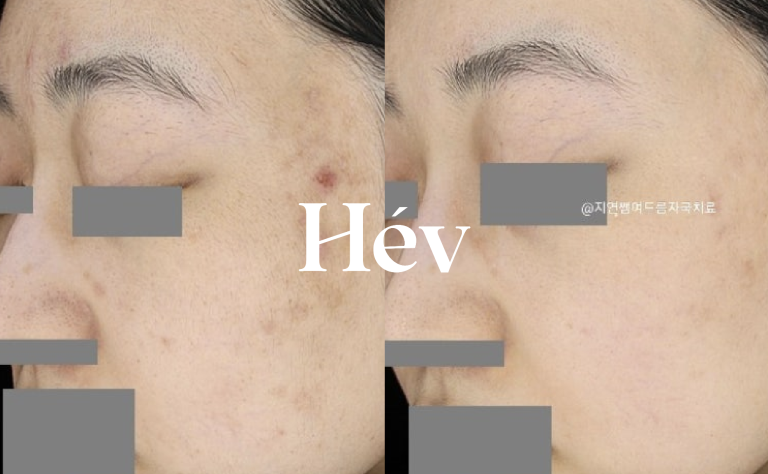
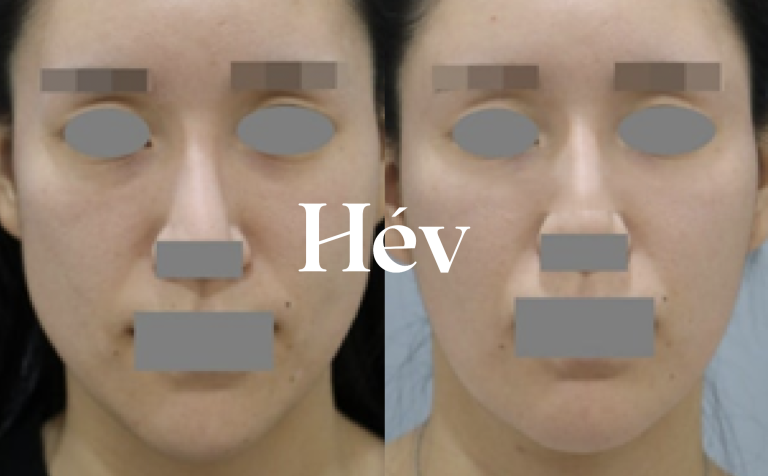
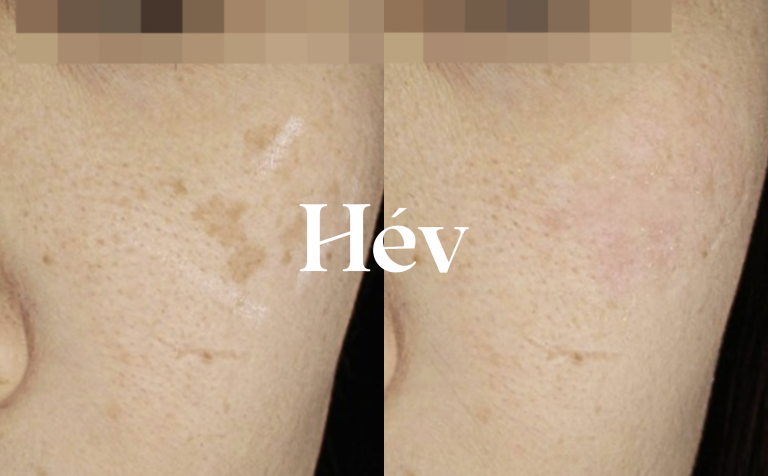
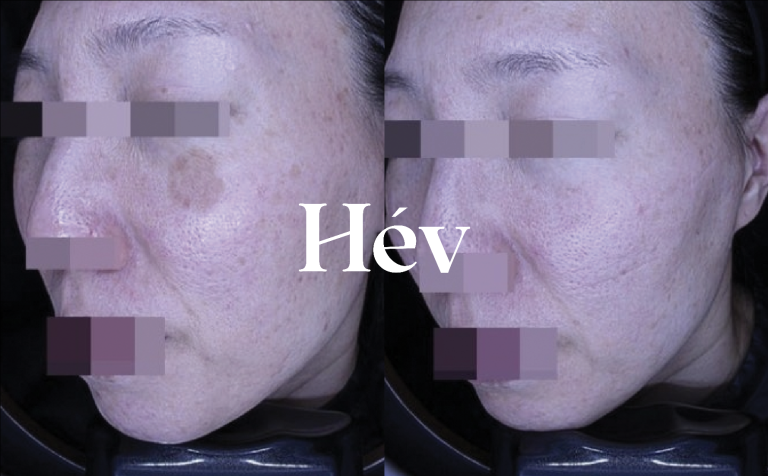
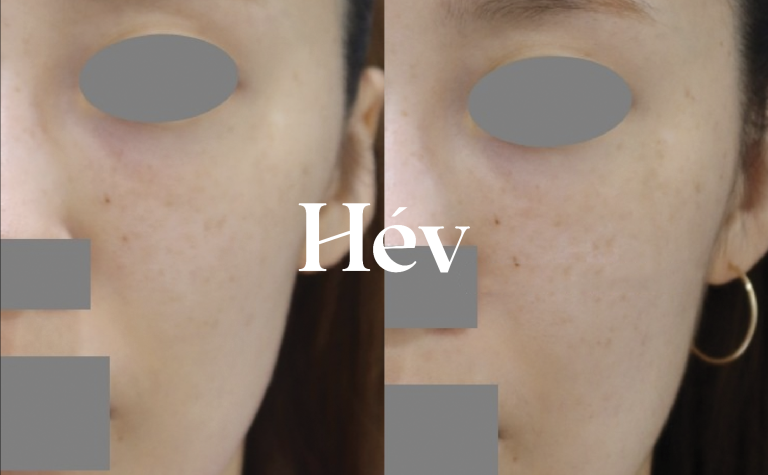
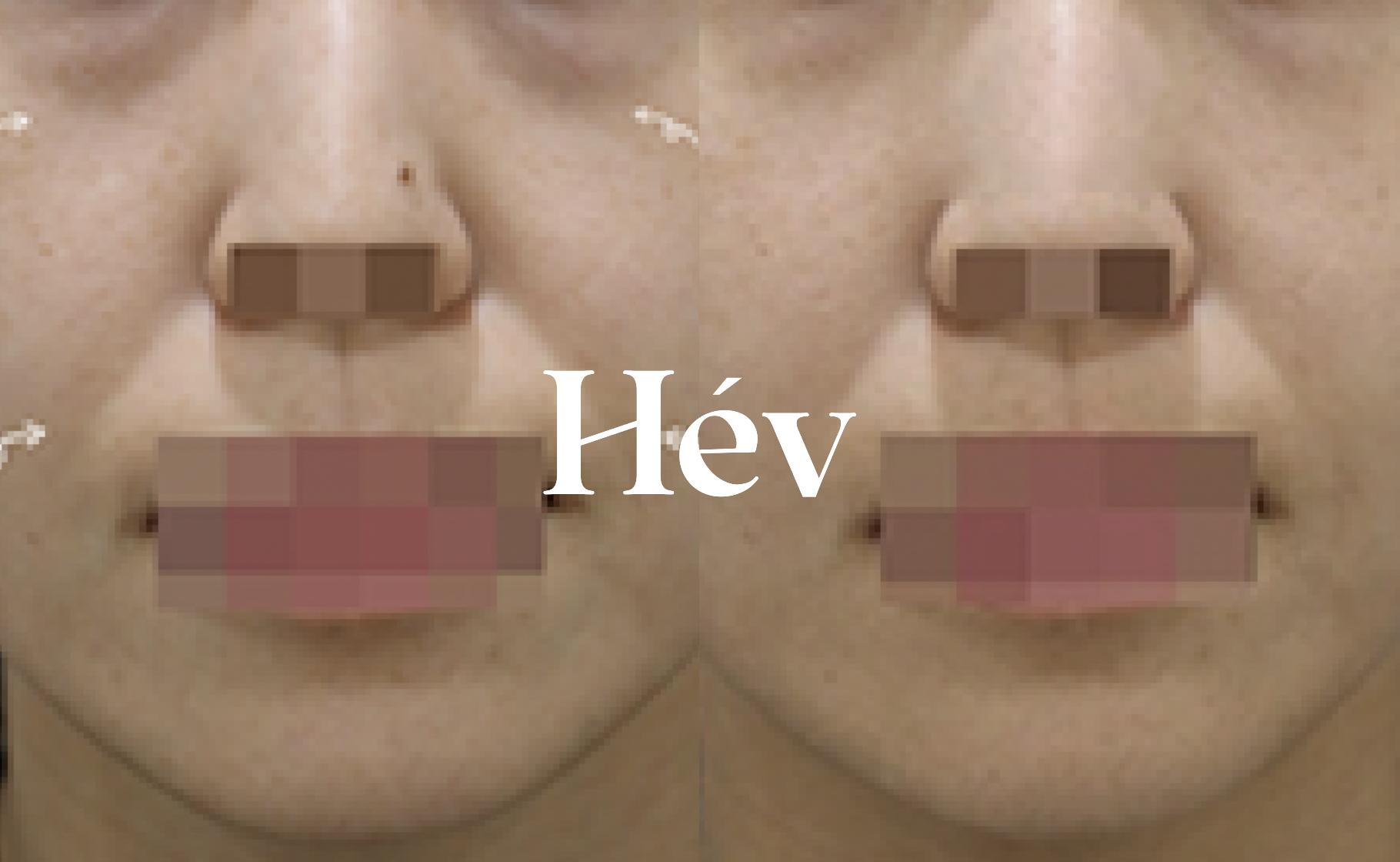
Before: 2024.08.20 | After: 2024.10.16
This photo was shared with consent. It’s the same person, photographed in the same location, with no editing.
Results can vary from person to person. Please have a thorough consultation in advance about possible side effects such as pigmentation, bruising, swelling, and more.
1) Juvederm Voluma is injected with a cannula
Juvederm Voluma is commonly injected using a cannula.
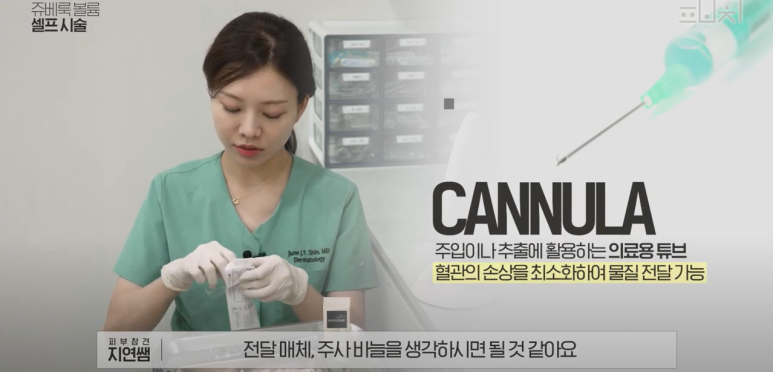
A cannula works like a “pathway” that can help reduce the risk of blood vessel injury.
When you see it in person, it’s surprisingly long—so it’s common to think:
“Wait… that long needle goes into the face?!”

It may look intimidating because of the length, but the cannula tip is designed to be gentle. In many cases, it can help minimize trauma—so even with contact, it often won’t cause bleeding like a sharp needle might.
2) What Juvederm Voluma is used for
Juvederm Voluma is used as a volumizing filler to enhance facial contours, improve curves, and restore volume in sunken areas.
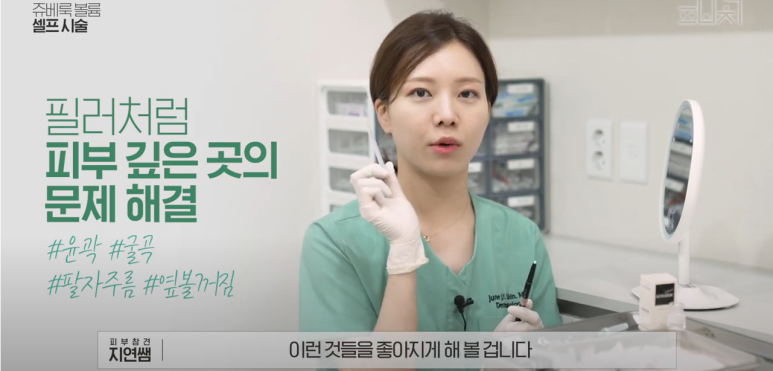
Juvederm Voluma also has a “twin” that’s often simply referred to as “Juvederm” (a different formulation).
That version typically has smaller particles and is used more superficially in the skin.

It’s commonly used for concerns like:
- Fine lines
- Visible pores
- Overall texture refinement
- Prevention of very shallow expression lines
It’s also well known for being helpful when done consistently for neck lines.
3) Juvederm Voluma has a fluid (gel-like) texture
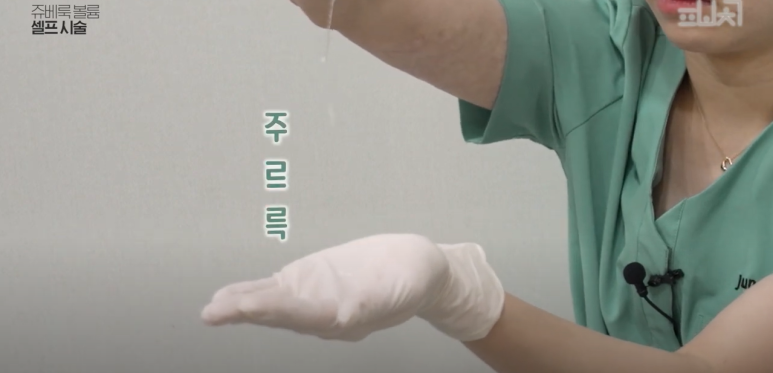
I’ve always wanted to show that Voluma has a fluid, gel-like texture—but every drop is valuable, so it’s not something we usually “demonstrate” casually.
This time, we used the photo shoot as a chance to show it clearly (yes, it felt a little like “wasting” it).
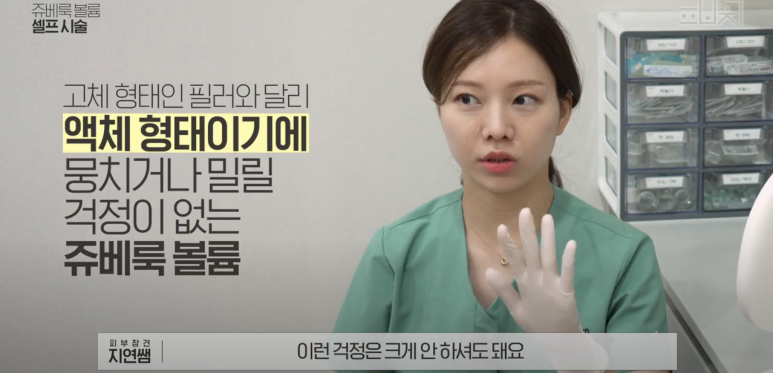
Important: Even though Voluma has a smooth, fluid texture, overfilling one area can still cause issues like lumps or unevenness. That’s why careful facial assessment, precise placement, and conservative dosing matter.
4) How to choose a clinic that does Voluma carefully (and well)
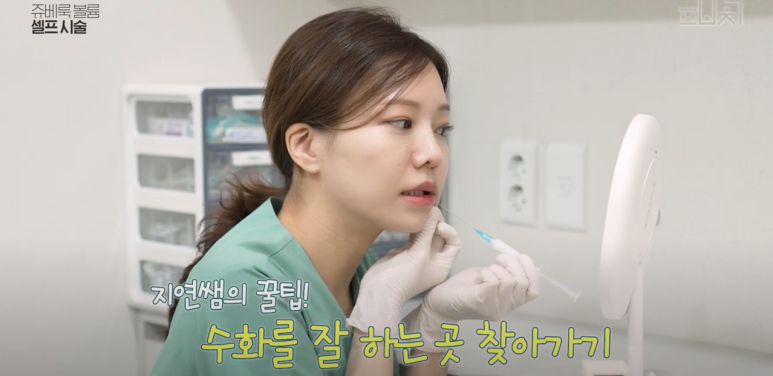
Honestly, it can be hard to tell whether a clinic truly performs Juvederm Voluma treatments well—unless you’ve seen how they work behind the scenes. Here are a few practical things to look for.
1) They manage hydration and preparation properly
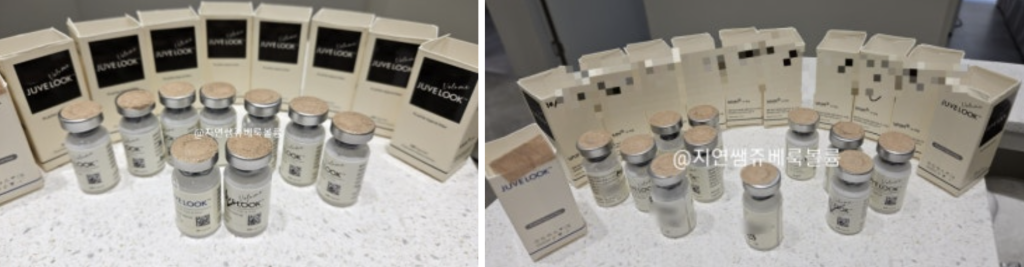
It’s not easy for patients to judge whether the product preparation and “hydration” process is being monitored carefully—but it can make a difference in consistency and outcomes.
At our clinic, both the physician and nursing team pay close attention throughout this step, and we make sure patients understand what’s being done and why.
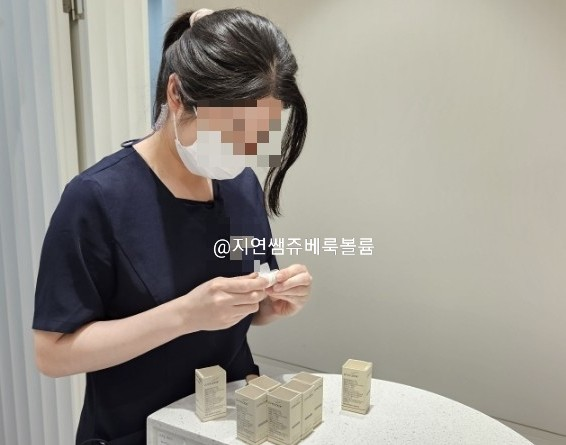
(Yes—there’s absolutely a “care time” and a “love-giving time.”)
2) They have plenty of real procedure experience
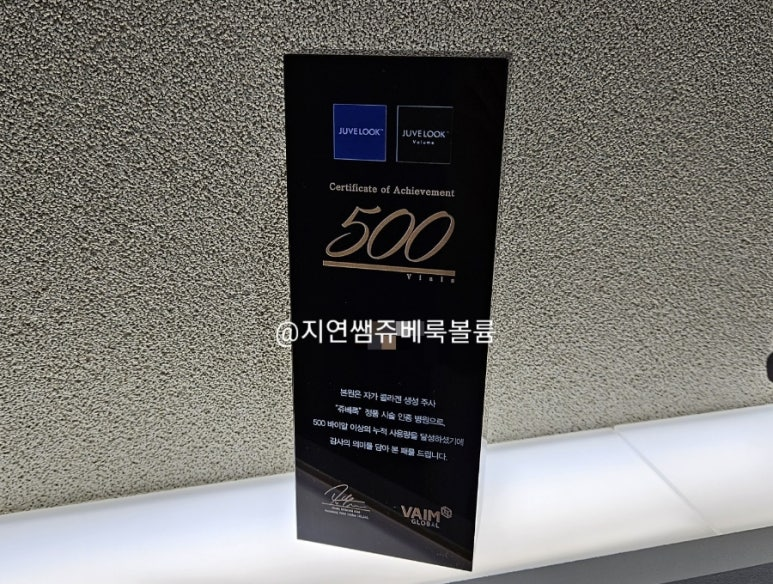
[Official Statement]
In Incheon, this is the second time—and in our district, it’s the first.
Across Paju, Gimpo, and Ilsan (the western region overall), it’s the first.
If you’ve visited our clinic for treatment or consultation, you may already know: we don’t operate like a “factory clinic,” and we don’t chase numbers by prioritizing quantity over quality. That’s why we consider this especially meaningful.
3) They can show a real portfolio (not sponsored content)
Right after treatment—without sponsored posts, promotions, or paid advertising—I consistently share real before-and-after cases from our patients (with consent).
Case 95: Focused on Nasolabial Folds & Mid-Face Volume
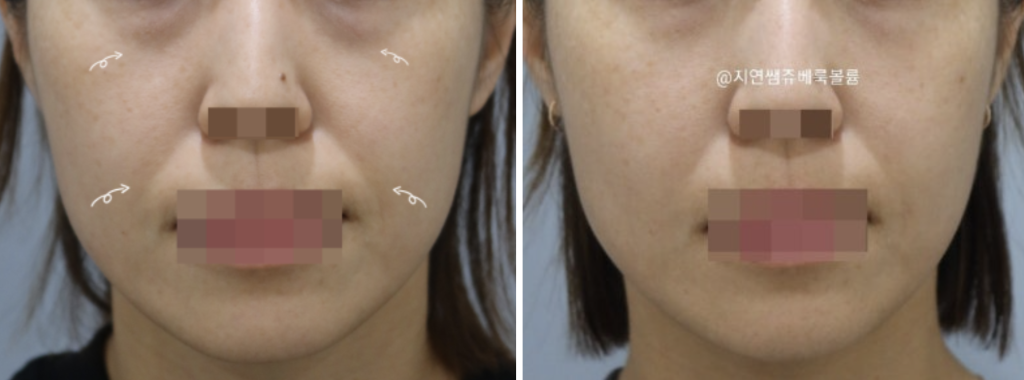
4) They also have a strong filler portfolio
Because Juvederm Voluma is more gel-like and subtle, the “final shape” may not look as immediately obvious as it does with traditional fillers. That can make the procedure feel easier on the practitioner—but in reality, results still depend on good design and precise placement.
As Voluma has become more popular, there are more clinics offering it than ever. The key is making sure the provider knows how to:
- Fill volume loss selectively (not everywhere)
- Avoid areas that shouldn’t be treated
- Create a clear, natural-looking before-and-after change
If you’re considering collagen-stimulating treatments like Juvederm Voluma or Sculptra, it’s smart to check whether the clinic is also highly skilled with filler technique. Clinics that are good at fillers usually do Voluma well, too.
5) Swelling right after the procedure
Immediately after treatment, it’s normal to look a bit puffy or slightly “out of it.”
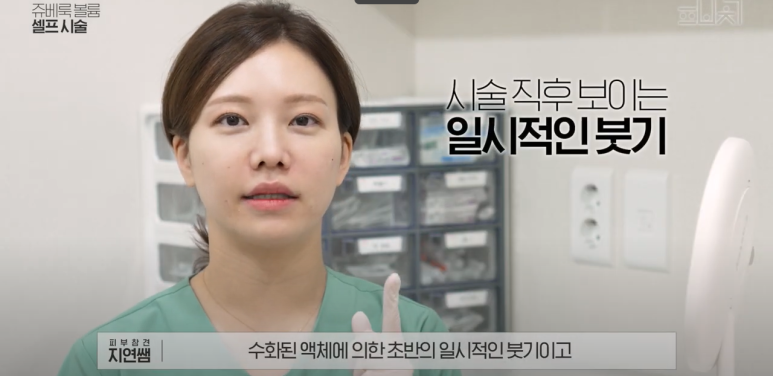
Swelling right after treatment—ta-da! For most people, swelling typically settles within about one week.
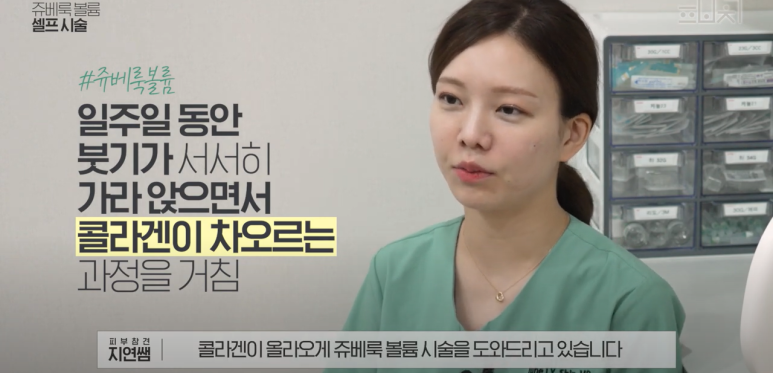
6) Juvederm Voluma & Sculptra: massage after collagen-stimulating treatments
Many patients ask: Do I need to massage after collagen injection procedures?
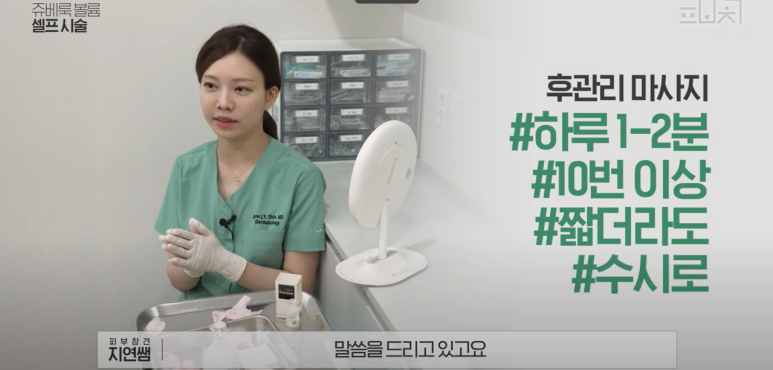
Because treatment techniques and injection areas vary by clinic and provider, the massage method shown here reflects my own protocol.
For the most accurate guidance, always follow the instructions from your treating physician and your clinic’s aftercare guidelines.
That said, many clinics explain a general 5-5-5 massage method.
In my case, the treated area can feel a bit sore afterward, so doing a full 5 minutes at once can be tough. (And with frequent check-ups and in-between treatments, I’m not always able to spend five uninterrupted minutes carefully massaging one area.)
Instead, I recommend short 1–2 minute sessions, repeated more often—about 10–20 times.
You don’t need strong pressure—a gentle, light shaking motion is usually enough.
Thank you.