Skin Brightening While Treating Pigmentation
Hello,
This is Hev Dermatology.
This post was written in accordance with the Medical Service Act and was created by a medical institution operated by a board-certified dermatologist at Hev Clinic, with the consent of the patient who received treatment.
It is not intended to emphasize treatment effects or personal treatment experiences, but rather to provide general information about dermatology and aesthetic procedures.
The photos used in this post meet the following conditions:
- The same individual appears in both the before and after photos.
- The dates when the photos were taken before and after treatment are specified.
- The photos were taken under the same conditions.
This post provides various medical information, including possible side effects that may occur from the procedure. In accordance with Article 56, Paragraph 2, Subparagraph 7 of the Medical Service Act, diagnoses and treatment results may vary depending on the individual, and both effects and side effects may differ from person to person.
※ This article was written directly by the director of Hev Clinic for the purpose of providing information about dermatologic and aesthetic procedures.
Today we’re talking about a topic I get asked about all the time: how to brighten overall radiance while treating pigmentation, dark spots, and melasma.
I’ll also explain why toning alone isn’t always enough—and why pairing pigment treatments with options like Rejuran, JuveLook, Potenza, and Oligio can make a noticeable difference in both results and satisfaction.
If you’ve read my previous posts, you already know how focused I am on treating pigmentation, dark spots, melasma, and mixed-type pigmentation.
In this post, I’m sharing key insights I’ve learned from performing pigment-removal treatments in real clinical settings—things I routinely explain during consultations, now organized in a blog-friendly way.
What are pigmentation lasers and toning treatments?
As the name suggests, pigmentation lasers are treatments designed to target and break down pigment. In other words, they focus on lightening pigment lesions like freckles, dark spots, and melasma.
Even just fading these visible spots can be very satisfying—and unfortunately, many people never receive truly proper pigment treatment (which is a shame).
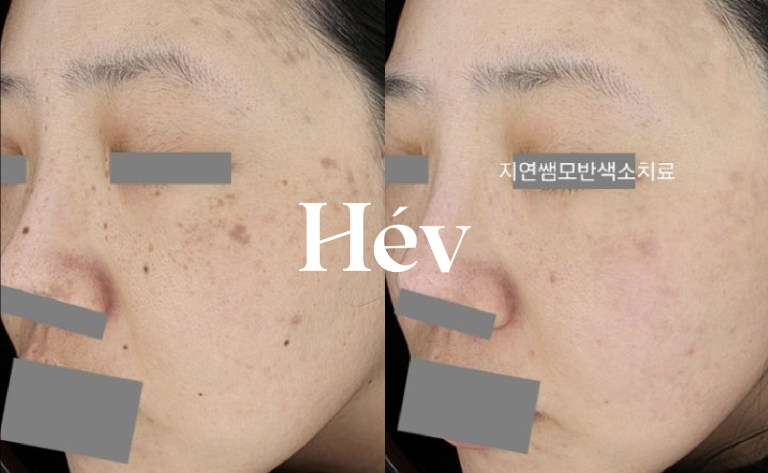
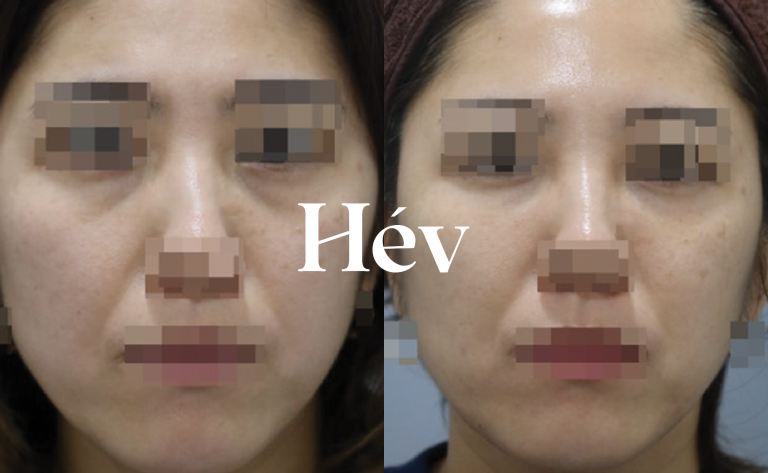
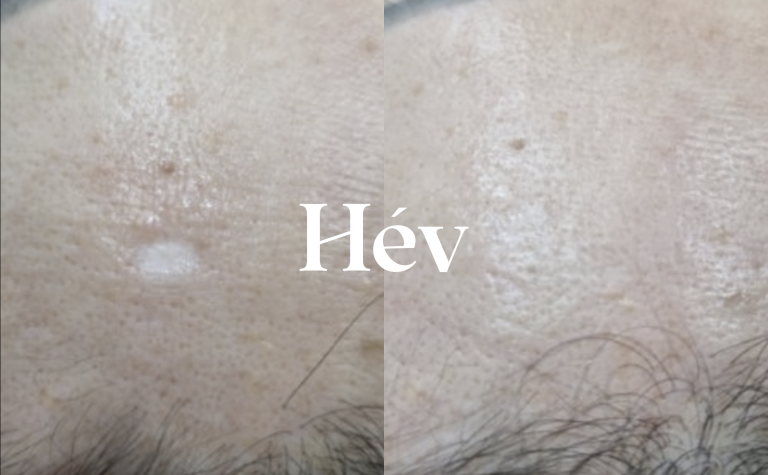
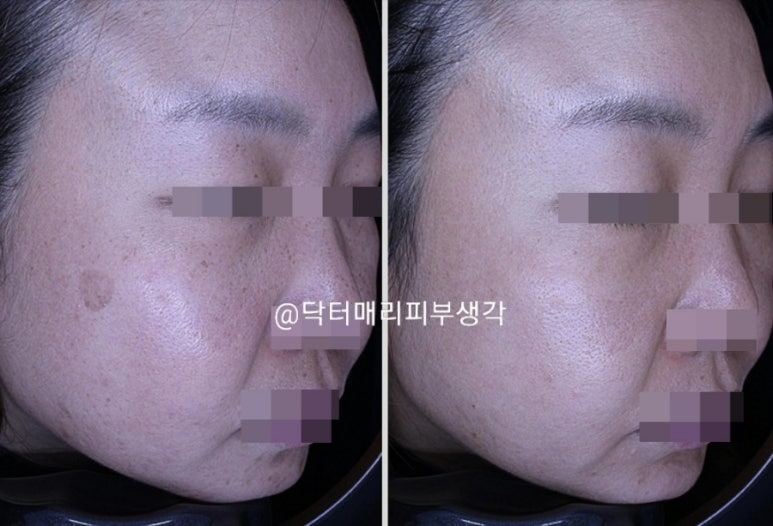
Case: Female in her 40s
- Dark spot removal + pigmentation laser treatment
- Dark spot removal + combined pigmentation laser
Even larger, deeper-looking pigmented spots like this can be treated and significantly lightened.
But here’s the important question: what does it mean when freckles, dark spots, or melasma appear in the first place?
Very often, these are signs that your skin is already experiencing aging-related changes. So even after pigment is improved with lasers or toning, many patients still say:
“My spots are better… but why doesn’t my skin look radiant? Why doesn’t it ‘glow’ the way I expected?”
Why pigment improvement doesn’t always equal “glow”
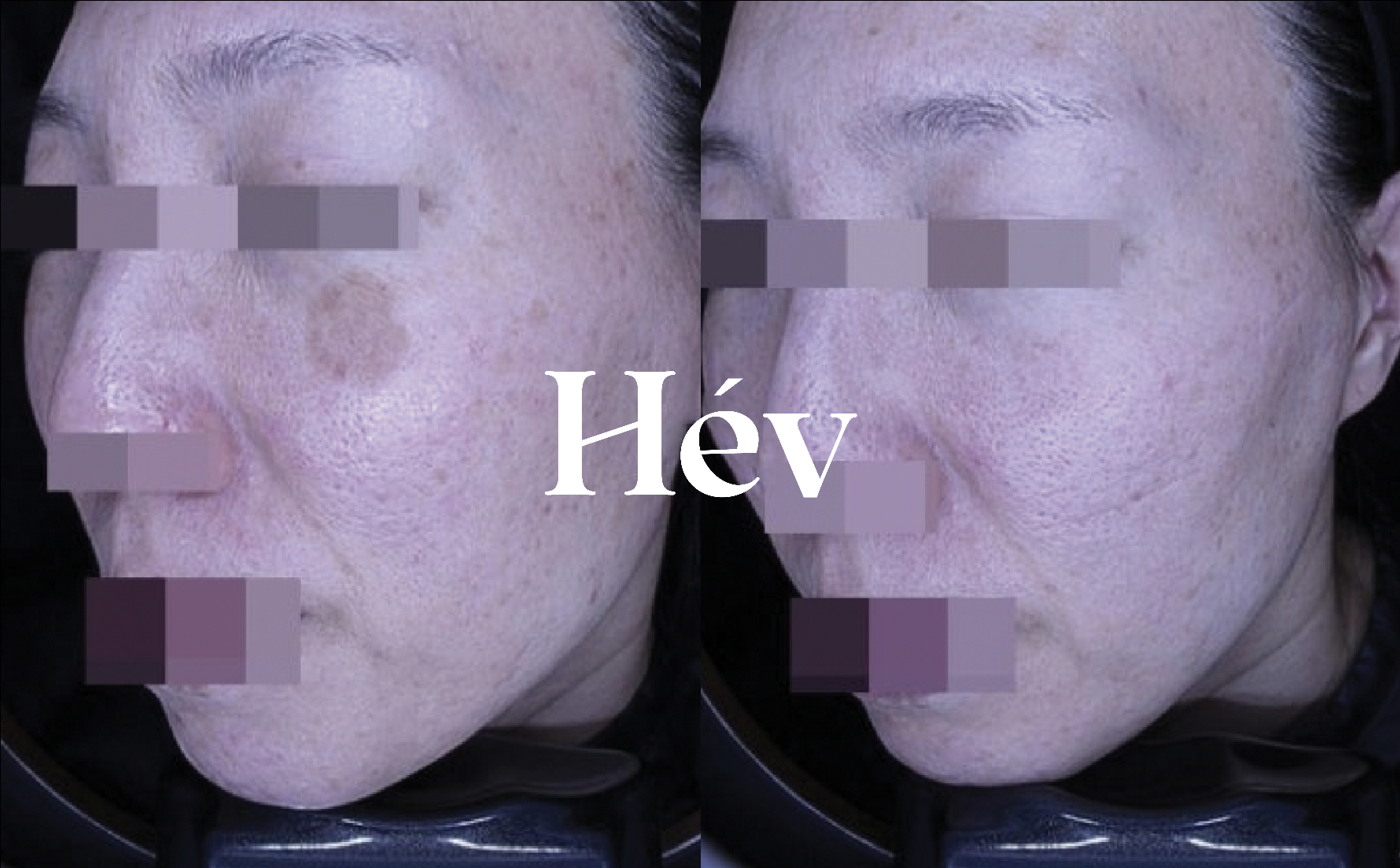
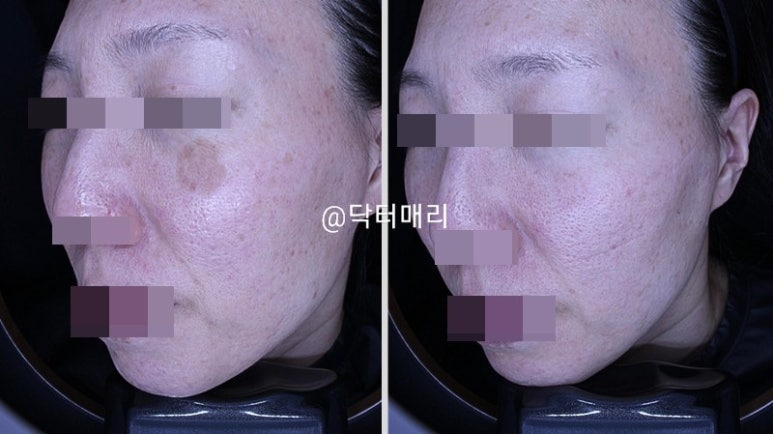
Case: Female in her 50s (Case 58)
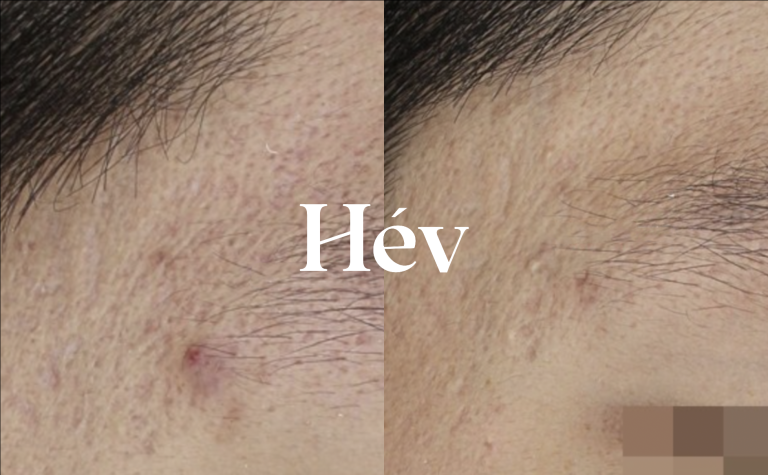
Before & after results after treatment for mixed-type pigmentation.
For pigmentation laser treatments, we use a device called MarkVu to compare before-and-after images. It offers several viewing modes; two of the most helpful are:
- Pigmentation mode (shows pigment more clearly)
- Glow mode (helps assess overall brightness and radiance)
[Pigmentation Mode – Before & After]
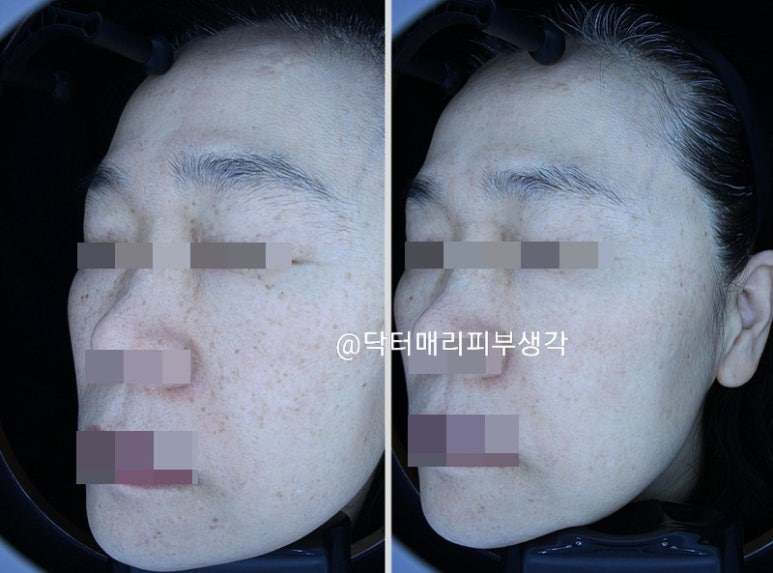
The scattered pigmentation is clearly reduced.
[Glow Mode – Before & After]
Now compare the skin’s “radiance” in Glow Mode.
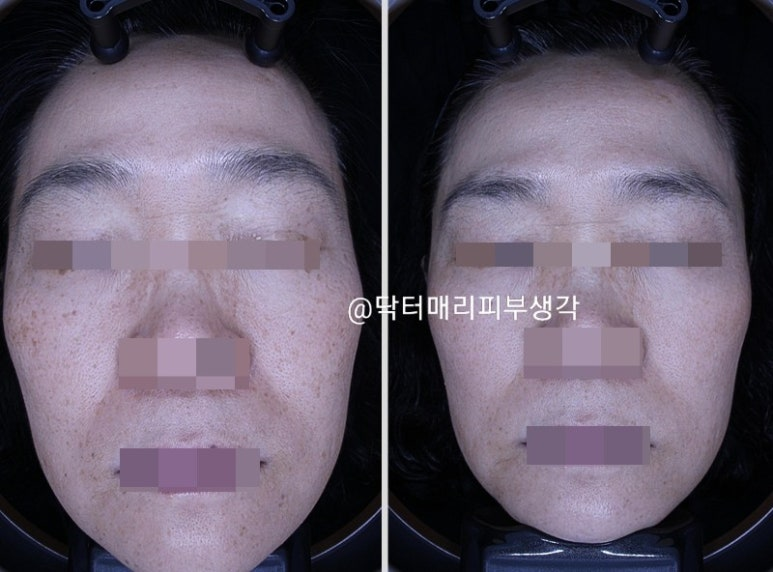
Even though the pigmentation improved, the Glow Mode shows that overall radiance hasn’t changed dramatically yet.
At this stage, most patients are still happy—because the spots are lighter. But the skin may not look “bright and bouncy” or visibly luminous.
The real reason: the “skin base” matters
Why does this happen?
If you have noticeable pigmentation (dark spots, freckles, melasma), your skin base often already shows aging changes.
Common features of aging skin include:
- Thinner skin
- Reduced elasticity
- A tired-looking appearance
- Dullness and uneven texture
On the other hand, healthy, youthful skin tends to look:
- Firm and plump
- Bright and naturally radiant
Key takeaway: Removing pigmentation is important—but it’s often not the whole story.
For truly glowing skin, you usually need to combine pigment lasers with treatments that strengthen the skin base and improve elasticity. This combination is what tends to create the biggest jump in satisfaction.
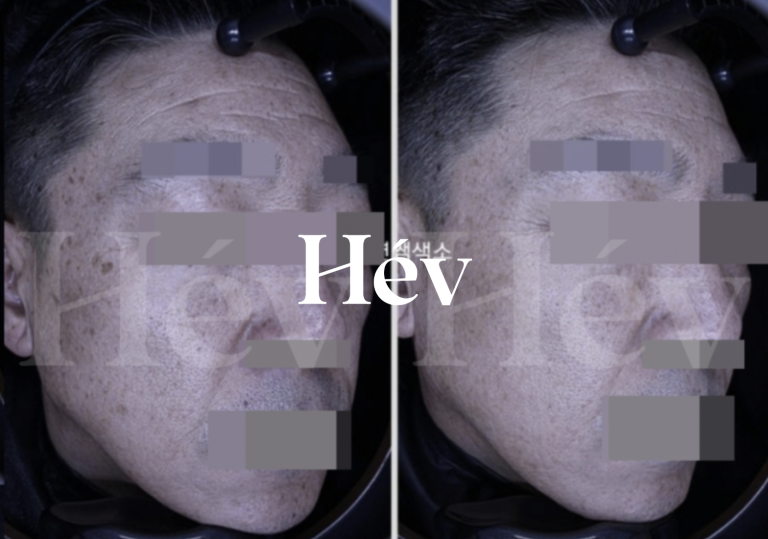
Case: Male in his 40s
- Pigmentation laser + glow-enhancing treatment
[Pigmentation Mode – Before & After]
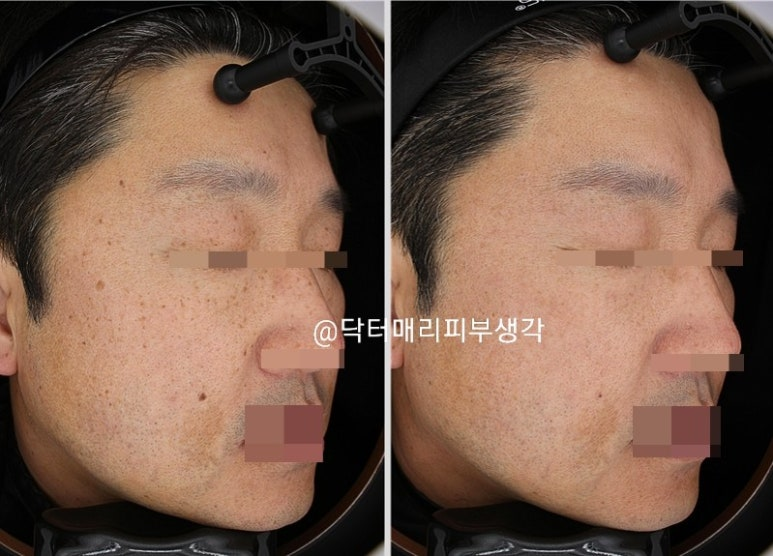
In Pigmentation Mode, you can see the pigment reduction clearly.
[Glow Mode – Before & After]
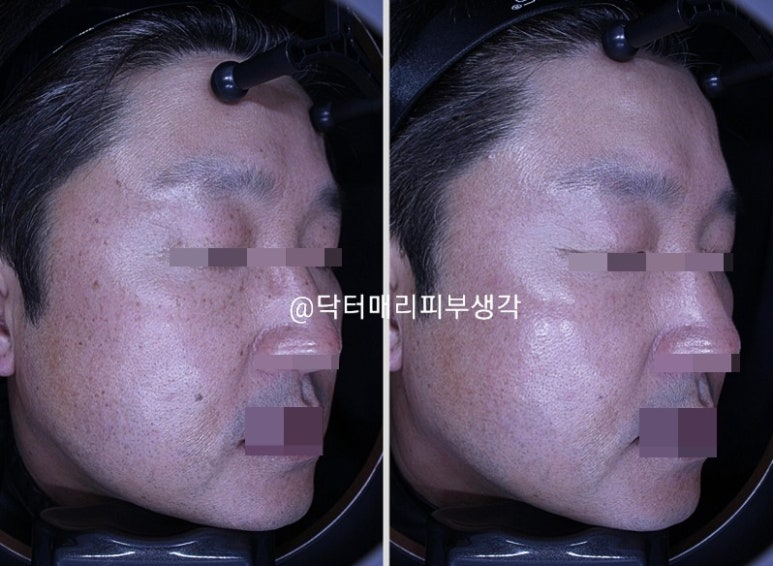
In Glow Mode, the difference is much more obvious: the skin looks brighter, healthier, and more lively overall—not just “less pigmented.”
When the skin quality improves along with pigment, that natural glow starts to show—and overall satisfaction typically increases a lot.
Case: Female in her 40s (Case 60)
Treatment: Dark spot removal + combined pigmentation laser + glow enhancement
[Glow Mode – Before & After]
As in the previous case, pigmentation improvement alone is often not enough. When the skin becomes healthier and stronger, you begin to see that so-called “inner glow”—skin that looks visibly brighter and more radiant.
How do you enhance glow?
If your skin has become thinner, weaker, or duller with age, glow usually comes from treatments that help the skin become firmer, more hydrated, and more resilient.
Step 1: Skin boosters / Skin Botox
One simple and effective option is skin boosters (and in some cases, skin Botox). These injectable treatments help support the skin from within, improving overall texture and the “healthy glow” look.
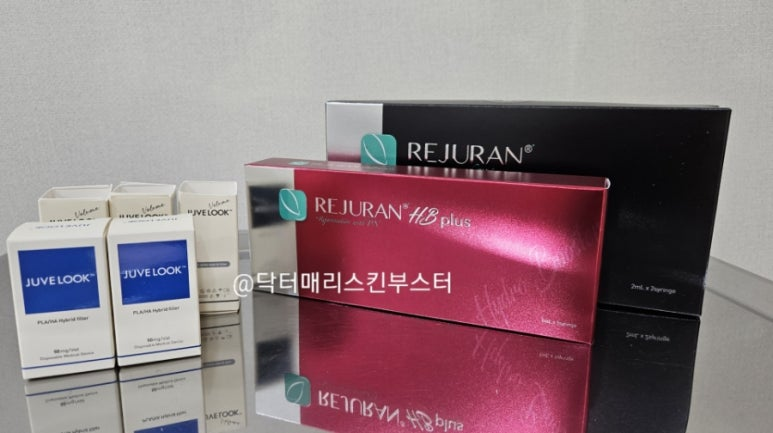
Many patients already know that skin boosters such as Rejuran and JuveLook can stimulate collagen regeneration in the dermis. This often helps with deeper dehydration (intrinsic dryness) and fine lines. Typically, these treatments are done periodically as a series for best results.
Step 2: Combine boosters with energy-based treatments for synergy
To maximize results, we often combine the benefits of boosters with the added power of laser or RF-based treatments—so you can improve skin texture and support anti-aging changes in the same overall plan.
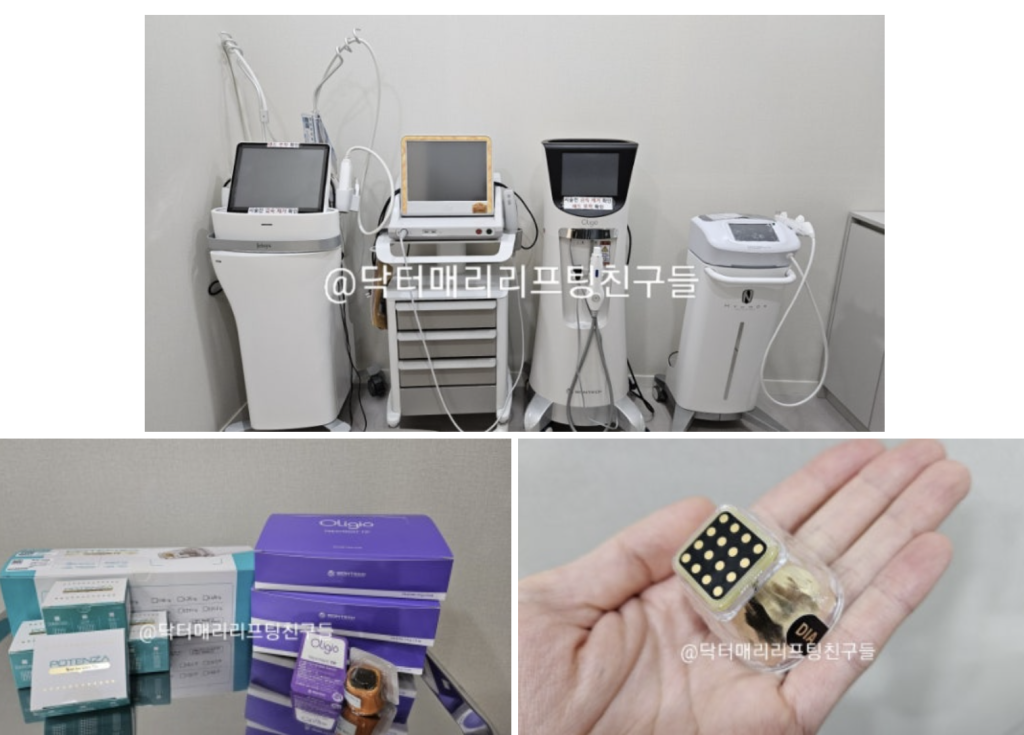
For example, combining skin boosters (Rejuran, JuveLook) with radiofrequency devices like Potenza or Oligio can help address texture and hydration from the booster and deliver firming/anti-aging benefits from RF—often with stronger overall improvement than doing either one alone.
If you’re concerned about visible injection marks, treatments like HydraFacial can also help refine the skin and boost glow with minimal downtime.
Bonus: Why a redness (vascular) laser may be necessary
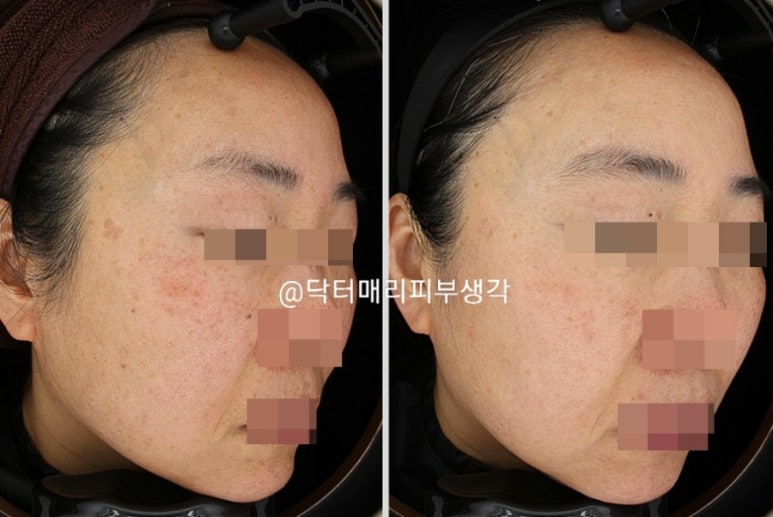
When facial redness is present, it can make pigmentation look darker and the overall tone look more uneven. In these cases, we often recommend treating both pigment and underlying redness to create a clearer, more even, and more radiant complexion.
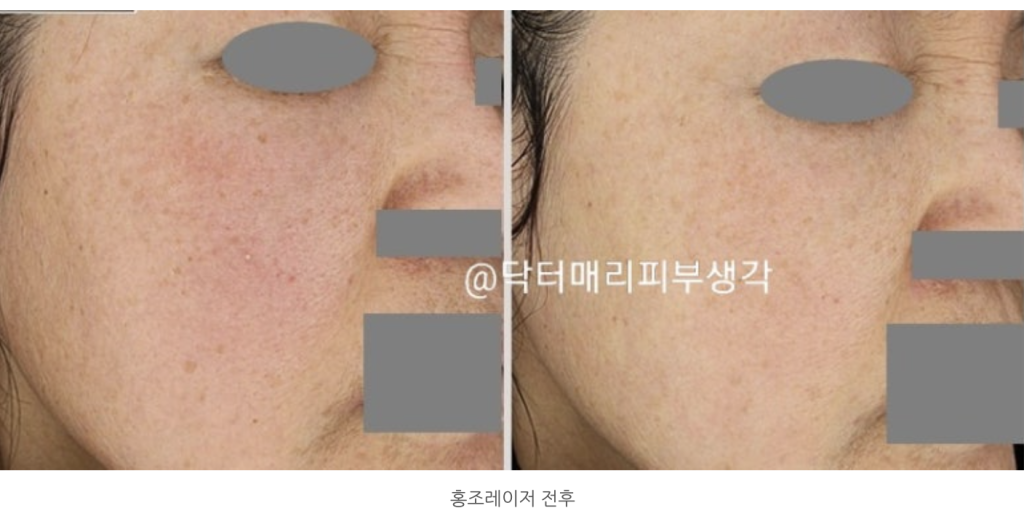
Case: Female in her 40s–50s
Why a redness laser was recommended: Because facial redness can visually “amplify” pigmentation, addressing both concerns often leads to a much more even, brighter-looking result.
[Before & After – Pigmentation Mode]
[Before & After – Glow Mode]
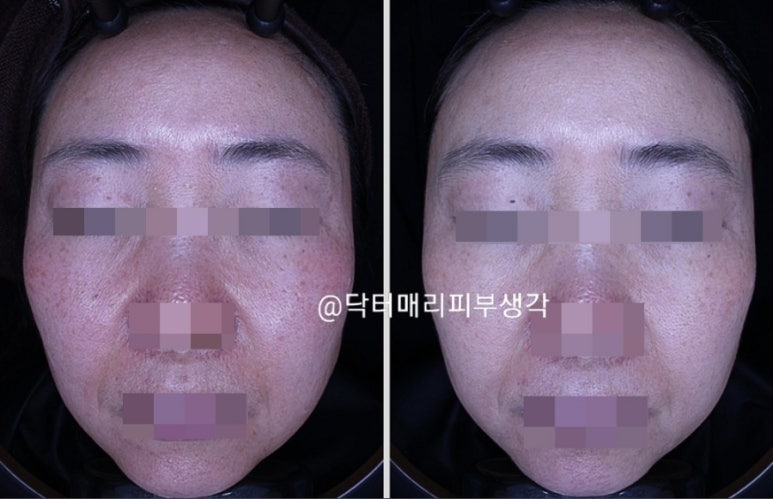
In Glow Mode, you can see how strongly redness affects the overall impression of the skin. Of course, removing pigmentation properly isn’t easy—but it’s also unfortunate how many people go through countless “toning” sessions without a clear plan or meaningful improvement.
If you’re considering pigment treatment, I recommend choosing a clinic that doesn’t just focus on “lightening color,” but also pays close attention to skin quality, strength, and long-term radiance. Thank you.