Ultherapy vs Thermage FLX in Korea: Which Non-Surgical Lifting Treatment Is Best for Medical Tourists?
For medical travelers considering non-surgical facial rejuvenation in Korea, the many available treatments can feel overwhelming. Ultherapy and Thermage are both popular energy-based procedures, but they work at different skin depths and are designed to address different signs of aging.
In simple terms:
- Concerned about sagging facial contours or deeper wrinkles? → Ultherapy
- Concerned about thin, loose skin or fine lines? → Thermage FLX
- Concerned about both sagging and reduced skin elasticity? → Ulthermage, a customized combination approach
The most suitable treatment depends on your skin thickness, degree of laxity, facial fat distribution, and aesthetic goals.
Ultherapy: Supporting Facial Contours From Deeper Layers
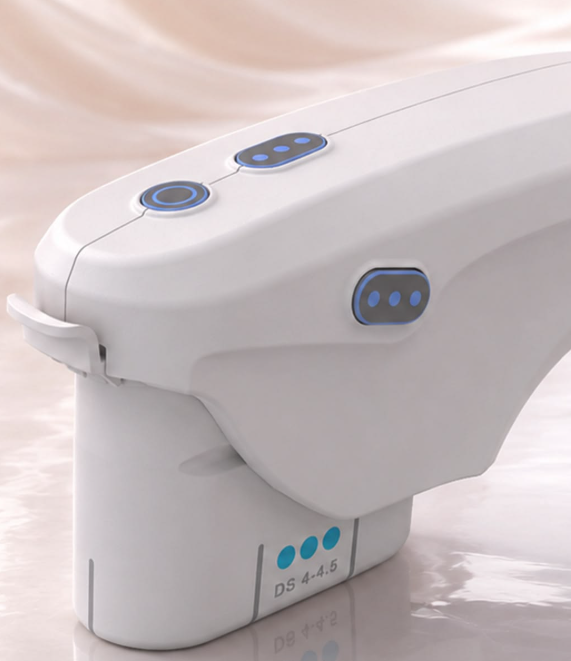
Ultherapy is designed to address laxity in the deeper structural layers of the face. It uses High-Intensity Focused Ultrasound (HIFU) to deliver focused energy below the skin’s surface.

How It Works
Ultherapy targets the deeper connective tissue layers, including the SMAS area, which is also considered in surgical facelift procedures. Focused ultrasound energy creates thermal coagulation points at selected depths, supporting collagen remodeling and gradual tissue tightening.
What Ultherapy May Help Address
Ultherapy may be recommended for patients experiencing:
- Mild to moderate facial sagging
- Reduced jawline definition
- Drooping around the cheeks or lower face
- Brow laxity
- Neck skin laxity
- Deepening facial folds associated with tissue descent
A Key Feature: Real-Time Ultrasound Visualization
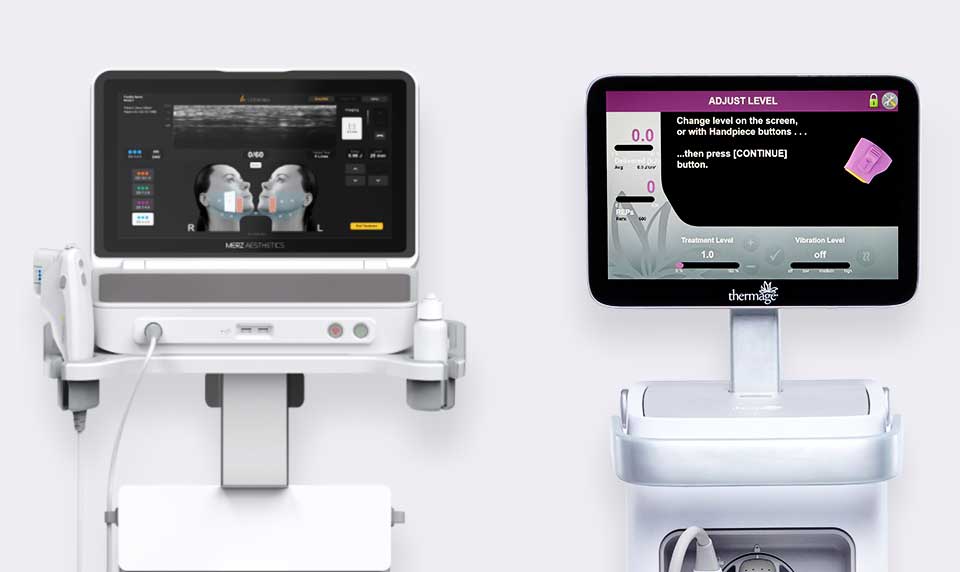
One of Ultherapy’s defining features is its real-time ultrasound imaging. This allows the physician to visualize internal tissue layers during treatment and tailor the treatment depth and placement to the individual patient.
For international patients, this personalized planning can be especially valuable when seeking a precise, non-surgical approach to facial contour improvement.
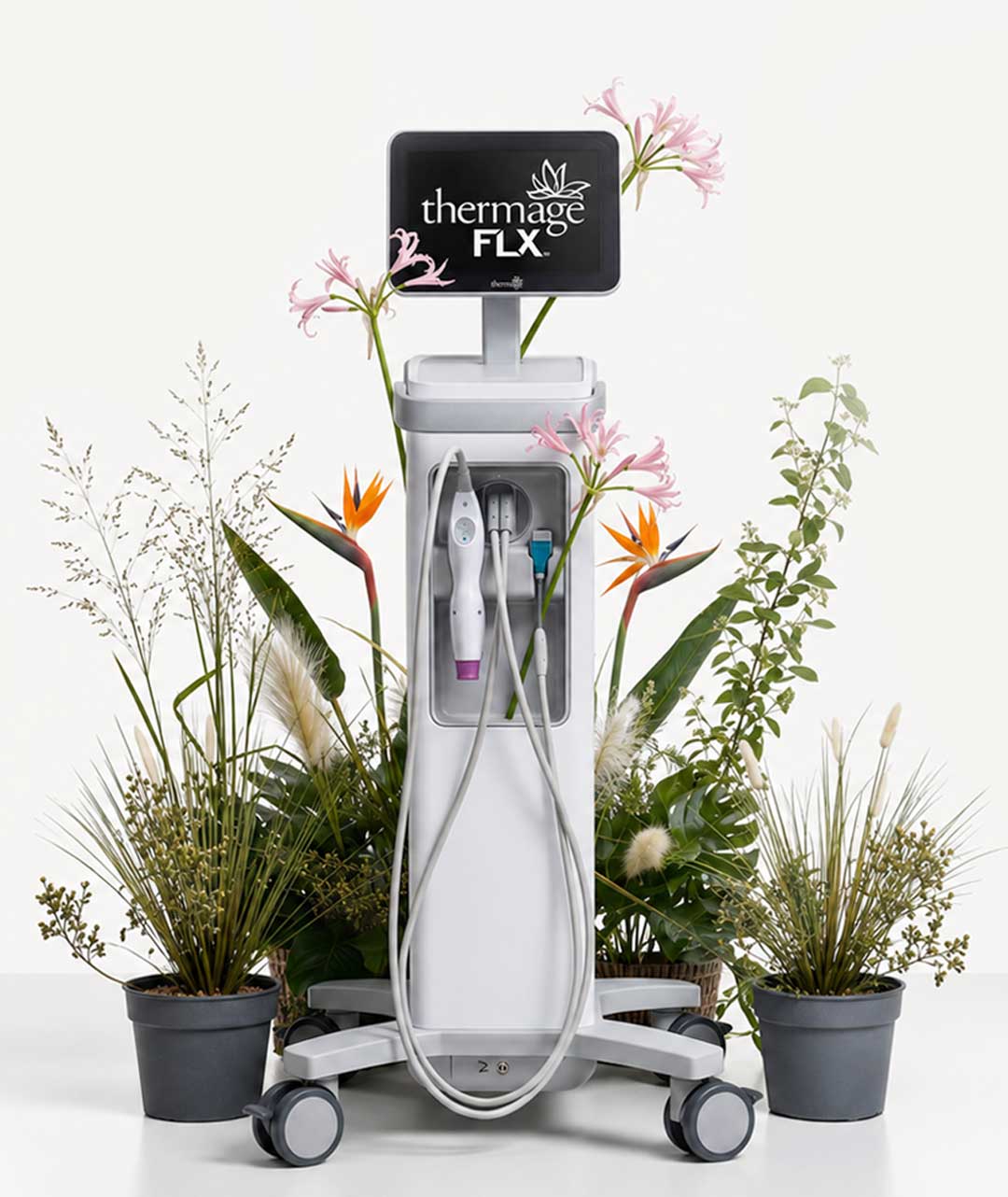
Thermage FLX: Improving Skin Firmness and Fine Lines
Thermage FLX is a radiofrequency-based treatment focused primarily on the dermal layers of the skin. Rather than lifting deeper tissue, it is intended to improve the appearance of skin laxity, texture, and fine lines.
How It Works
Thermage FLX delivers controlled radiofrequency energy into the dermis. The heat can stimulate collagen contraction and support new collagen production over time, helping the skin appear firmer and smoother.
What Thermage FLX May Help Address
Thermage may be suitable for concerns such as:
- Fine lines and crepey skin texture
- Mild skin laxity
- Reduced elasticity
- Thin or less resilient-looking skin
- Enlarged pores and uneven skin texture
- Fine lines around the eyes, mouth, or neck
The Thermage FLX system is designed with treatment comfort and efficiency in mind, helping reduce overall procedure time compared with earlier-generation devices.
Ultherapy and Thermage: What Is the Difference?
Although both treatments use energy to encourage collagen remodeling, their primary targets differ.
| Treatment | Primary Energy Source | Main Treatment Focus | Typical Goal |
|---|---|---|---|
| Ultherapy | Focused ultrasound (HIFU) | Deeper structural tissue layers | Lifting and contour support |
| Thermage FLX | Radiofrequency (RF) | Dermal skin layers | Tightening, texture, and fine-line improvement |
Ultherapy is generally associated with improving the appearance of deeper sagging, while Thermage focuses more on the quality, density, and firmness of the skin itself.
Ulthermage: Combining Lifting and Tightening
Many patients experience more than one type of age-related change. Facial contours may begin to descend while the skin simultaneously becomes thinner, less elastic, and more finely wrinkled.
In these cases, Ulthermage—a customized combination of Ultherapy and Thermage—may be considered.
Why Combine the Treatments?
The two procedures can complement one another:
- Ultherapy addresses deeper tissue laxity and helps support facial contours.
- Thermage FLX focuses on skin firmness, texture, and fine lines closer to the surface.
By addressing both deeper sagging and superficial skin laxity, a combined plan may provide a more balanced approach to non-surgical facial rejuvenation.
Which Treatment Is Best for Medical Tourists?
There is no single treatment that is ideal for every patient. The right recommendation should be based on an in-person medical assessment, particularly for patients traveling from abroad.
During a personalized consultation, your physician may evaluate:
- Skin thickness and elasticity
- Degree and location of facial sagging
- Facial volume and fat distribution
- Wrinkle pattern and skin texture
- Previous aesthetic treatments
- Desired level of improvement
- Available recovery time during your visit to Korea
At HEV Dermatology, treatment plans are customized for each patient, including the recommended device, treatment areas, number of shots, and energy settings. This individualized approach is important for achieving natural-looking results while considering each patient’s unique facial anatomy and goals.
Plan Your Personalized Consultation
If you are visiting Korea for aesthetic care and are unsure whether Ultherapy, Thermage FLX, or a combination treatment may be suitable for you, a detailed consultation can help clarify your options.
A personalized plan can be created based on your skin condition, facial structure, travel schedule, and desired outcome.
Note: This article was translated and published from the original with consent from the author.