Thermage FLX and Oligio: treatment reviews and effects / an overview of radiofrequency laser treatments –
This post was written in accordance with the Medical Service Act and was created by a medical institution operated by a board-certified dermatologist at Hev Clinic, with the consent of the patient who received treatment.
It is not intended to emphasize treatment effects or personal treatment experiences, but rather to provide general information about dermatology and aesthetic procedures.
The photos used in this post meet the following conditions:
- The same individual appears in both the before and after photos.
- The dates when the photos were taken before and after treatment are specified.
- The photos were taken under the same conditions.
This post provides various medical information, including possible side effects that may occur from the procedure. In accordance with Article 56, Paragraph 2, Subparagraph 7 of the Medical Service Act, diagnoses and treatment results may vary depending on the individual, and both effects and side effects may differ from person to person.
※ This article was written directly by the director of Hev Clinic for the purpose of providing information about dermatologic and aesthetic procedures.
Anti-aging, lifting
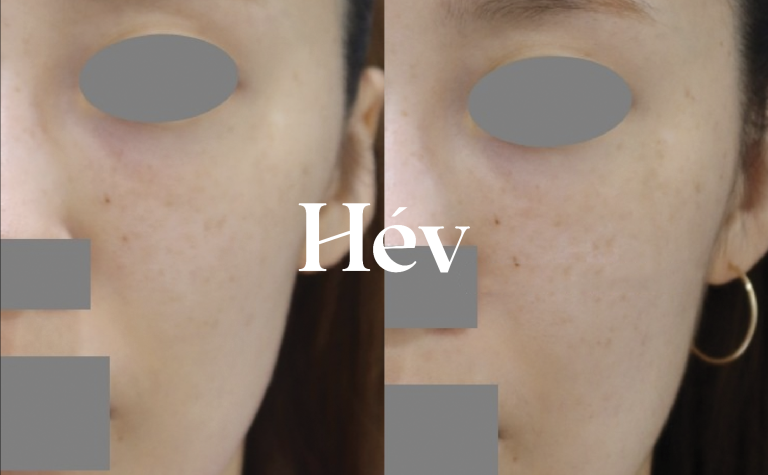
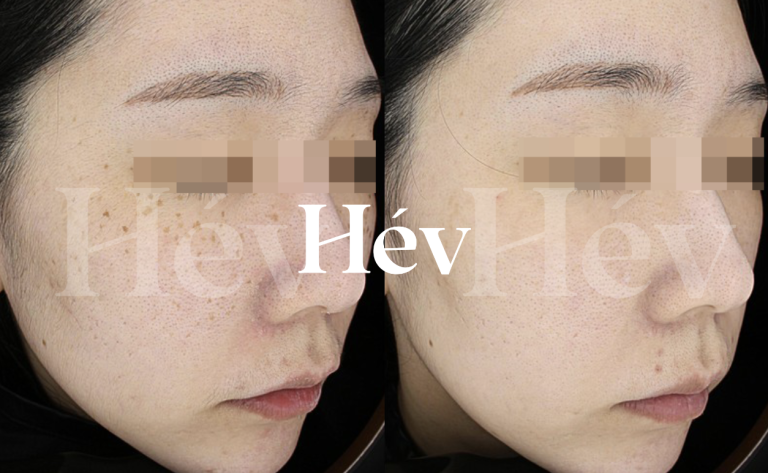
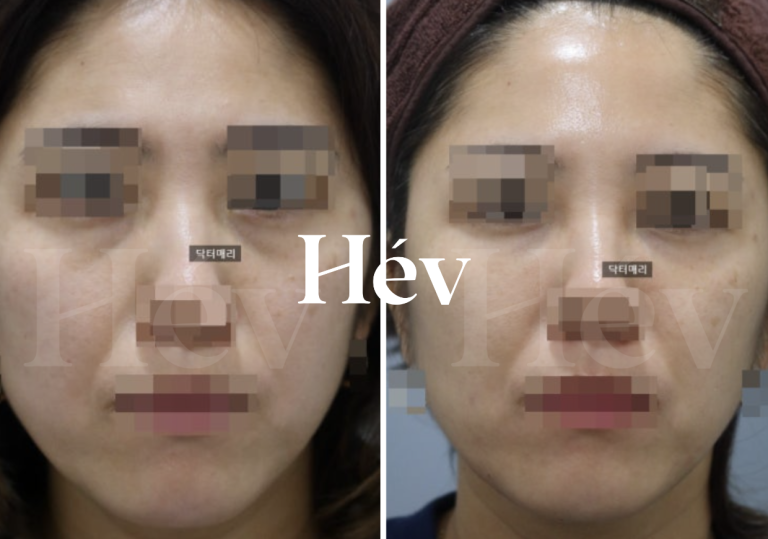
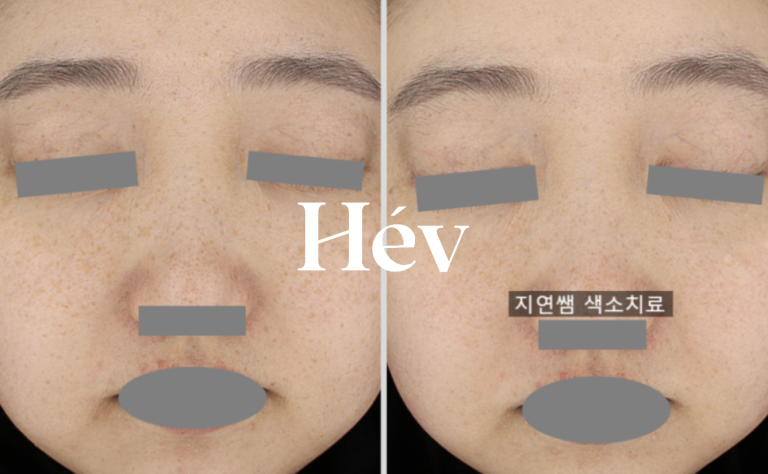
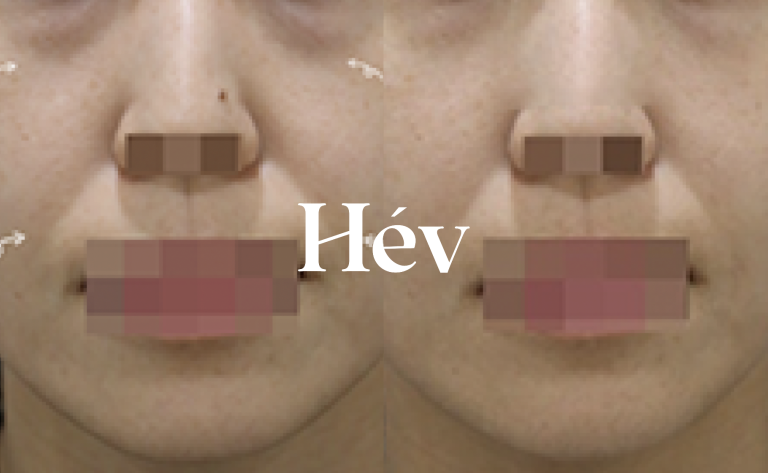
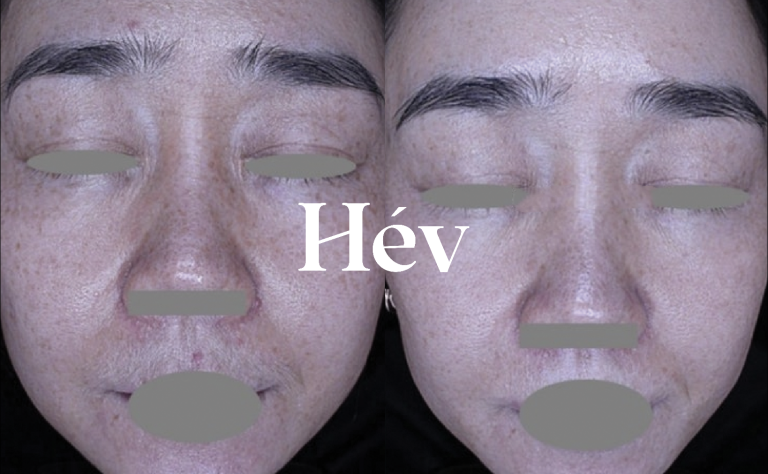
Before the procedure: 2024.03.23 – After the procedure: 2024.04.27
This photo was posted with consent and is an unedited, original photo of the same person taken in the same location.
The results of each procedure may vary, so please have a thorough consultation beforehand regarding possible side effects (such as pigmentation, bruising, or swelling).
You may be interested and want to receive treatments regularly, but feel unsure about which one to choose or which would be better. That’s completely understandable. I also constantly think about how to explain the differences in effects between each laser and treatment in a way that really clicks.
I’ve found that detailed explanations, appropriate analogies, and clear visual comparisons through photos are essential.
Today, I hope this post will be helpful for those considering radiofrequency (RF) laser treatments.
RF lasers can be divided into monopolar vs. bipolar types. Today, I’ll focus specifically on monopolar RF lasers.
If you’ve ever searched about lasers, you’ve probably heard of Thermage, and perhaps Oligio, which is still mainly known among enthusiasts.
In the field of lifting treatments, Thermage and Oligio are currently the top two monopolar RF lasers, so I’ll focus on these two.
Thermage is an imported device, while Oligio can be thought of as the Korean version of Thermage.
Since Thermage and Oligio work on the same principles and mechanisms as monopolar RF lasers, I’ll explain the underlying concept just once.
Let’s start with Thermage.
This is the official website.

It is manufactured by a company called Solta.
“Thermage is a globally pioneering laser that non-invasively improves skin firmness.”
Thermage has firmly established its image as the ultimate laser treatment in the field.
The idea that you could achieve anti-aging effects (slowing aging) and enhanced skin firmness through collagen stimulation—without damaging the skin like Fraxel lasers, or using needles, threads, stitching, or surgery—was truly a groundbreaking discovery.
Thermage presents six key advantages and characteristics as its main strengths.
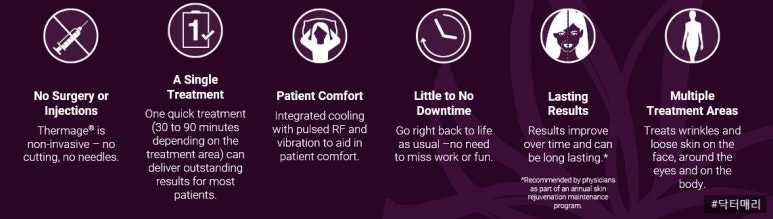
- Non-invasive – no cutting, stitching, needles, surgery, or injections required
- Only one treatment session (about once a year)
- Equipped with cooling, making it less painful
- Immediate return to daily activities
- Results last for several months up to a year
- Can be performed on the face and body
Hearing that there’s no downtime and that you only need it about once a year certainly sounds very appealing.
So, how does it work, and how much improvement can you actually expect?
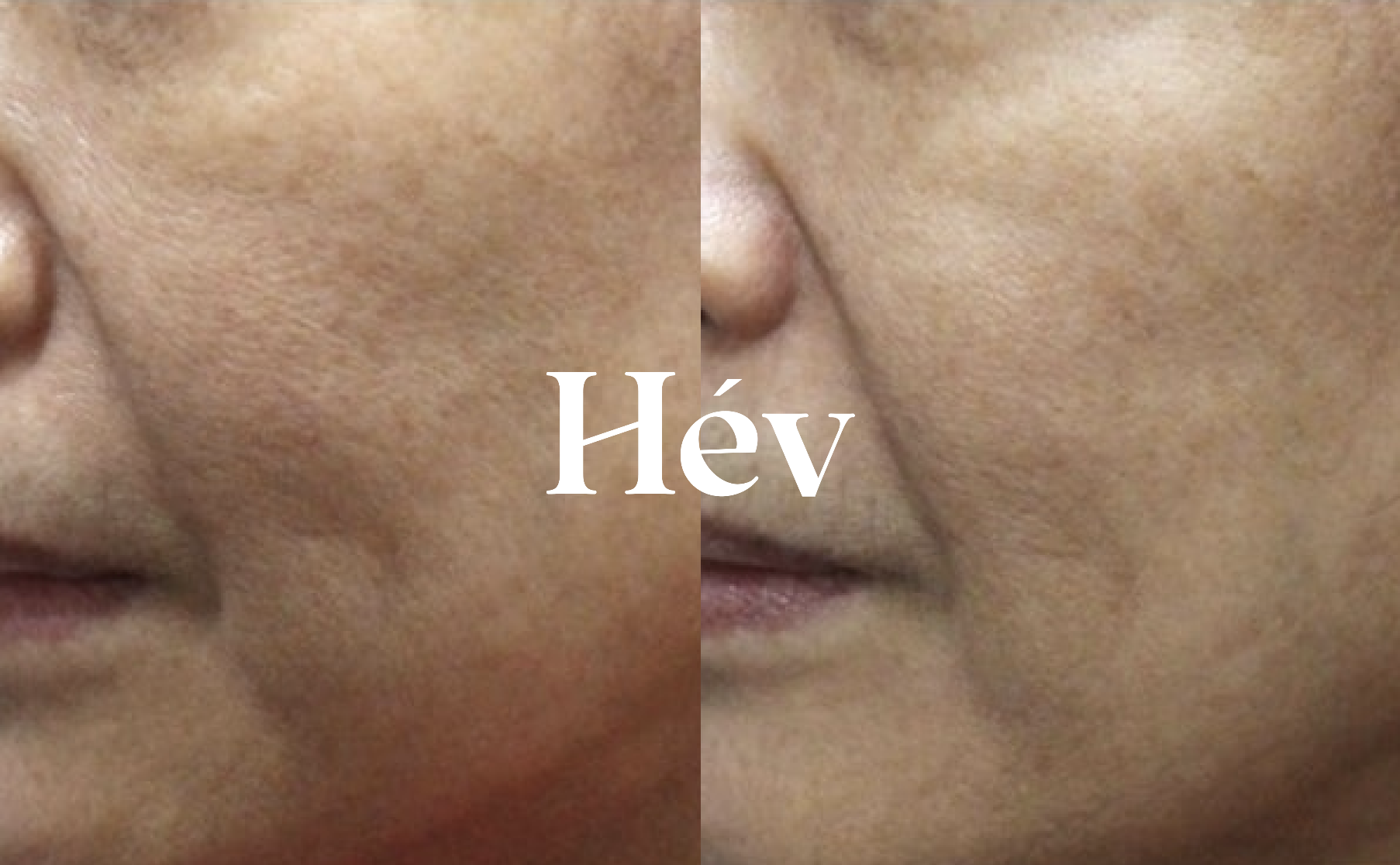
The following are images provided by Thermage.
(You can find many more on the official website.)
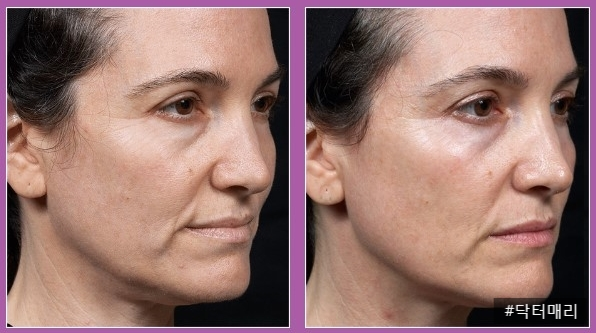
The wrinkles haven’t completely disappeared, but the fine lines around the mouth and cheeks have softened, and the skin feels more elastic and firm.
Even Solta describes the effect as the skin’s wrinkles and lines becoming smoother (smooth contouring).
However, there was another photo that showed the effects of monopolar radiofrequency lasers even more clearly—one that better captured what I wanted to explain and share.
And that photo is… this one.
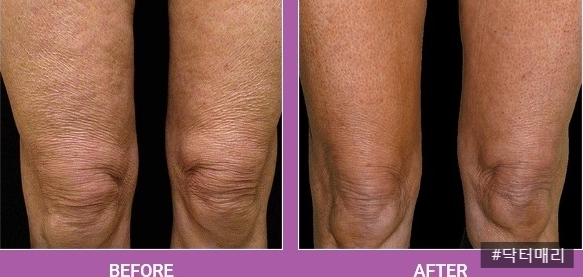
It can add elasticity, thickness, and smoothness to skin that looks dry, rough, thin, covered with fine wrinkles, and lacking firmness.
The skin definitely improves—fine lines soften and the skin becomes firmer.
Yet, in a previous post, I once said:
“If you’re looking for dramatic change, don’t choose Oligio.”
Why is that?
First,
[1]
People who start becoming interested in lifting—those in their 30s–40s, or even younger in their 20s—don’t usually have skin that is as thin and fragile as wet rice paper.
Because of this, after the treatment, it’s hard to feel a dramatic, immediate improvement, like “Wow, my skin looks completely different” or “It’s suddenly so firm.”
What the treatment does is prevent the skin from becoming thinner, gradually building strength layer by layer. But since there isn’t an obvious, eye-catching change, it’s often dismissed as something people “can’t really tell works” or think has little effect.
That tendency to underestimate it is, honestly, a bit unfortunate.
[2]
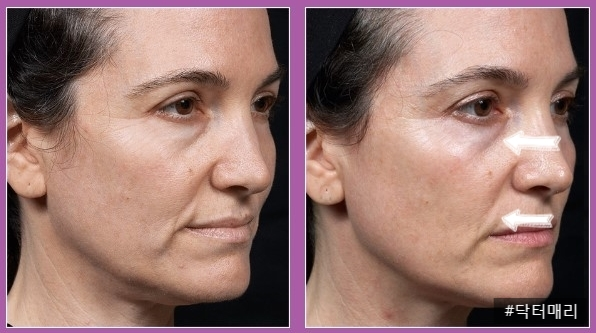
Because we commonly use the word “wrinkle” for areas like under the eyes or the nasolabial area, some people mistakenly believe that nasolabial folds can completely disappear with laser treatment.
However, nasolabial folds are normal anatomical structures created by the natural segmentation of the face. Even babies have them. If we compare the face to a door, they’re like hinges—essential and functional.
Even in English, they’re not called “wrinkles,” but nasolabial folds—folds, not wrinkles.
Therefore, to correct deepened nasolabial folds, a certain level of invasive volumizing treatment, such as fillers or Sculptra, is usually necessary.
That said, there are cases where:
- people whose skin is not very thin receive non-invasive radiofrequency laser treatments, and
- expect all facial contours (e.g., nasolabial folds) to completely disappear.
Because of this mismatch in expectations, Thermage and Oligio tend to be underestimated. Even though the skin genuinely becomes firmer, if you’re seeking dramatic, visible fold elimination, these treatments may not feel satisfying.
In that sense, Thermage and Oligio are best explained as ANTI-AGING treatments—lasers chosen literally to prevent aging.
Even if the changes aren’t dramatically visible, the treatment is still working beneath the surface.
The mechanism by which Thermage and Oligio improve and firm the skin is as follows:
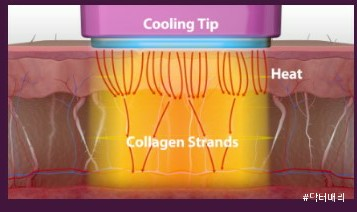
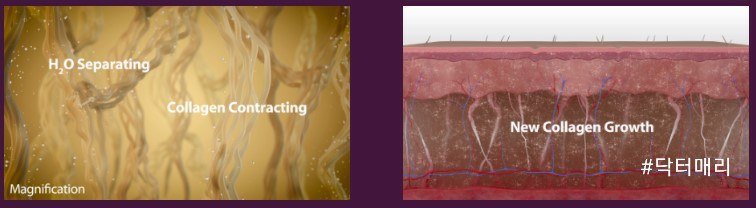
When radiofrequency energy is delivered to the skin’s collagen “pillars,” the water within the collagen separates, causing the existing collagen fibers to contract and stimulating the formation of new collagen.
As a result, the collagen structure becomes firmer and stronger.
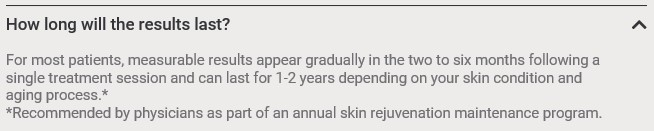
How long does it last?
This collagen production and regeneration process continues over 2–6 months, and depending on individual skin characteristics, the results can last for 1–2 years.
Then what about Oligio?
Oligio is a domestic monopolar radiofrequency laser that works on the same principle and uses the same mechanism as Thermage. So you can consider it to be essentially the same as what was explained above.
So, what kind of effects can you expect from Oligio?
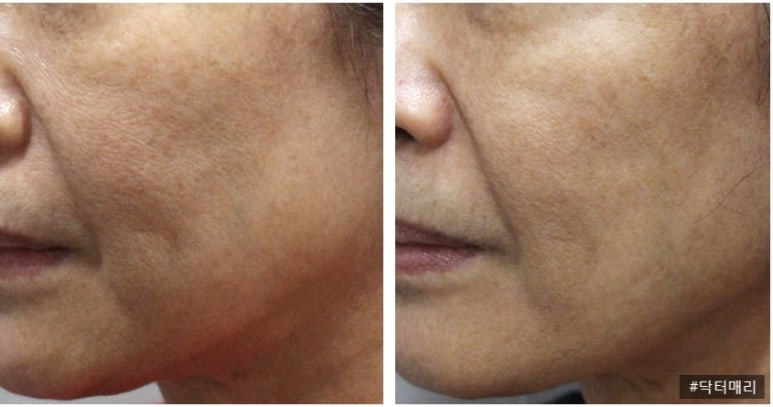
The thin skin along the cheeks and jawline, where fine wrinkles were present, gains firmness and elasticity.
You’ll see the same effects and responses as those observed earlier with Thermage.
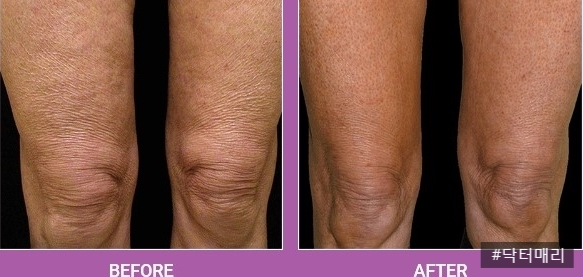
I hope that by looking at the photos of Thermage and Oligio, the effects of these treatments feel more tangible and help you make a more informed decision when choosing between them.
Thank you.