Review: Laser Treatment for Freckles, Blemishes and Age Spots at Hev Clinic
This post was written in accordance with the Medical Service Act and was created by a medical institution operated by a board-certified dermatologist at Hev Clinic, with the consent of the patient who received treatment.
It is not intended to emphasize treatment effects or personal treatment experiences, but rather to provide general information about dermatology and aesthetic procedures.
The photos used in this post meet the following conditions:
- The same individual appears in both the before and after photos.
- The dates when the photos were taken before and after treatment are specified.
- The photos were taken under the same conditions.
This post provides various medical information, including possible side effects that may occur from the procedure. In accordance with Article 56, Paragraph 2, Subparagraph 7 of the Medical Service Act, diagnoses and treatment results may vary depending on the individual, and both effects and side effects may differ from person to person.
※ This article was written directly by the director of Hev Clinic for the purpose of providing information about dermatologic and aesthetic procedures.
Melasma, Freckles, Spots & More: Pigmentation Isn’t One-Size-Fits-All
Melasma, freckles, sun spots, blemishes, nevi, and more—pigmentation shows up in many different ways. And because each type behaves differently, the most important first step is always the same: an accurate diagnosis.
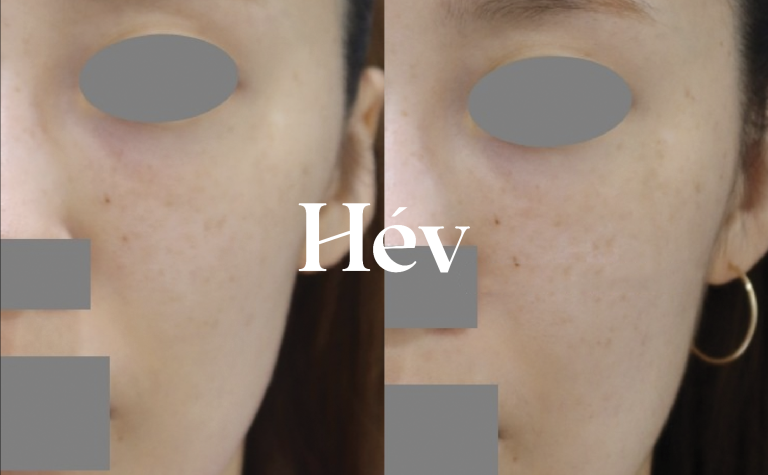
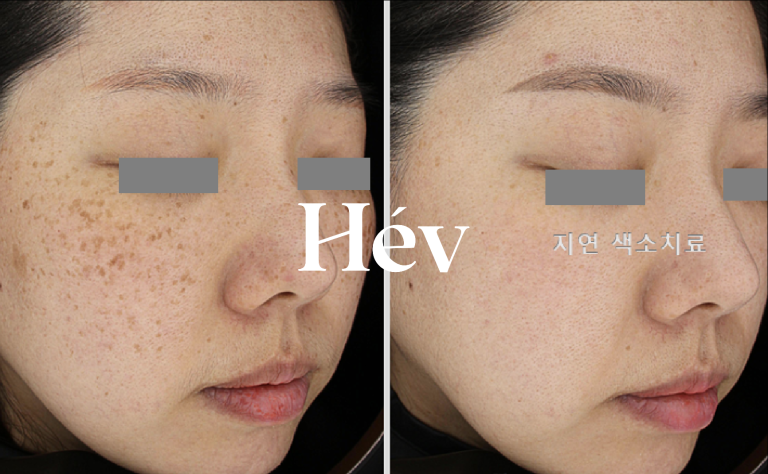
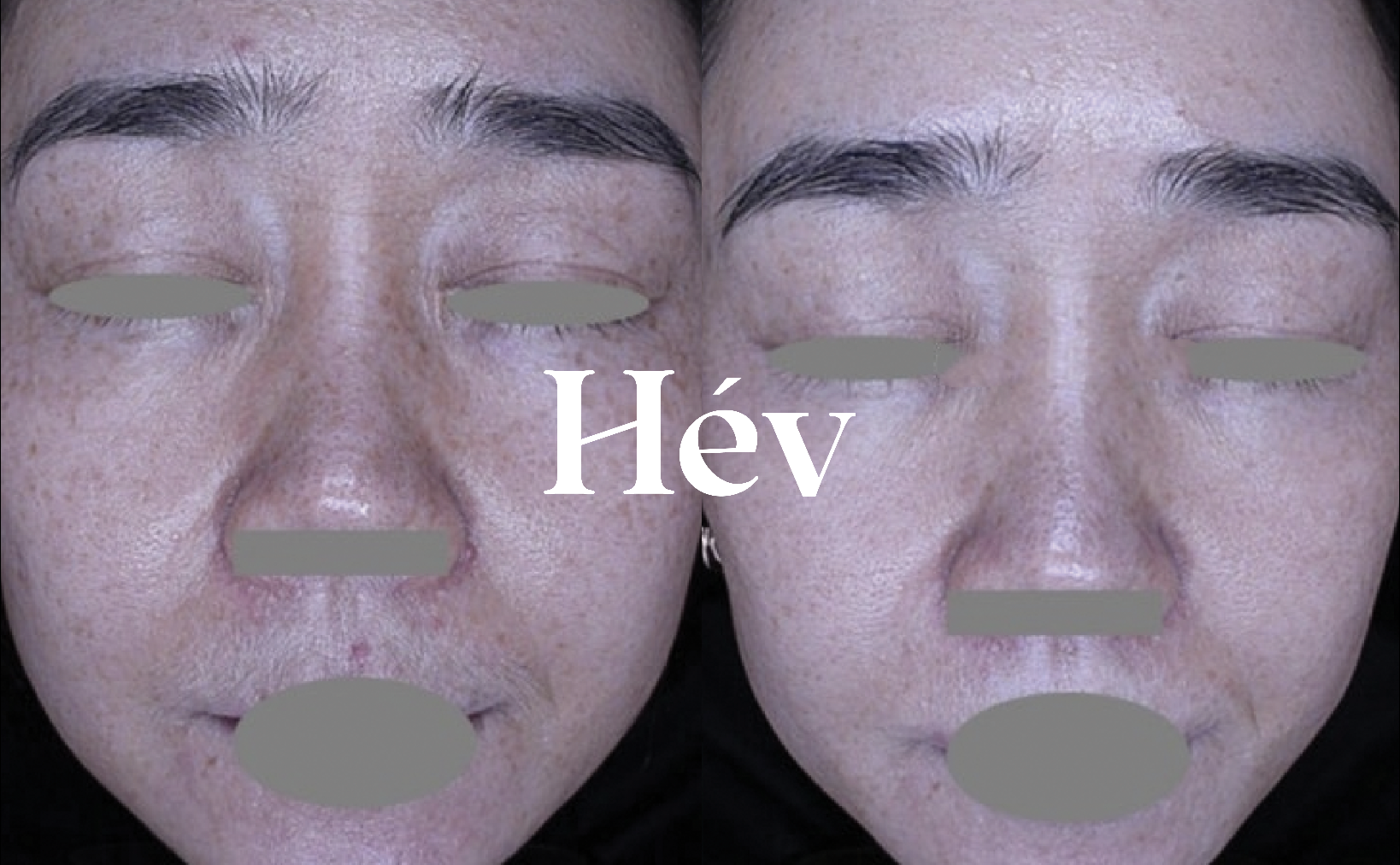
Before: 2023.03.31 – After: 2023.09.08
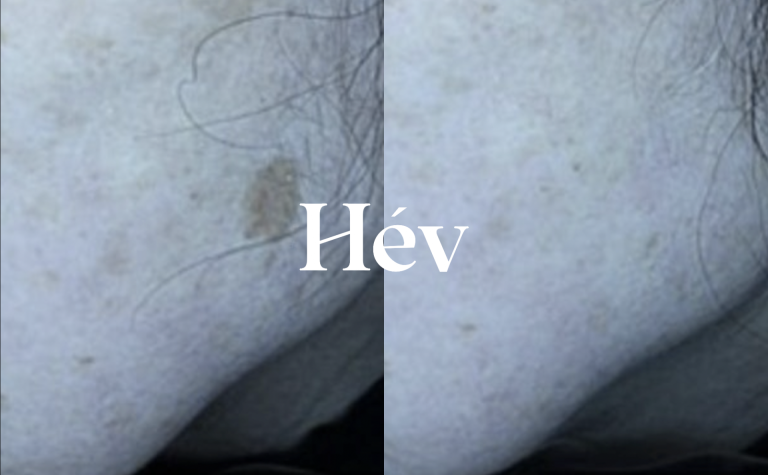
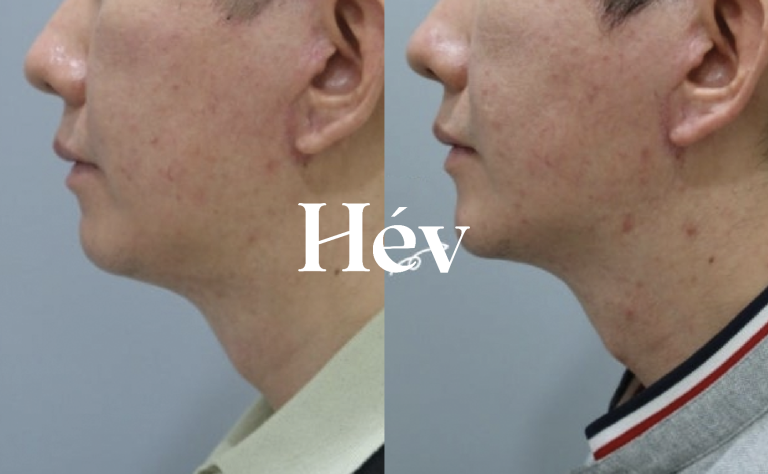
This photo was shared with consent and shows the same person in the same location, with no retouching or editing.
Results can vary depending on your skin condition and the type of pigmentation. Please make sure to have a thorough consultation in advance, including a discussion of possible side effects such as temporary darkening, bruising, swelling, or sensitivity.
Depending on the case, the laser type, treatment intensity, and the number of sessions needed can differ significantly.
That’s why some pigmentation treatments are still performed too broadly under the umbrella term “toning”—without fully considering the characteristics of the pigmentation being treated.
For pigmentation treatment to be effective (and safe), it’s essential to identify exactly what kind of pigmentation you have and what’s triggering it.
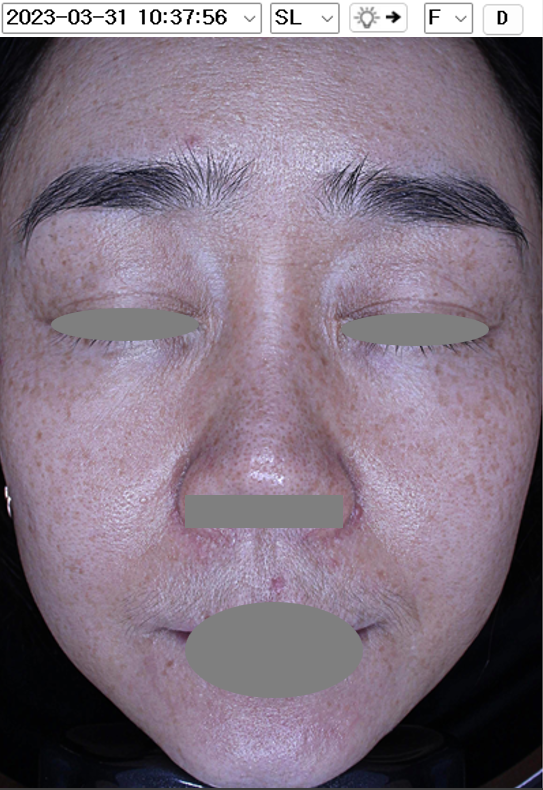
What I Look At Before Choosing a Treatment Plan
When planning pigmentation treatment, I don’t just look at the spots themselves. I also review practical factors that can affect results and recurrence, such as:
- The patient’s skin type and overall skin health
- Occupation and daily sun exposure, plus how well sun protection can be managed (sunscreen, hats, shade habits, etc.)
- Medical history (for women in particular, relevant history related to hormones, the uterus, or the breasts)
In other words, I can be pretty thorough—because with pigmentation, the details matter. You’ll often hear me say, “Do this,” and “Avoid that.”
Real Patient Cases: Melasma & Blemish Care Through Spring and Summer
Today, I’d like to share two cases from patients who followed my guidance and started pigmentation treatment and home care from spring into summer. As a result, their melasma and blemishes did not flare up during the summer—and their skin looked brighter, calmer, and healthier over time.
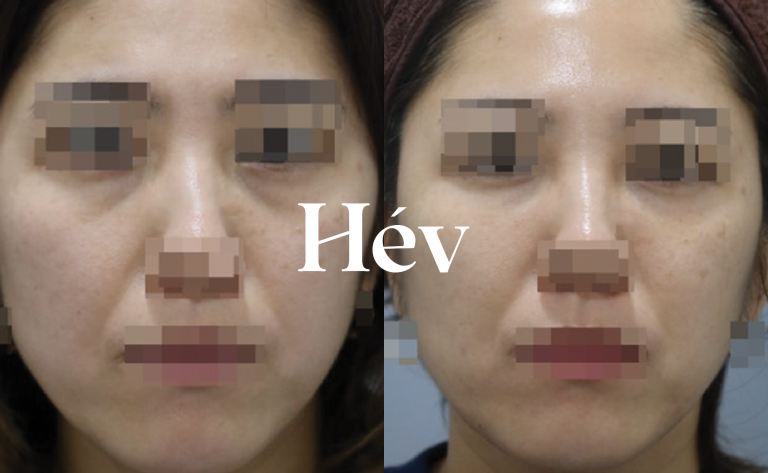
Case 1: Female, Late 30s
- Previous pigmentation treatment experience: about 10 years ago
- Melasma and blemishes became more noticeable after childbirth
Before vs. After
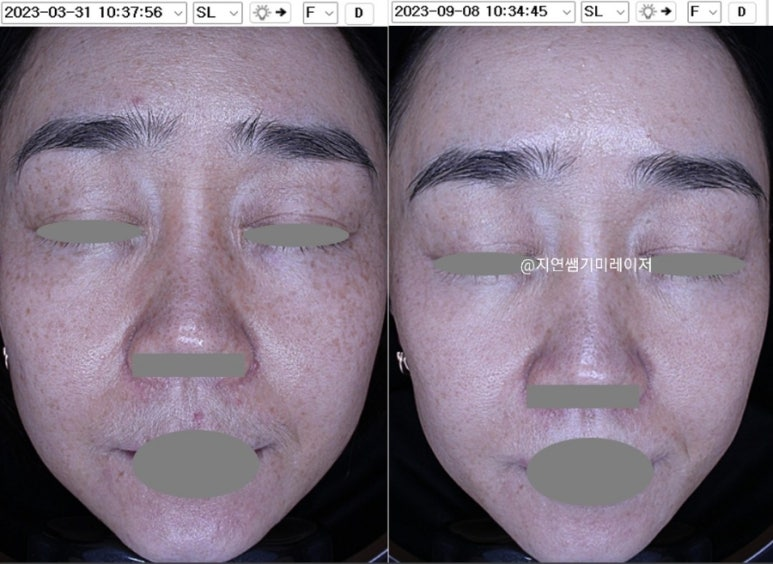
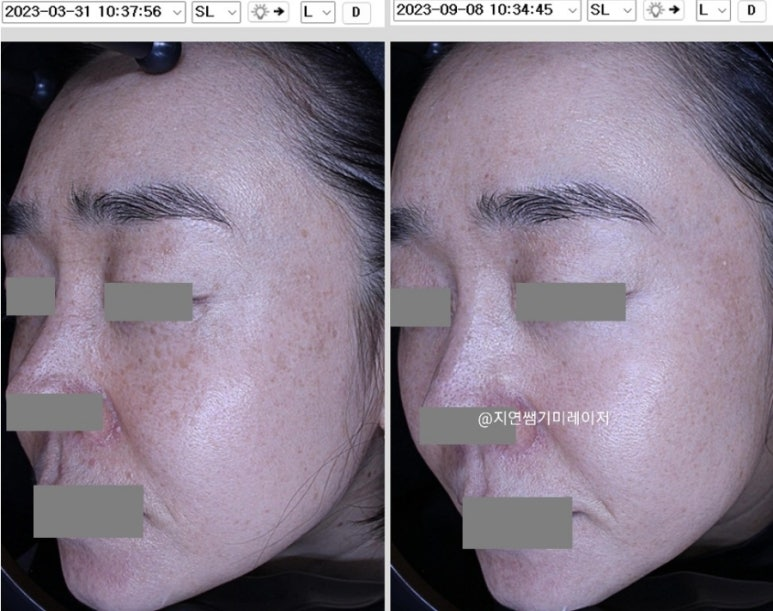
She also received Oligio, a radiofrequency-based treatment focused on dermal health. Along with helping the overall tone look brighter, it supported a more plump, elastic appearance.
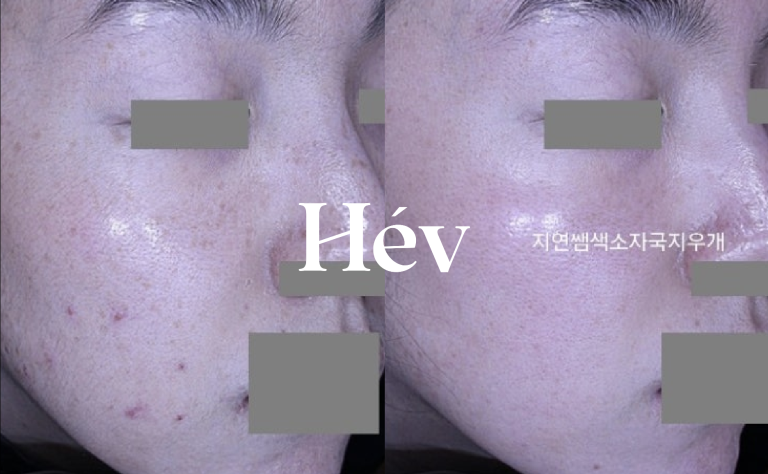
Case 2: Female, Mid-30s
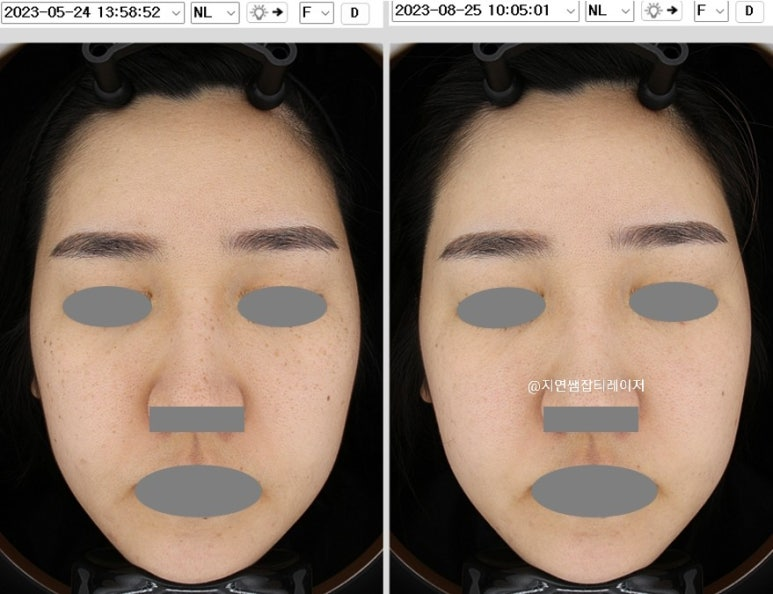
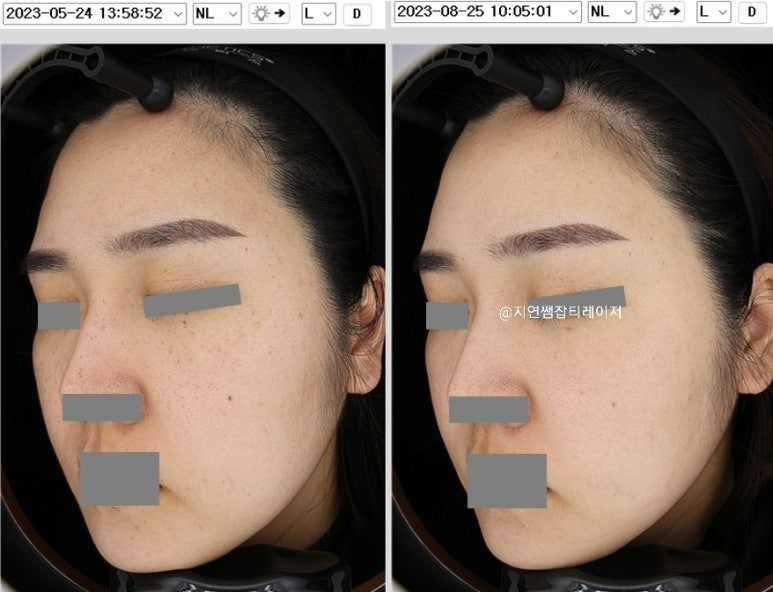
Is Fall a Good Time to Treat Melasma and Blemishes?
As summer ends and we move into September, many people notice that melasma and blemishes look darker or more widespread. With less intense sun exposure and cooler weather, early fall can be an excellent time to reassess your pigmentation and plan treatment.
Of course, preparing ahead of time helps your skin handle summer heat and UV better—but even if you’re starting now, you can still support your skin so it looks calmer, more refreshed, and brighter.
Serious pigmentation care starts with the right diagnosis. If you’re not sure whether you’re dealing with melasma, freckles, sun spots, or another type of pigmentation, start with a detailed consultation and a personalized plan.
Thank you for reading.