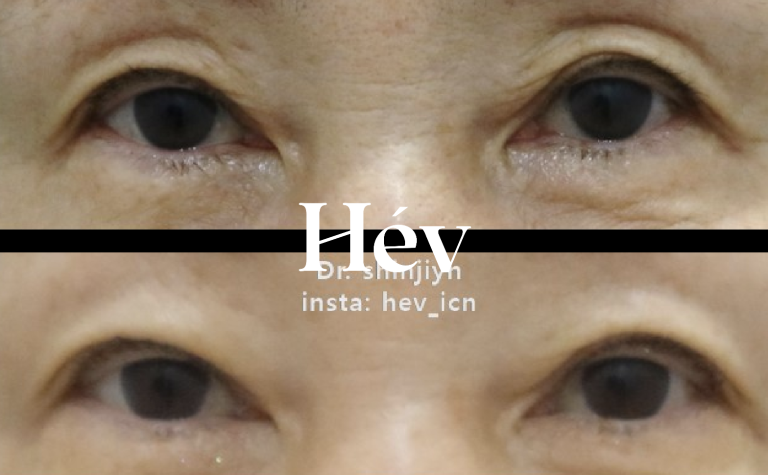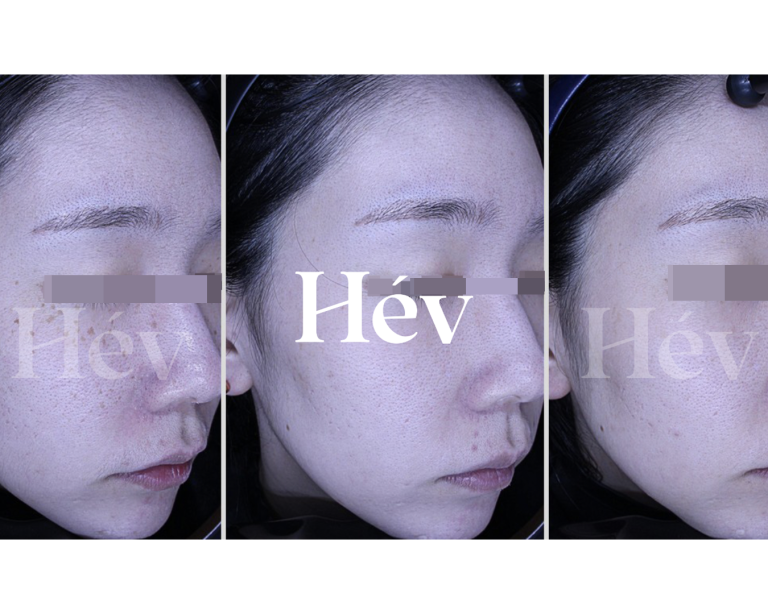
Treating Sunken Cheeks and Smile Lines: Juvederm Voluma Self-Treatment Review
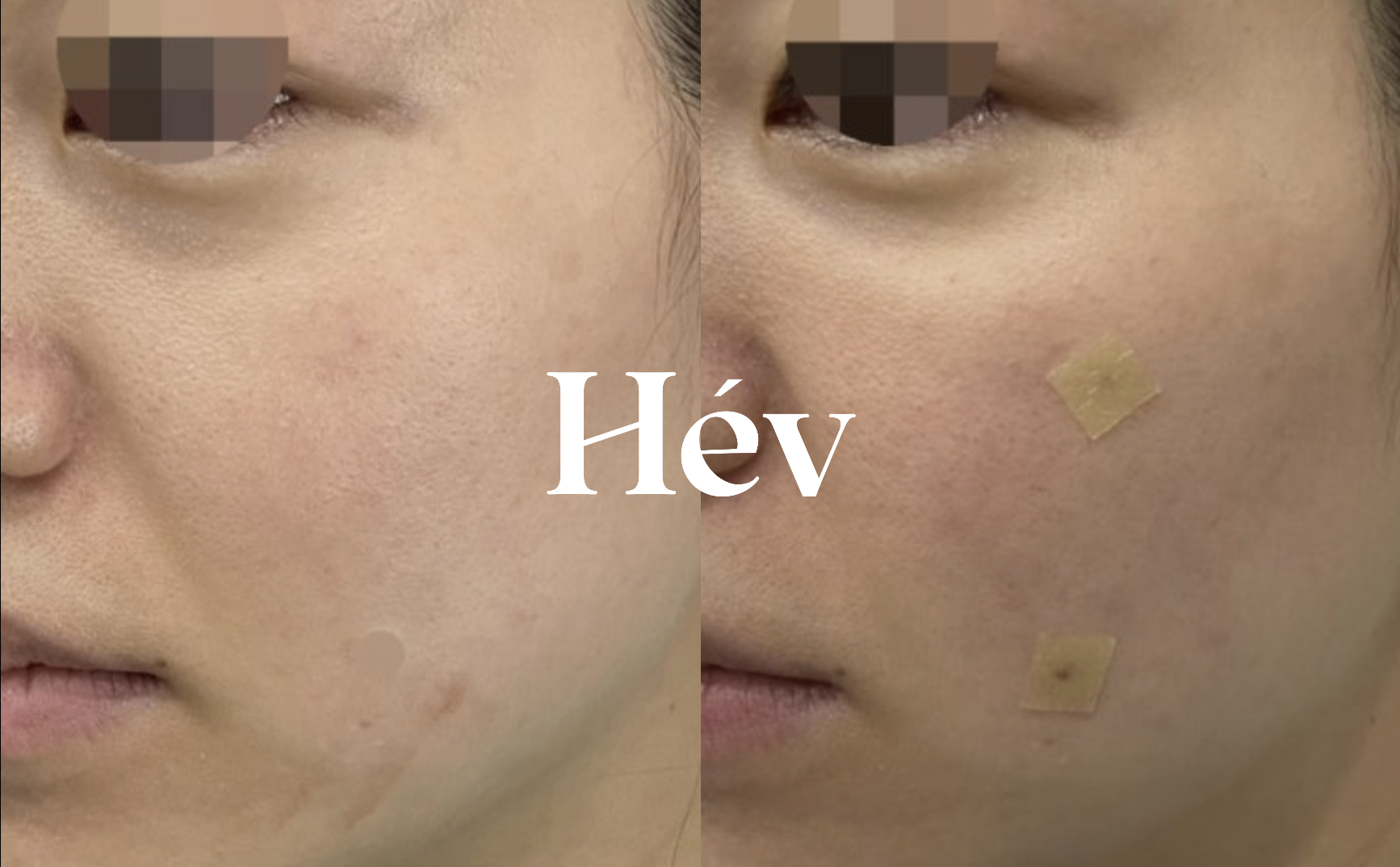
This post was written in accordance with the Medical Service Act and was created by a medical institution operated by a board-certified dermatologist at Hev Clinic, with the consent of the patient who received treatment.
It is not intended to emphasize treatment effects or personal treatment experiences, but rather to provide general information about dermatology and aesthetic procedures.
The photos used in this post meet the following conditions:
- The same individual appears in both the before and after photos.
- The dates when the photos were taken before and after treatment are specified.
- The photos were taken under the same conditions.
This post provides various medical information, including possible side effects that may occur from the procedure. In accordance with Article 56, Paragraph 2, Subparagraph 7 of the Medical Service Act, diagnoses and treatment results may vary depending on the individual, and both effects and side effects may differ from person to person.
※ This article was written directly by the director of Hev Clinic for the purpose of providing information about dermatologic and aesthetic procedures.
Well… I finally did it.
Between pregnancy and delivery, nonstop childcare, getting the clinic ready to open, and working six days a week, I barely had a moment to look after myself this past year. Little by little, my face started to look more tired—and honestly, I didn’t feel confident recommending treatments when my own skin looked like it needed help.
One patient even said, “I wouldn’t trust a dermatologist whose skin isn’t good.” That one stung. I kept my mask on and tried to laugh it off, but it definitely stuck with me.
I knew I wanted (and needed) to do something… but with a packed schedule and no easy way to take time off, I kept putting it off.
Then my manager—who’s seen my face up close for four years—looked at me and said, “There’s basically no room left for your nasolabial folds.” That was the final push.
My ‘Extreme’ Decision: Juvederm Voluma
Juvederm Voluma self-treatment.
Important note: This post shares my personal experience as a trained medical professional. Do not attempt self-injection. Dermal filler procedures should be performed by qualified clinicians in a proper medical setting.
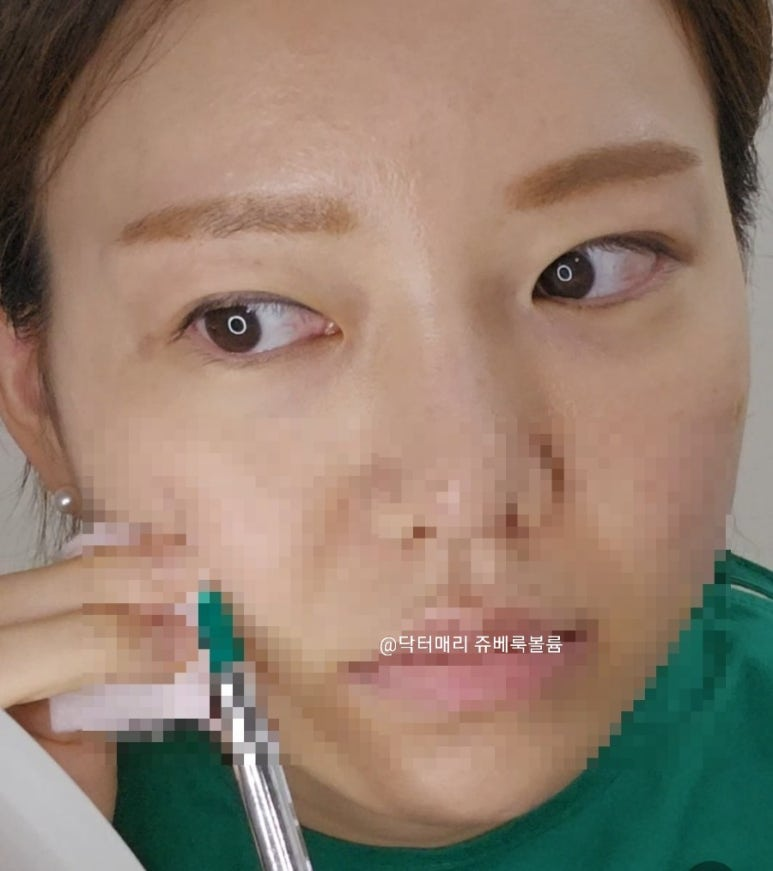
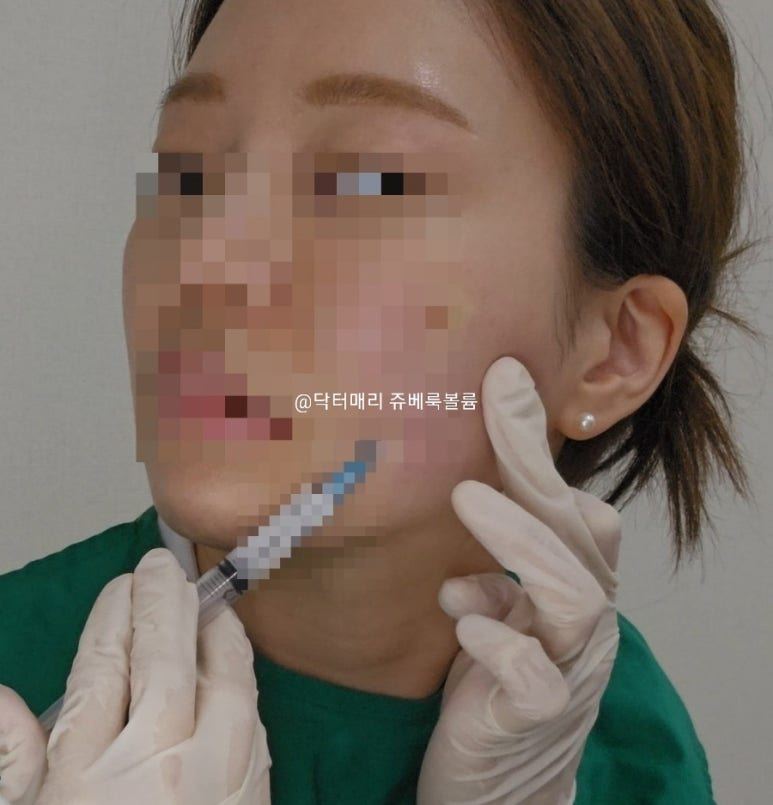
At one point I basically closed my eyes and relied on feel and technique to finish the procedure.
Doing this on my own face brought me right back to reality: What am I doing? Who am I trying to impress?
But I focused, finished one side first… and, surprisingly, I felt a little proud.
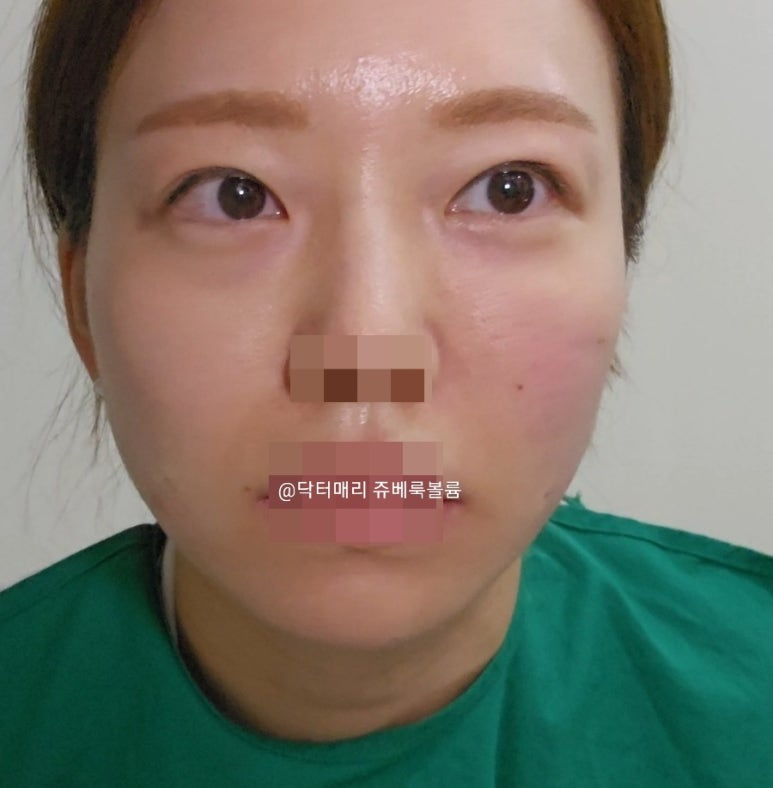
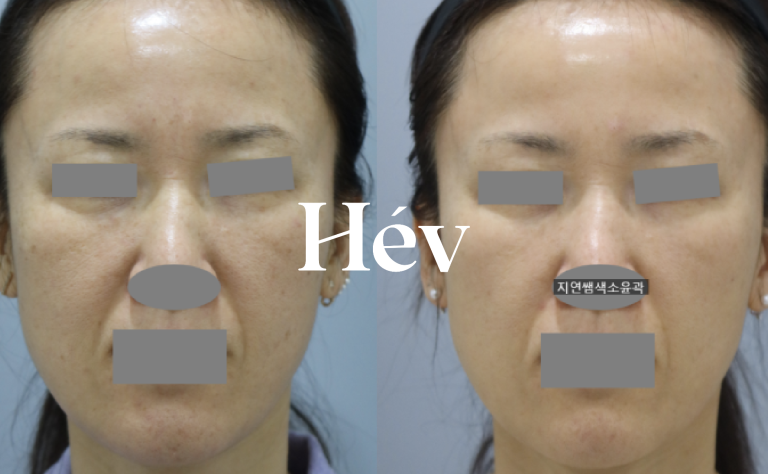
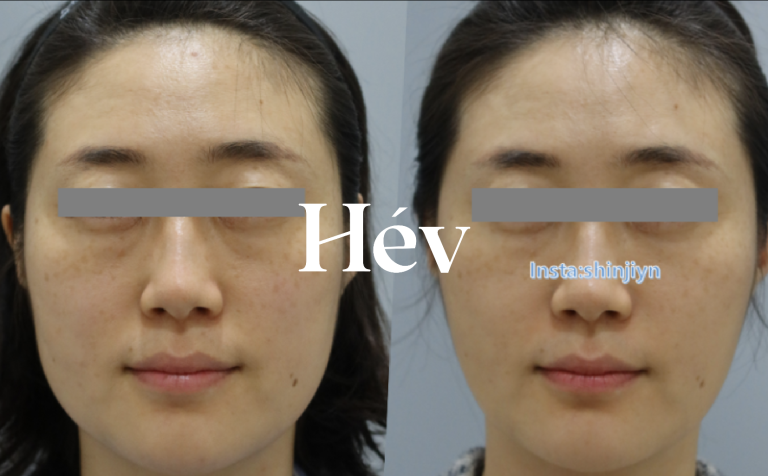
Left: untreated vs. Right: treated — which side looks more supported and voluminous?
I sent the photo to my husband and he replied:
“Hmm… did it get better? Or is it just the lighting? Did it always look like that?”
After all that effort… that’s what I got. But honestly, I expected it.
So I took photos under different lighting to make the change easier to see.
And yes—under the same “light from below” angle, the difference between the untreated left side and treated right side becomes much clearer.
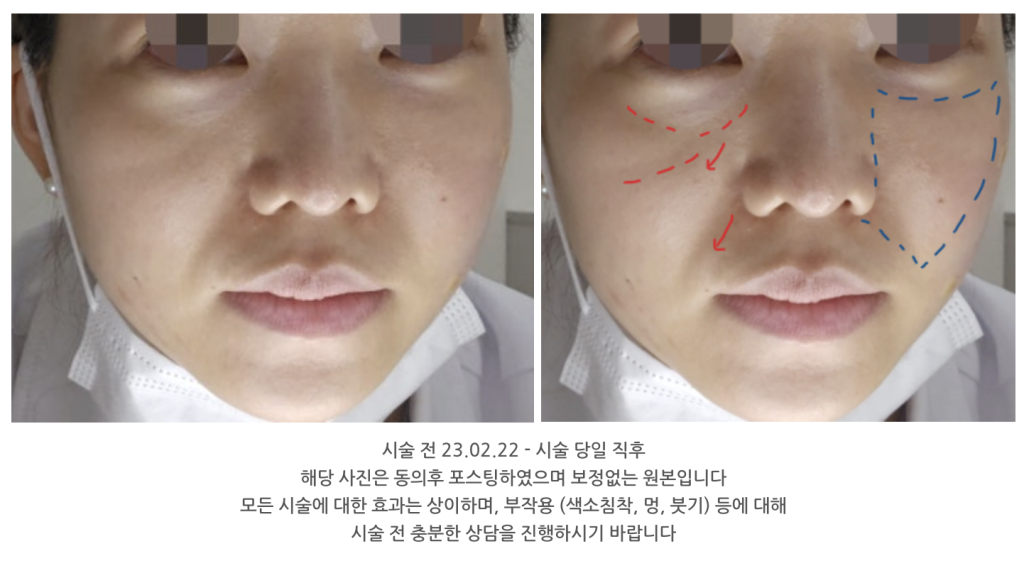
On the left side, you can see the front cheek and the area around the nasolabial fold losing volume and elasticity—giving that hollow, exhausted look. Reverse lighting like this makes it even more obvious.
But when those hollow areas are gently refilled and blended into the surrounding tissue (like on the right)…
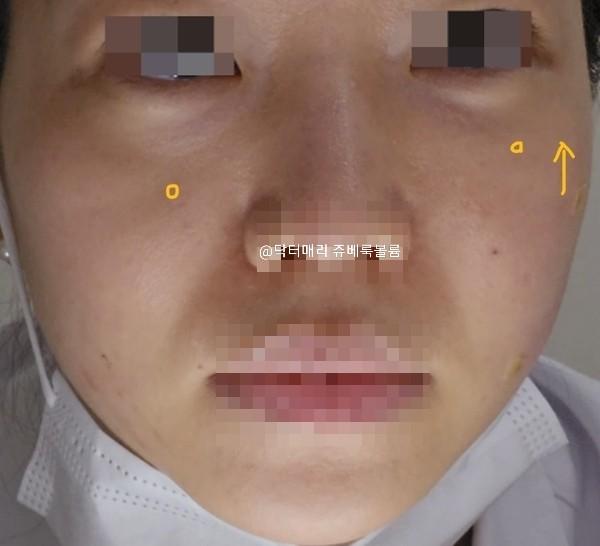
You can lift the “center of gravity” of the face and restore a firmer, more elastic look—often without threads—simply by rebuilding support in the right planes.
Filler vs. Collagen Stimulators: What’s the Difference?
This kind of structural injection approach can be used with HA fillers like Juvederm Voluma, and it can also be adapted for collagen-stimulating injections depending on your goals.
- Want immediate volume today? Dermal fillers are usually the best fit.
- Prefer gradual, natural improvement over a few months (or you’re not ready for fillers)? Collagen-stimulating options can help your skin build its own volume over time.
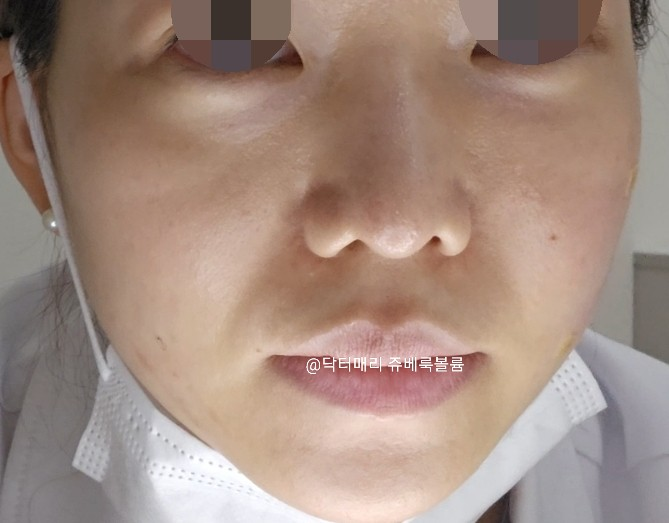
Now that you’re looking for it, you can spot the difference, right?
My husband’s final verdict: “Oh… it feels a bit firmer.”
That’s pretty much the most common reaction to Voluma—people don’t always say “wow,” but they notice you look rested, healthier, and a little more lifted.
Results in Natural Light (Right After Treatment)
Natural light mode
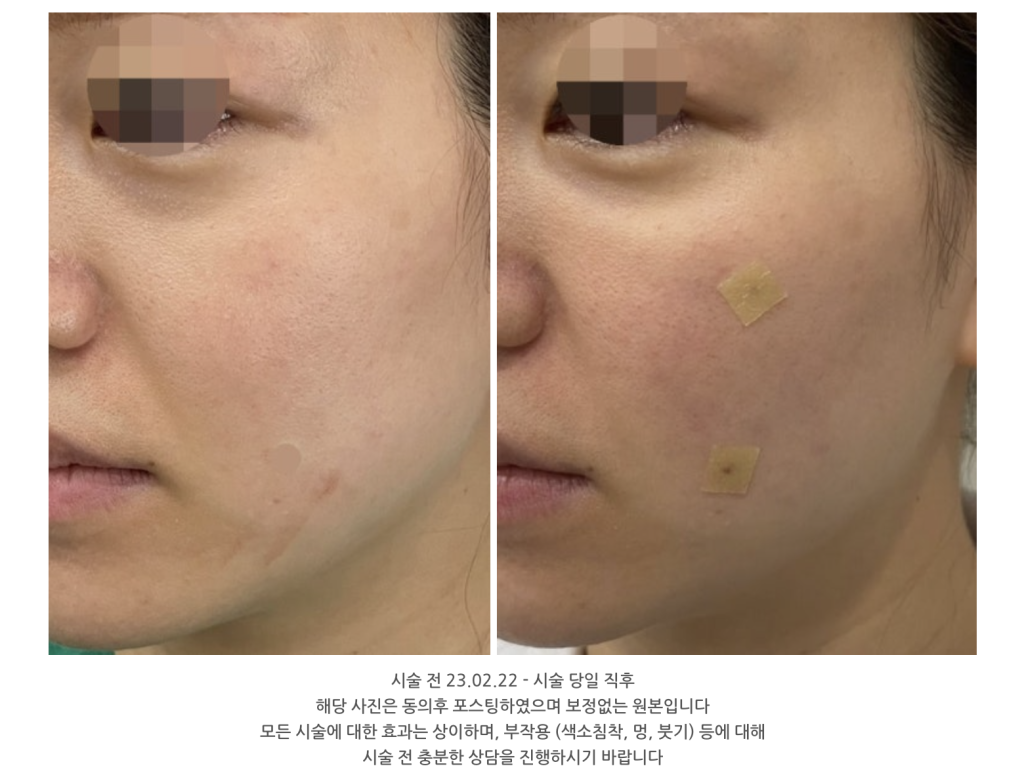
In natural light, this is how subtle and natural it looks immediately after the procedure—just a smoother transition through the front cheek and softer nasolabial fold shadows.
You can also see a slight improvement through the lateral cheek area as support returns.
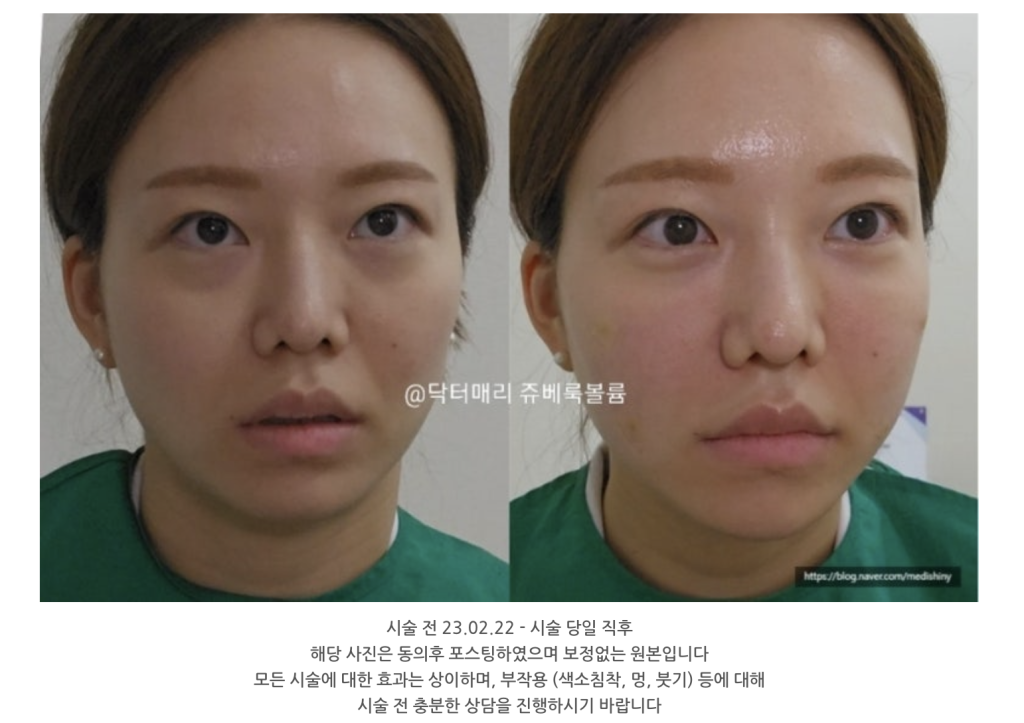
Both sides: done.
I’ve never thought I looked particularly “old,” but seeing the before-and-after photos was a reality check. My front cheeks and nasolabial fold area were much more hollow than I realized—and it really affected my overall complexion.
Why Cannula Filler Work Requires Skill (and Aesthetics)
Procedures done with a cannula—whether it’s Juvederm Voluma, other HA fillers, or collagen stimulators—require more than steady hands. You need solid anatomical knowledge, technique, and (most importantly) a good aesthetic eye.
Knowing where to add support is important—but knowing where not to inject is just as crucial for keeping results natural.
Before the procedure
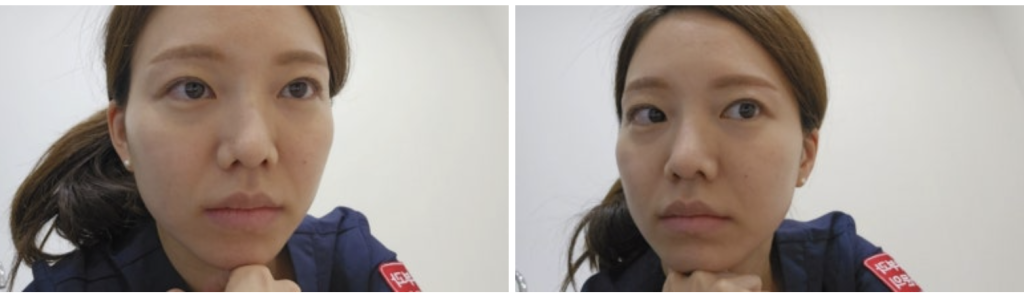
Ah… I truly hate facial volume loss.
And here are my more recent results after treatment:
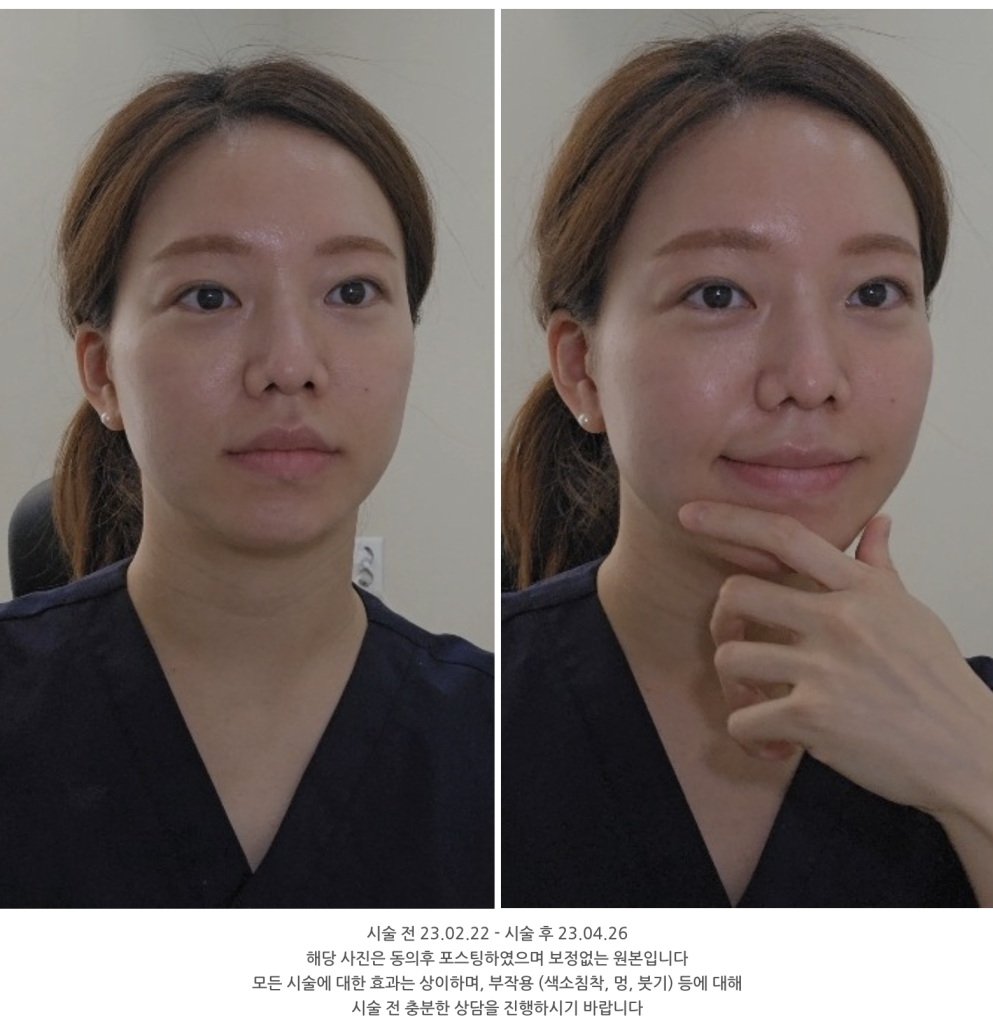
The product is settling beautifully.
Even though this was a self-treatment (again—please don’t do this), the plan and placement turned out even better than I expected.
After delaying it for so long, finally getting it done feels incredibly refreshing.
I genuinely wondered if I could do it safely on my own face, but thankfully everything went smoothly.
And of course, when my patients receive this treatment, it’s prepared and performed with the same careful process—just in the proper clinical setting, with full safety protocols.
Final Thoughts
That wraps up my Juvederm Voluma self-treatment review.
Thanks for reading.