Seborrheic Keratosis Removal Laser Treatment at Hev Clinic
This post was written in accordance with the Medical Service Act and was created by a medical institution operated by a board-certified dermatologist at Hev Clinic, with the consent of the patient who received treatment.
It is not intended to emphasize treatment effects or personal treatment experiences, but rather to provide general information about dermatology and aesthetic procedures.
The photos used in this post meet the following conditions:
- The same individual appears in both the before and after photos.
- The dates when the photos were taken before and after treatment are specified.
- The photos were taken under the same conditions.
This post provides various medical information, including possible side effects that may occur from the procedure. In accordance with Article 56, Paragraph 2, Subparagraph 7 of the Medical Service Act, diagnoses and treatment results may vary depending on the individual, and both effects and side effects may differ from person to person.
※ This article was written directly by the director of Hev Clinic for the purpose of providing information about dermatologic and aesthetic procedures.
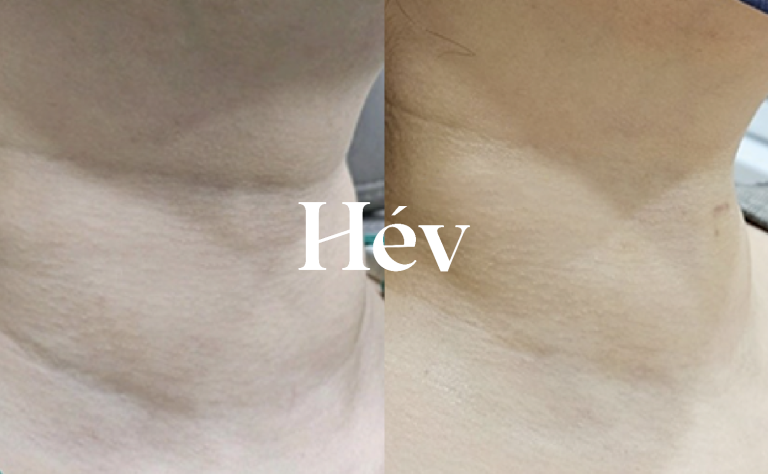
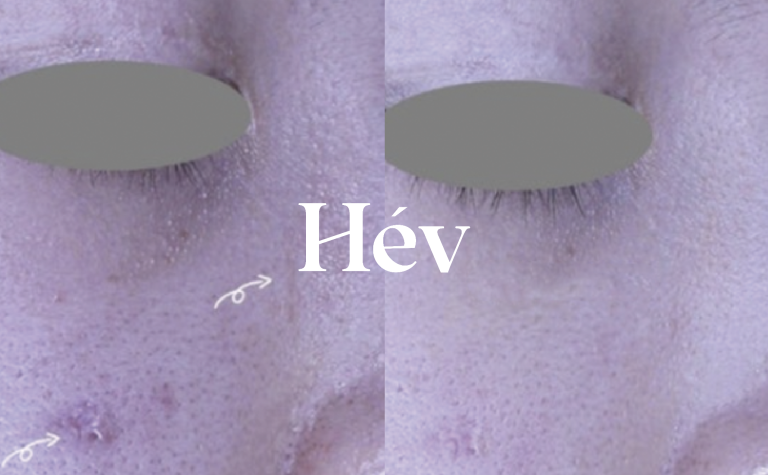
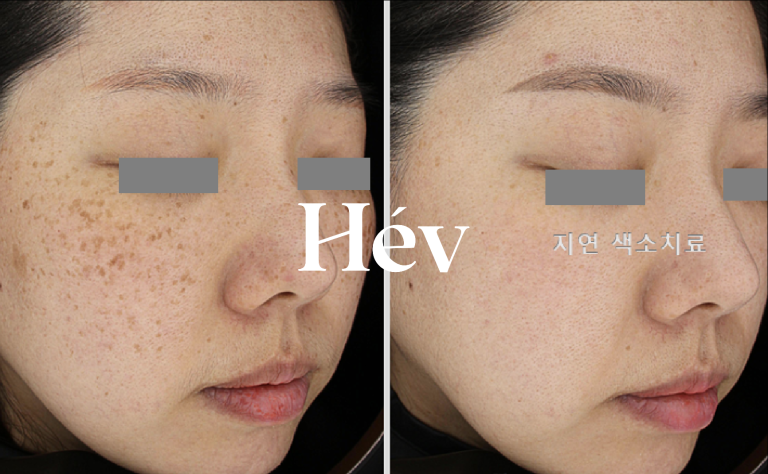
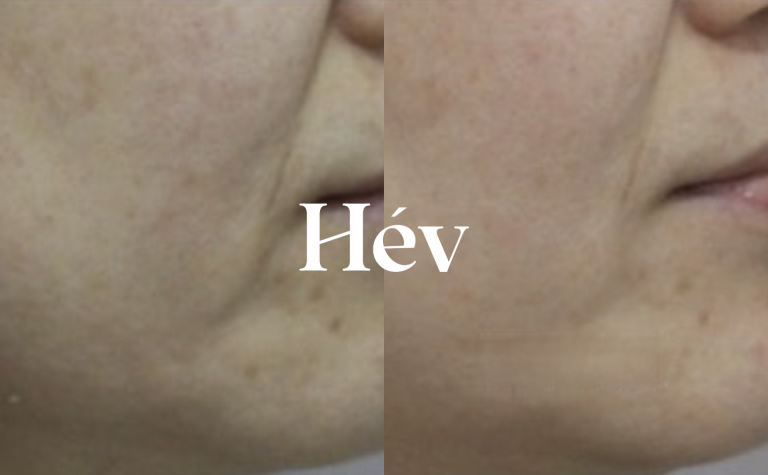
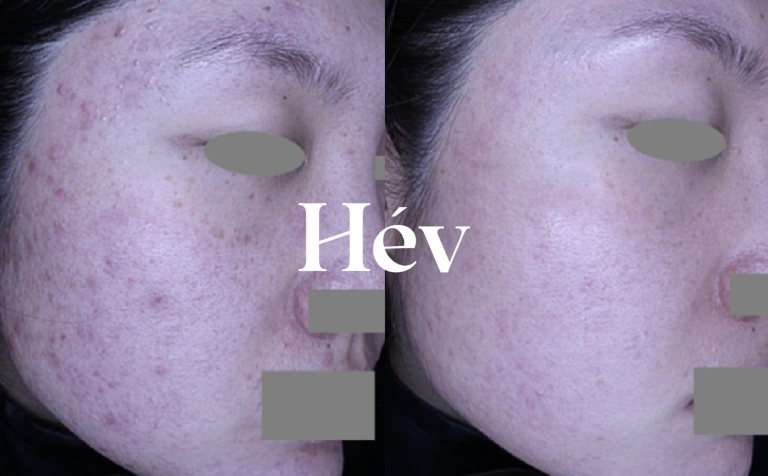
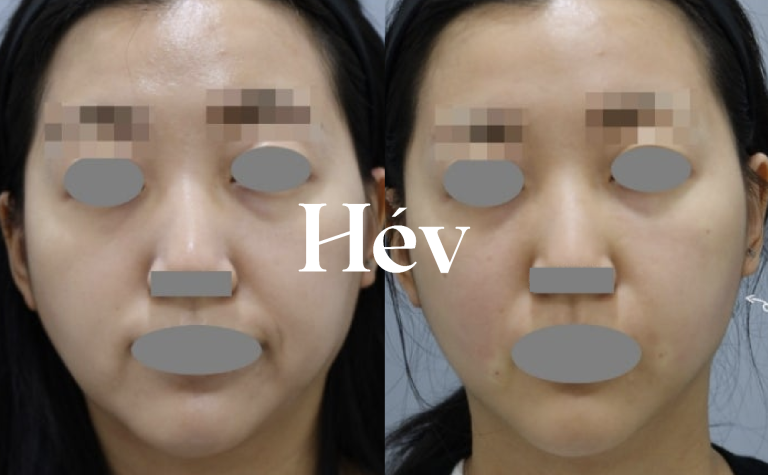
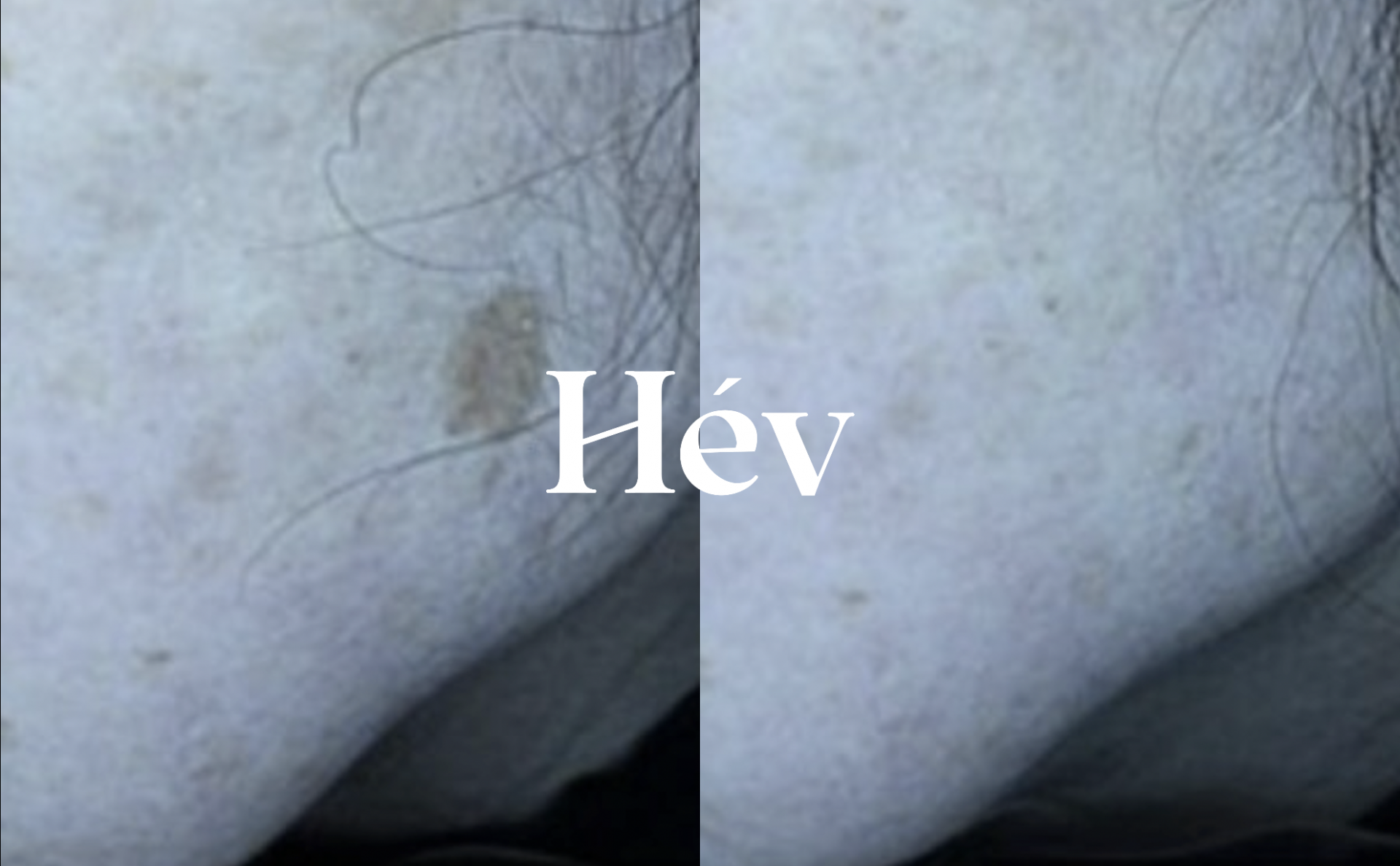
This post shares real results from a seborrheic keratosis removal laser treatment.
Before: 2024.01.15 | After: 2024.02.08
Photos are shared with the patient’s consent and are unedited, original images taken by the same person in the same location for a fair comparison.
Important: Results vary from person to person. Please schedule a thorough consultation in advance to review potential side effects such as post-inflammatory pigmentation, bruising, or swelling.
What Is Seborrheic Keratosis?
These days, many patients come in already using the correct term, “seborrheic keratosis.” Still, the most common questions we hear are:
- “What is this?”
- “Is it a mole?”
- “Could it be melasma or an age spot?”
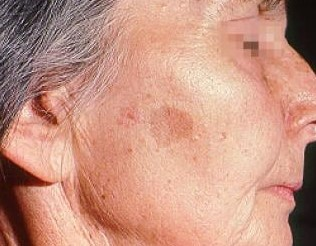
Reference image courtesy of Medscape.
Seborrheic keratoses are often larger than typical moles, and once they show up, they can be hard to ignore—especially on the face.
Even one lesion can make the face look noticeably older.
They’re closely associated with aging and photoaging (sun damage), which is why they’re more common in people in their 30s, 40s, 50s, and beyond rather than in the teens or twenties.
If you notice them on your face—or on a parent’s face—removing them sooner rather than later can help you feel more confident and avoid ongoing worry.
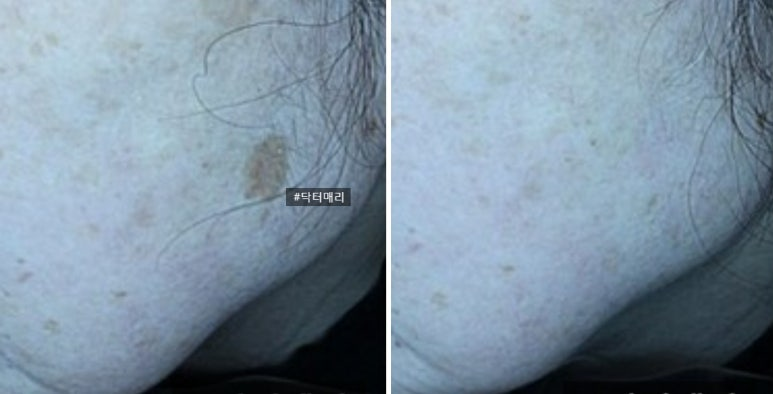
Before & After: Laser Treatment Results
If this is your first time considering seborrheic keratosis laser removal, it’s normal to feel a bit nervous. To help set realistic expectations, we’re sharing these before-and-after photos with the patient’s permission (consent form signed).
Thank you.