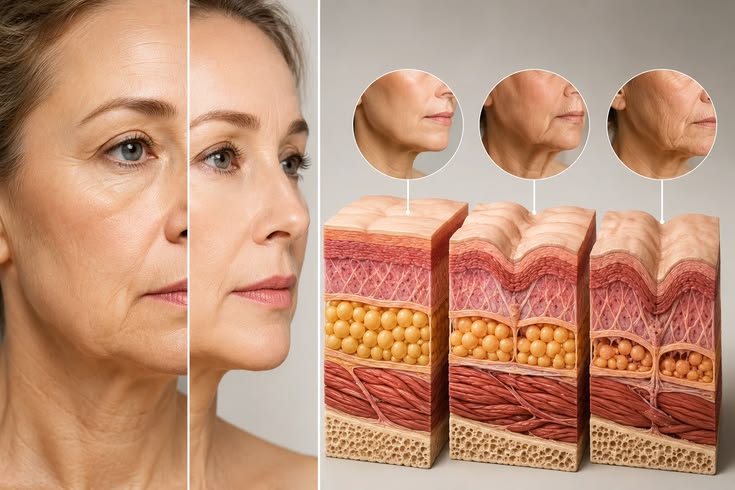
When to Start Lifting Treatments: A Preventive Skin-Aging Guide for Your 20s and 30s
For many people in their 20s and 30s, the question is not only which lifting treatment to choose, but when to begin.
In aesthetic dermatology, early care does not necessarily mean aggressive treatment. Instead, it can mean recognizing subtle changes in skin elasticity, facial contours, and collagen support before wrinkles and sagging become more pronounced.
For international visitors planning skin treatments in Korea, a personalized consultation can help determine whether a preventive lifting plan is appropriate for their current skin condition and travel schedule.
Why Early Wrinkle Care Can Be More Natural
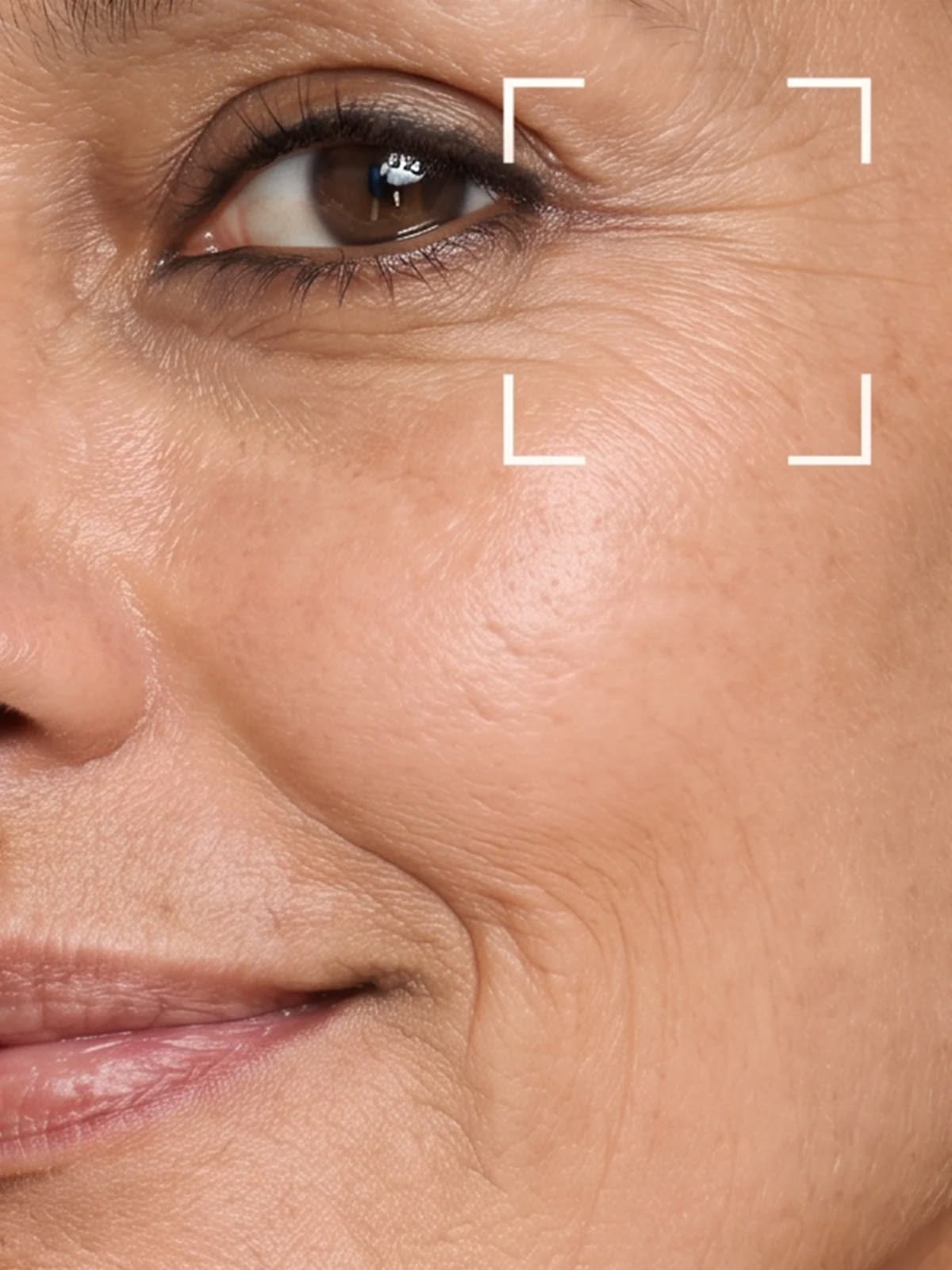
Wrinkles and facial laxity usually develop gradually. Early signs may include:
- Fine lines that appear when smiling or making facial expressions
- Makeup that no longer applies as smoothly
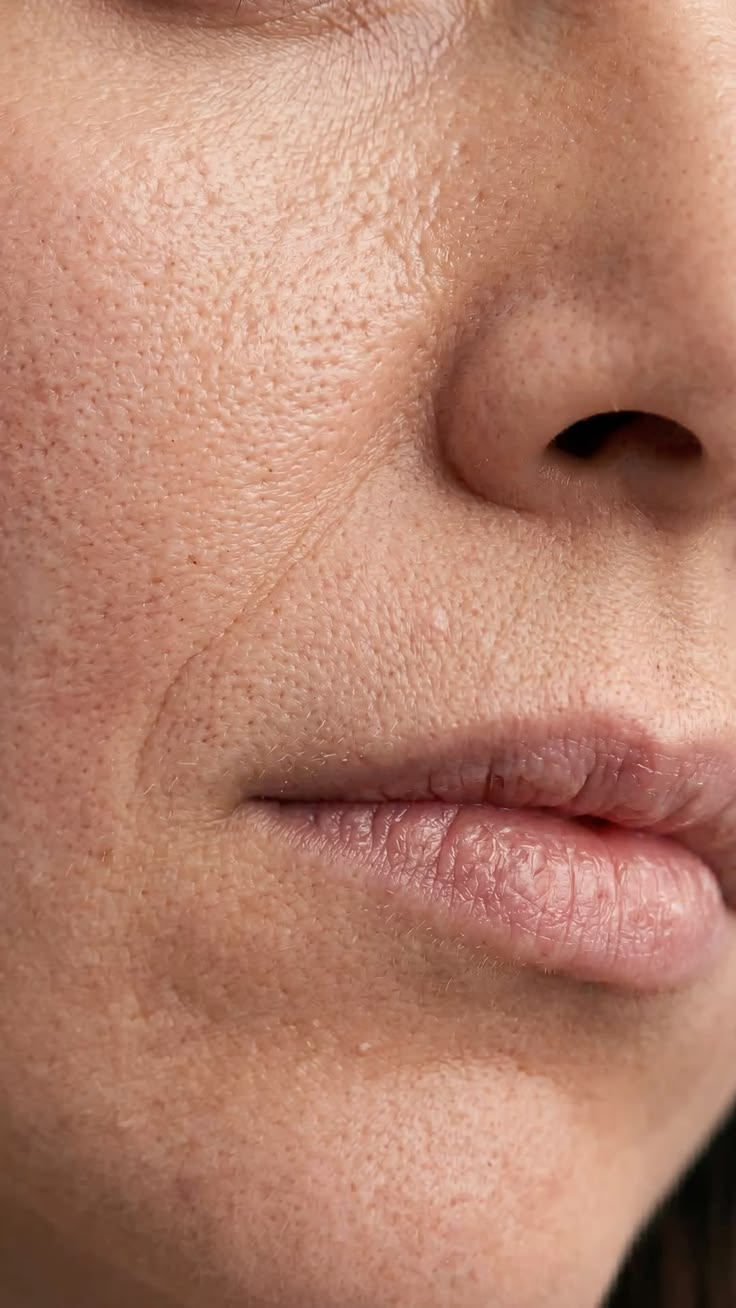
- Enlarged-looking pores or reduced skin density
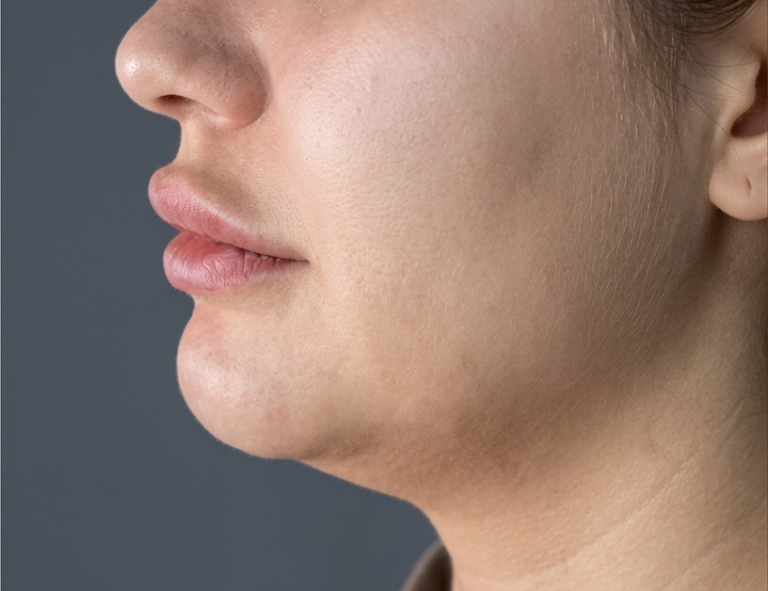
- A less defined jawline or facial contour
- Tired-looking skin, especially around the eyes and mouth
Over time, expression lines may remain visible even when the face is relaxed, while repeated folding of the skin can lead to deeper wrinkles.
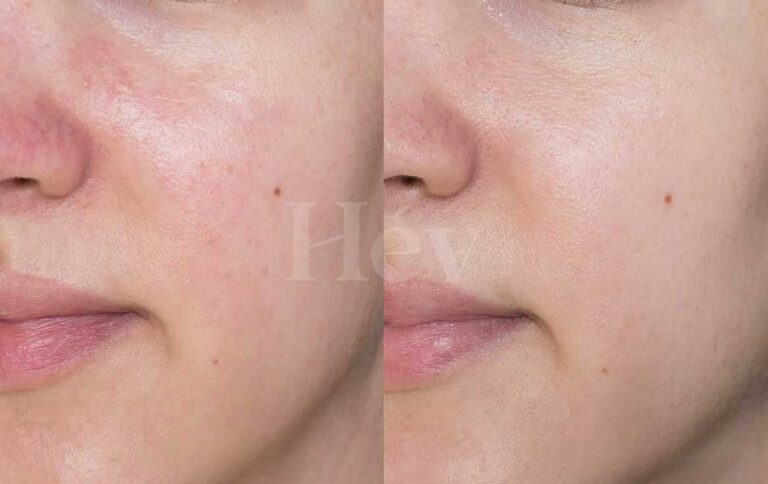
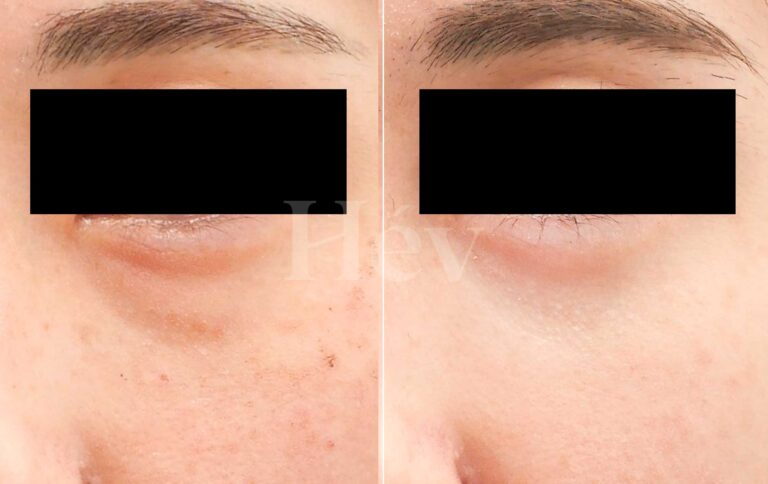
When these changes are addressed at an earlier stage, treatments may focus on supporting collagen production and maintaining skin elasticity. Once deep wrinkles, significant volume loss, or more advanced sagging have developed, a combination approach may be needed.
Collagen Production Starts Declining Earlier Than Many People Expect
Collagen is an important structural protein that helps keep the skin firm, smooth, and resilient. Beginning in the late 20s, the body’s natural collagen production gradually decreases.
By the 30s, some people begin to notice changes such as:
- Reduced bounce or elasticity
- Fine lines around the eyes and mouth
- Less distinct facial contours
- Increased visibility of pores
- Changes in the way foundation or makeup sits on the skin
These changes do not always mean that intensive treatment is necessary. However, they can be a useful signal to consider a skin assessment and discuss preventive options with a qualified medical professional.
There Is No “Right Age” for Lifting Treatments
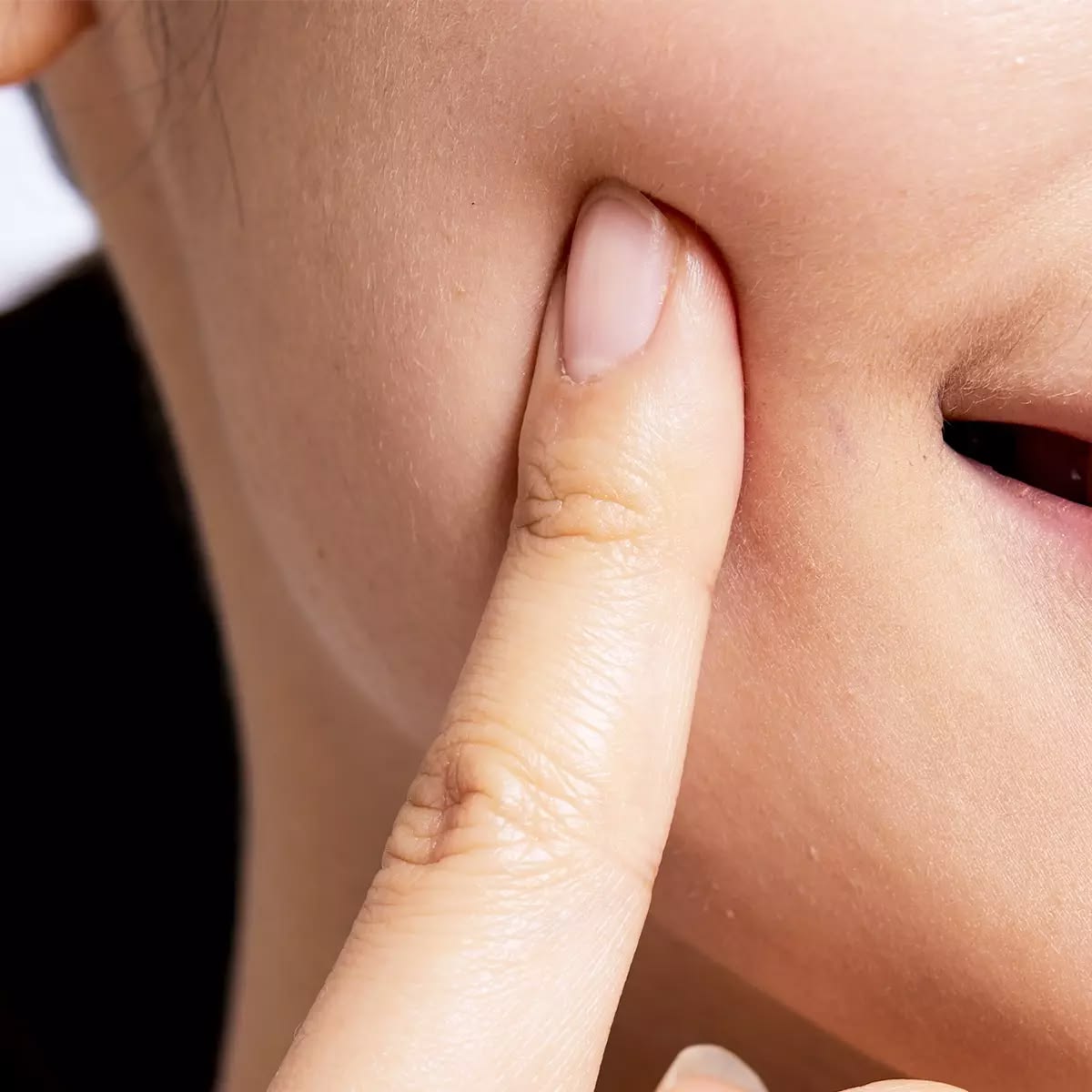
Lifting treatment is not determined by age alone. Skin thickness, facial volume, bone structure, sun exposure, lifestyle, and individual collagen production all affect how and when signs of aging appear.
For patients in their 20s and 30s, the goal is generally not to create an overly tight or altered appearance. Preventive lifting care may instead aim to:
- Support skin elasticity
- Encourage collagen remodeling
- Maintain a balanced facial contour
- Address early fine lines and textural changes
- Help slow the visible progression of sagging
A detailed consultation is especially important for younger patients, as excessive treatment may not be suitable for every facial shape or skin condition.
Choosing a Device Based on Your Skin and Facial Structure
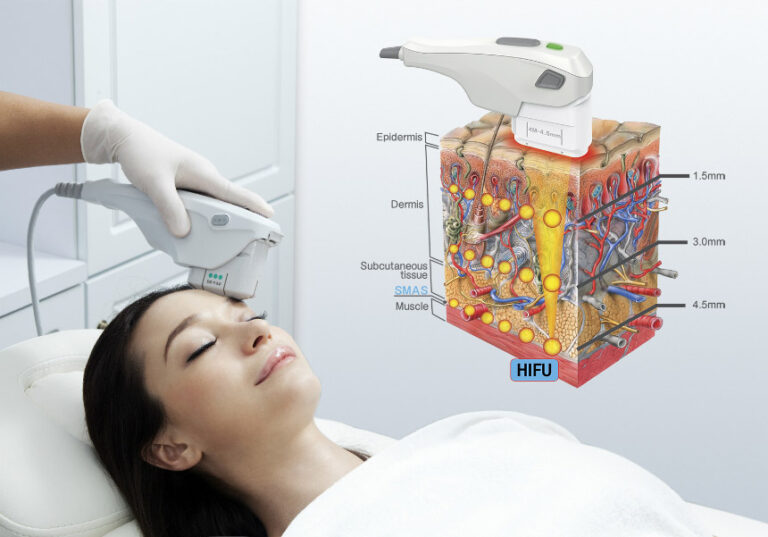
Different energy-based devices work at different depths of the skin and may be recommended according to the patient’s individual concerns.
Ultherapy: Deep Ultrasound Lifting
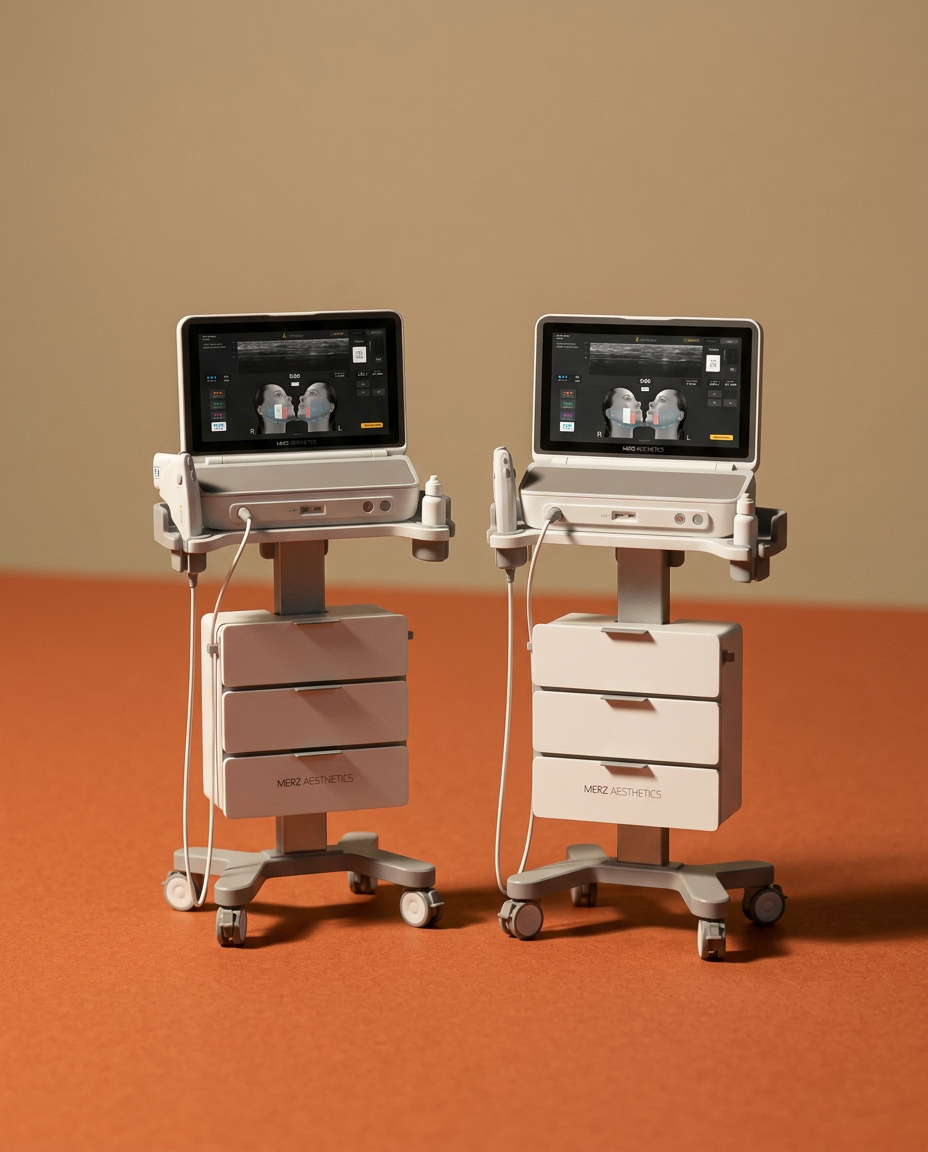
Ultherapy uses micro-focused ultrasound to deliver controlled thermal energy to deeper tissue layers. It may be considered for patients concerned about early jawline laxity, a softening lower-face contour, or mild-to-moderate sagging.
However, treatment planning should be conservative and precise. In patients with limited facial volume, overly aggressive treatment may not be appropriate, as maintaining natural facial fullness is an important part of a balanced result.
Thermage: Radiofrequency for Skin Density and Elasticity
Thermage uses monopolar radiofrequency energy to heat deeper skin layers and support collagen remodeling. It is often considered by patients concerned about overall skin firmness, fine lines, pore visibility, and changes in skin texture.
For individuals in their early 30s, it may be part of a maintenance-focused plan when the main concern is reduced skin density rather than significant sagging.
Ultrasound Treatments for Fine Lines and Delicate Areas
Some ultrasound-based treatments target more superficial layers of the skin. Depending on the device and treatment plan, they may be used for fine lines, reduced elasticity around the eyes and mouth, and areas with thinner skin.
The most appropriate device, energy setting, and treatment interval should always be determined after an in-person medical evaluation.
Why Lifting Devices May Be Combined With Skin-Regenerative Care
Lifting treatments are not always the complete answer. Skin that is dry, sensitive, depleted, or slow to recover may benefit from a plan that also focuses on hydration, barrier support, and regenerative care.
Depending on the patient’s needs, a physician may recommend treatments such as skin boosters, collagen-stimulating procedures, or other regenerative therapies alongside energy-based lifting.

Combination treatment may be considered when there are multiple concerns:
- Volume loss: Collagen stimulators or fillers may be discussed.
- Sagging: Ultrasound lifting may be considered.
- Fine lines and reduced elasticity: Radiofrequency treatments and skin boosters may be combined.
- Dry or weakened skin quality: Regenerative or hydration-focused care may be recommended first.
Not every patient needs multiple procedures. A customized plan should prioritize safety, natural-looking results, and the patient’s actual skin needs.
Planning Lifting Treatment During Your Visit to Korea
Medical tourists should consider treatment timing carefully, particularly if they have a busy itinerary, important event, or long-haul flight planned.
Many non-surgical lifting treatments allow patients to return to daily activities relatively quickly, but temporary redness, swelling, tenderness, or sensitivity can occur. Some treatments may also produce results gradually as collagen remodeling develops over several weeks to months.
Before traveling, it is helpful to share:
- Your planned arrival and departure dates
- Any upcoming events, photoshoots, or weddings
- Your previous aesthetic treatment history
- Current medications, allergies, and medical conditions
- Whether you have received fillers, threads, Botox, or energy-based treatments recently
At HEV Dermatology, a consultation can help you choose an approach that fits both your skin condition and your time in Seoul.
A Personalized Approach Is the Key to Preventive Lifting
The best time to consider lifting is not necessarily after deep wrinkles or major sagging have appeared. For many patients, it is when they first notice subtle changes in elasticity, texture, or facial definition.
Early, appropriately selected care may help maintain the skin’s foundation and support a natural appearance over time. However, treatment should never be based on age or trends alone.
At HEV Dermatology, treatment plans are designed after evaluating skin elasticity, facial volume, degree of laxity, and individual aesthetic goals. Our medical team can help international patients explore suitable options for maintaining healthy, balanced-looking skin.
Start your journey with a free online consultation!
Once you submit the form, our doctor will carefully review your information and get back to you with personalized treatment recommendations.


Hév Seoul branch
LOCATION
|
Monday – Friday |
10:00 AM – 8:00 PM |
|
Lunch Break |
1:00 PM – 2:00 PM |
|
Saturday (no lunch break) |
10:00 AM – 4:00 PM |
Note: This article was translated and published from the original with consent from the author.