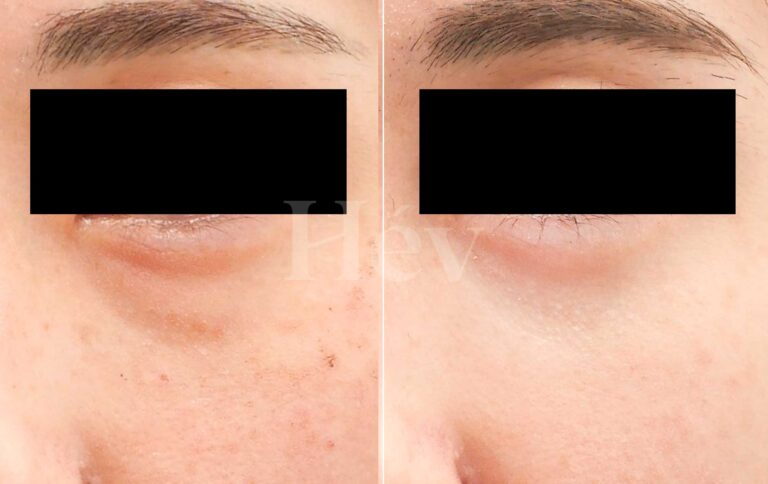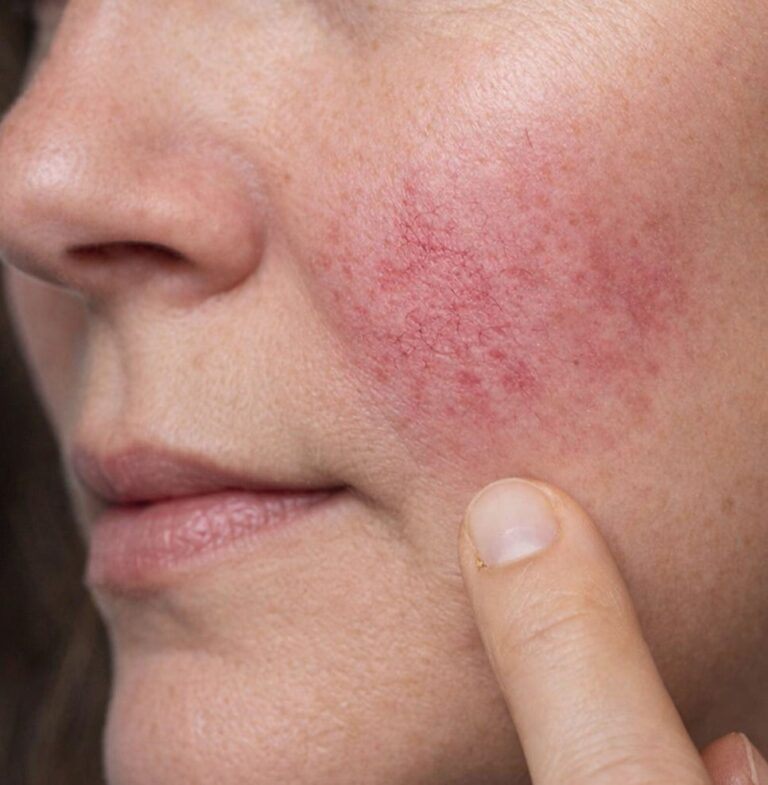
Ulthera vs Thermage: Complete Guide to Ulthermage Combination Lifting and Tightening in Korea
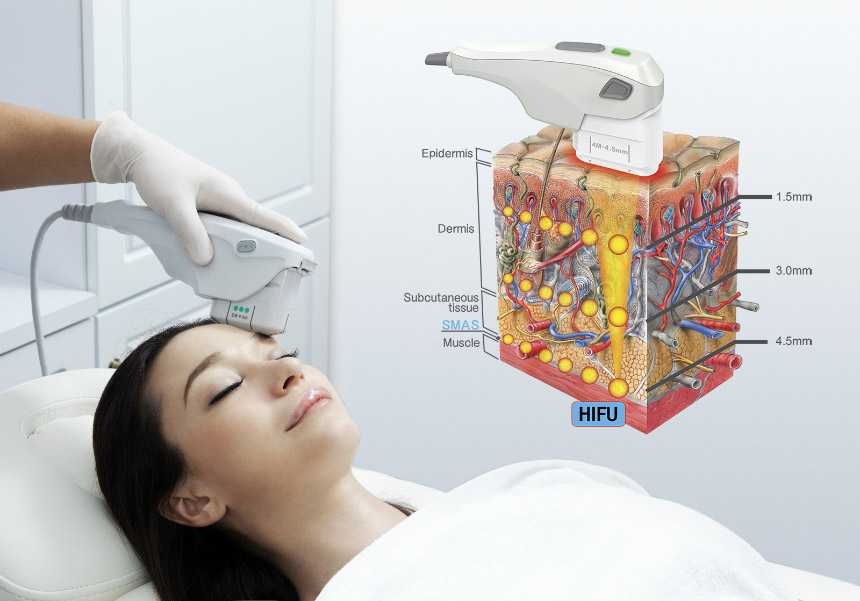
For patients seeking non-surgical facial rejuvenation in Korea, Ulthera and Thermage are two of the most widely discussed energy-based treatments. Although both can help improve skin laxity, they use different technologies and target different tissue layers.
When thoughtfully combined—often called “Ulthermage”—these treatments may address both deeper structural laxity and more superficial skin firmness. The right approach depends on your facial anatomy, skin thickness, degree of sagging, and volume loss.
What Is Ulthera?
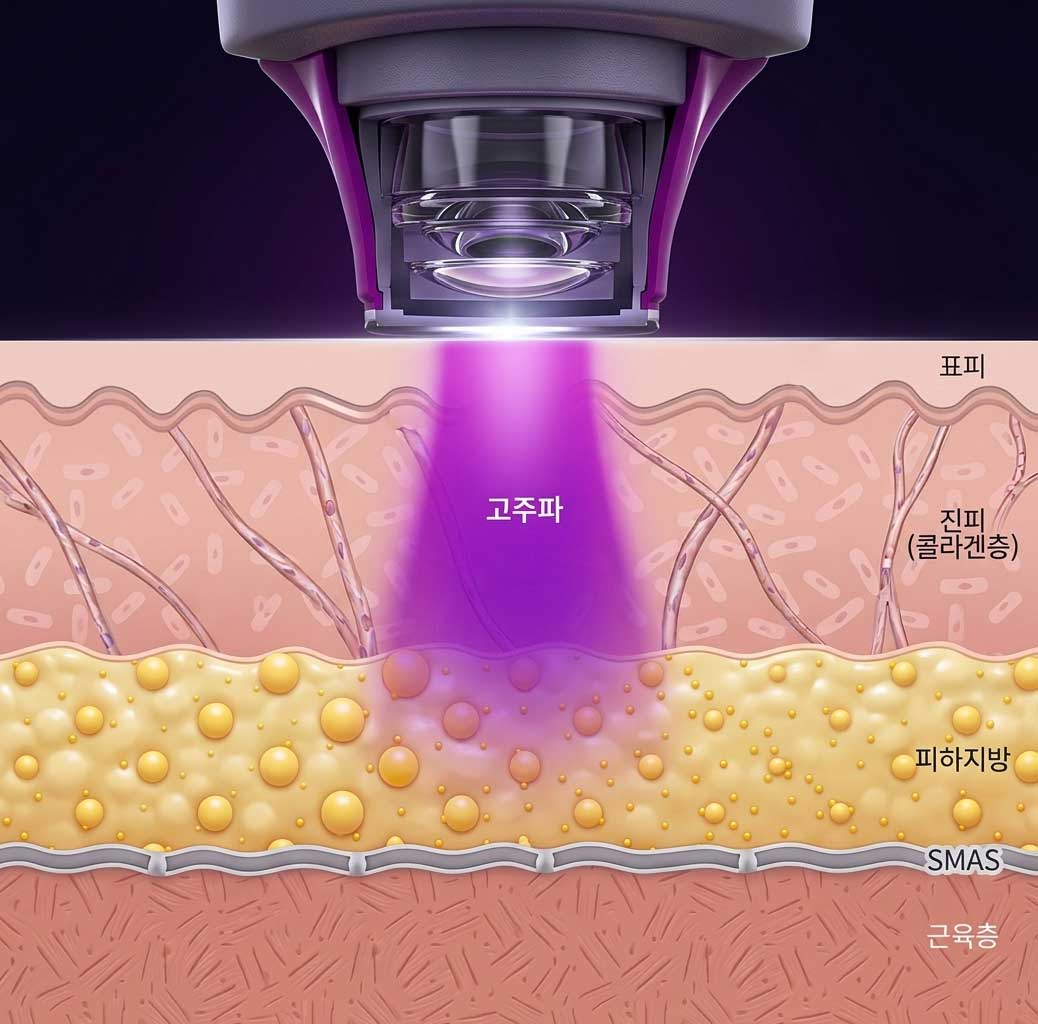
Ulthera is a high-intensity focused ultrasound (HIFU) treatment designed to deliver focused thermal energy to specific depths beneath the skin.
Its main purpose is to create small, controlled thermal coagulation points in deeper tissue layers, including areas near the SMAS (superficial musculoaponeurotic system) layer. This process may support tissue contraction and stimulate gradual collagen remodeling.
Ulthera is commonly considered for concerns such as:
- Mild to moderate facial sagging
- Reduced jawline definition
- Early jowl formation
- Brow or upper-face laxity
- Loss of support in deeper facial tissues
Because the ultrasound energy is focused at selected depths, Ulthera is generally used to address the structural component of facial laxity rather than surface texture alone.
What Is Thermage?
Thermage uses monopolar radiofrequency (RF) energy to create broad, volumetric heating in the dermis and subcutaneous tissue.
Rather than creating highly focused points at deep target layers, Thermage is intended to heat a wider area more evenly. This can support skin tightening and collagen remodeling over time.
Thermage may be suitable for patients concerned about:
- Reduced skin elasticity
- Fine lines and crepey texture
- Mild skin laxity
- Skin firmness in the face, neck, or body
- A smoother and more resilient skin appearance
While individual experiences vary, Thermage is often selected when the primary concern is skin quality and superficial-to-mid-depth firmness.
Ulthera vs. Thermage: Key Differences
| Feature | Ulthera | Thermage |
|---|---|---|
| Technology | High-intensity focused ultrasound (HIFU) | Monopolar radiofrequency (RF) |
| Primary target | Deeper tissue layers, including the SMAS region | Dermis and subcutaneous tissue |
| Main purpose | Structural lifting support | Skin tightening and elasticity |
| Energy delivery | Focused thermal coagulation points | Broad volumetric heating |
| Typical concern | Deeper sagging and loss of contour | Surface laxity, texture, and firmness |
Neither treatment is universally “better.” The appropriate option depends on whether your concerns are primarily related to deep tissue descent, skin laxity, or both.
What Is Ulthermage?
“Ulthermage” is a commonly used term for a treatment plan that combines Ulthera and Thermage.
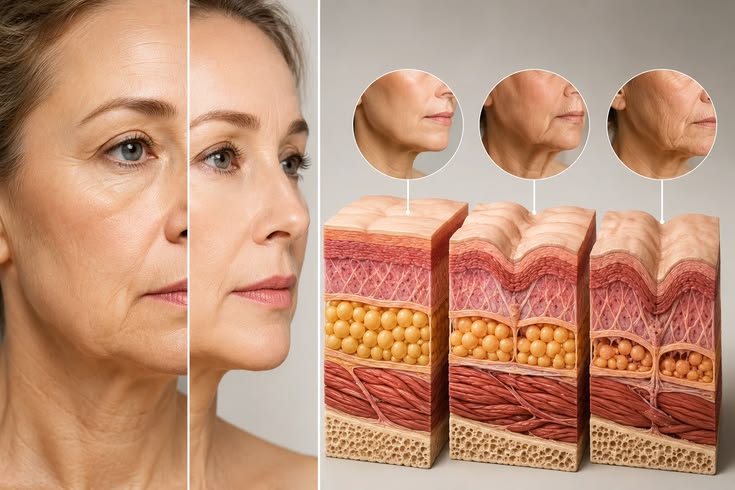
Facial aging does not occur in only one layer. Over time, deeper supporting tissues may descend while the skin itself loses collagen, elasticity, and firmness. A combination plan may therefore use:
- Ulthera to address deeper structural support and lifting
- Thermage to improve skin tightening and surface-level firmness
The goal is not simply to add more energy to the face. Effective combination treatment requires a personalized plan based on factors such as facial fat distribution, skin thickness, areas of laxity, and the direction in which tissues have descended.
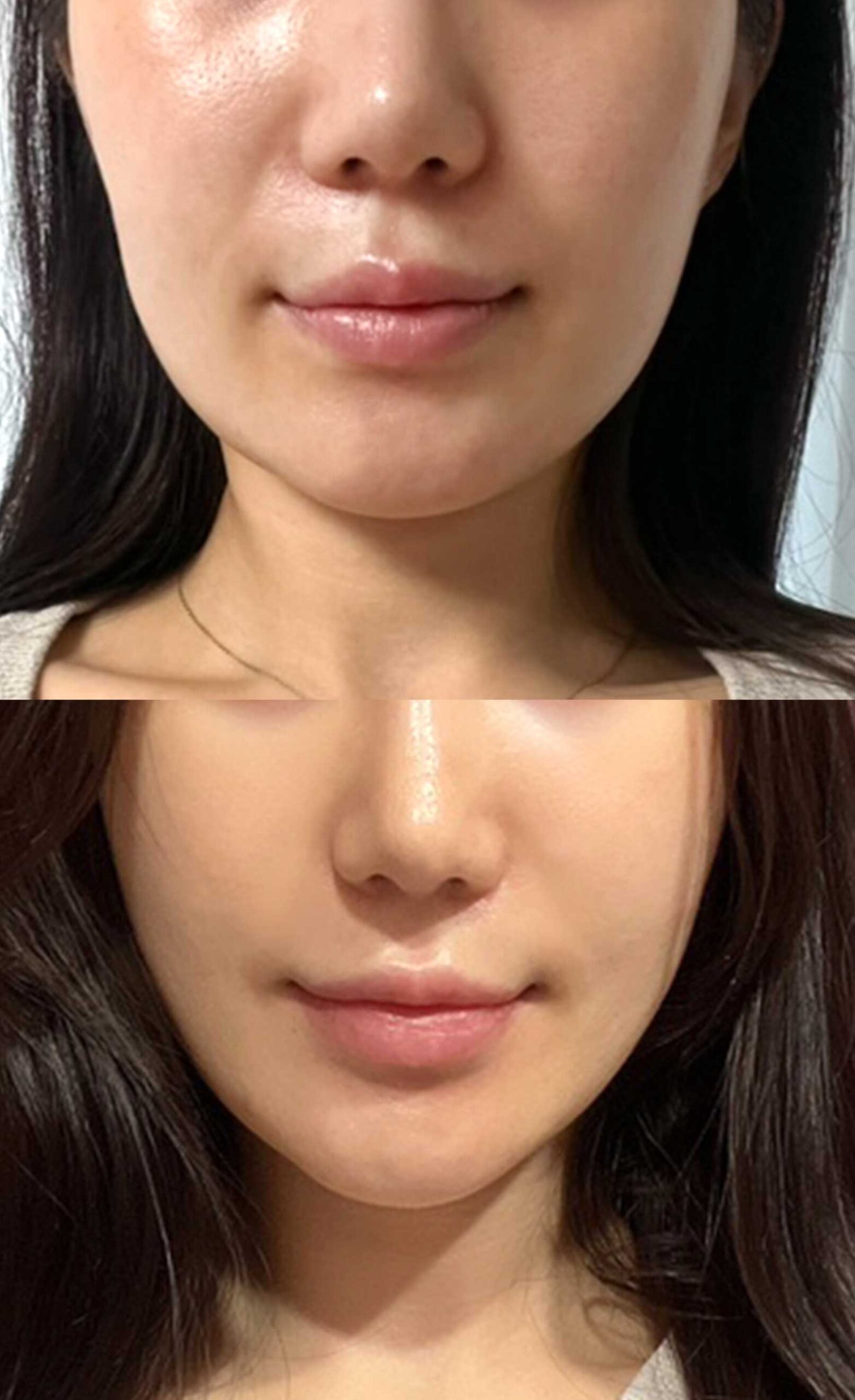
Who May Be a Good Candidate for Ulthermage?
A combined Ulthera and Thermage approach may be considered for patients who:
- Prefer a non-surgical treatment with minimal downtime
- Want gradual, natural-looking improvement rather than a dramatic surgical change
- Have concerns involving both deeper sagging and superficial skin laxity
- Wish to improve facial contour while supporting overall skin firmness
- Are able to attend an in-person consultation before treatment planning
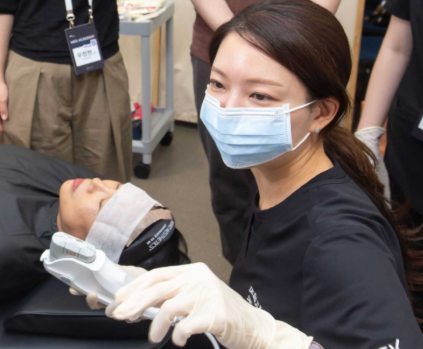
For international patients, consultation is especially important. Your physician should assess your skin and facial structure in person rather than recommend treatment based solely on photographs or a predetermined number of shots.
Important Limitations: What Ulthermage Cannot Do
Ulthera and Thermage can be useful options for selected cases of mild to moderate laxity, but they are not replacements for every type of facial rejuvenation treatment.
Ulthermage does not restore significant lost facial volume caused by fat loss or bone remodeling. It also may not provide the degree of correction expected from surgery in cases of advanced skin laxity.
Depending on your concerns, a physician may discuss other options, including:
- Dermal fillers for localized volume loss
- Collagen-stimulating injectables
- Skin booster treatments
- Thread lifting in selected cases
- Surgical lifting procedures for more advanced laxity
A balanced treatment plan should address the true cause of the concern—not just apply energy to every area of the face.
Why More Shots or Higher Energy Is Not Always Better
It is a common misconception that more treatment shots or stronger energy settings always produce better outcomes.
In reality, excessive or poorly distributed energy may increase the risk of complications, including:
- Burns
- Prolonged swelling or discomfort
- Unwanted fat reduction or fat atrophy
- Uneven texture or contour irregularities
Treatment safety and quality depend heavily on proper energy distribution, appropriate depth selection, and an individualized treatment design. For this reason, it is important to receive treatment from a qualified medical professional with experience in energy-based facial procedures.
How Long Do Ulthera and Thermage Results Last?
Results and longevity vary from person to person. Factors that may affect the duration of improvement include:
- Age
- Baseline skin elasticity
- Degree of facial laxity
- Lifestyle and sun exposure
- Weight changes
- Smoking status
- Individual collagen response and rate of aging
Rather than following a fixed schedule without reassessment, many patients benefit from periodic evaluation. Retreatments can be considered when a decline in skin firmness or contour becomes noticeable again.
Frequently Asked Questions
Can I receive Ulthera or Thermage alone?
Yes. If your main concern is deeper tissue laxity or contour changes, Ulthera alone may be appropriate. If surface elasticity and skin firmness are your primary concerns, Thermage alone may be sufficient.
When both deeper sagging and superficial laxity are present, a combination approach may be discussed.
Can Ulthermage restore lost facial volume?
No. Ulthera and Thermage are not volume-restoring treatments. If facial hollowing or volume loss is the main concern, fillers or collagen-stimulating treatments may be recommended as part of a personalized plan.
Is there a fixed treatment interval?
There is no single treatment interval that applies to everyone. The ideal timing depends on your skin condition, treatment response, and how quickly laxity returns over time.
Is combination treatment safe for international patients visiting Korea?
Treatment may be appropriate for international visitors when it is planned after a medical consultation and performed by an experienced clinician. Travelers should also allow sufficient time in Korea for consultation, treatment, and early follow-up if needed. Your clinic should provide clear aftercare instructions before you travel home.
Planning Your Treatment in Korea
For medical tourists, it is best to schedule an in-person consultation before finalizing your procedure plan. A qualified physician can determine whether Ulthera, Thermage, a combination treatment, or an alternative approach is most appropriate for your goals and anatomy.
Non-surgical lifting treatments can offer subtle, gradual improvements, but realistic expectations are essential. The safest and most natural-looking results come from a customized treatment plan—not from using the highest energy setting or the largest number of shots.
Start your journey with a free online consultation!
Once you submit the form, our doctor will carefully review your information and get back to you with personalized treatment recommendations.


Hév Seoul branch
LOCATION
|
Monday – Friday |
10:00 AM – 8:00 PM |
|
Lunch Break |
1:00 PM – 2:00 PM |
|
Saturday (no lunch break) |
10:00 AM – 4:00 PM |
Note: This article was translated and published from the original with consent from the author.