Age Spot (Liver Spot) Removal FAQs – Hev Clinic in Korea
This post was written in accordance with the Medical Service Act and was created by a medical institution operated by a board-certified dermatologist at Hev Clinic, with the consent of the patient who received treatment.
It is not intended to emphasize treatment effects or personal treatment experiences, but rather to provide general information about dermatology and aesthetic procedures.
The photos used in this post meet the following conditions:
- The same individual appears in both the before and after photos.
- The dates when the photos were taken before and after treatment are specified.
- The photos were taken under the same conditions.
This post provides various medical information, including possible side effects that may occur from the procedure. In accordance with Article 56, Paragraph 2, Subparagraph 7 of the Medical Service Act, diagnoses and treatment results may vary depending on the individual, and both effects and side effects may differ from person to person.
※ This article was written directly by the director of Hev Clinic for the purpose of providing information about dermatologic and aesthetic procedures.
We’re continuing our black spot (dark spot) removal series this month too.
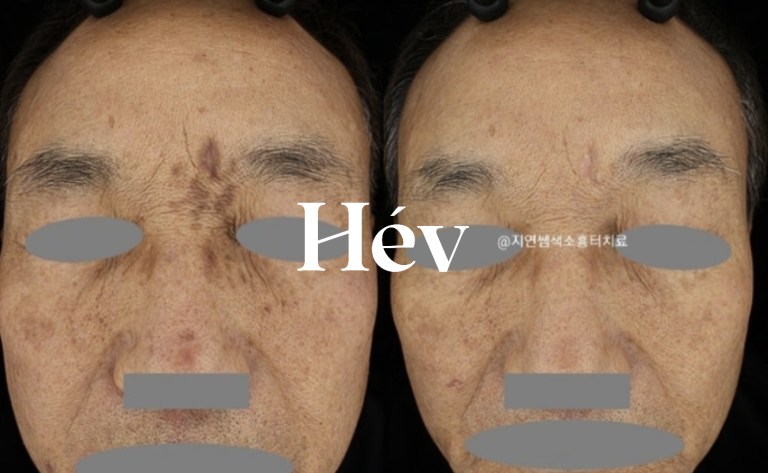
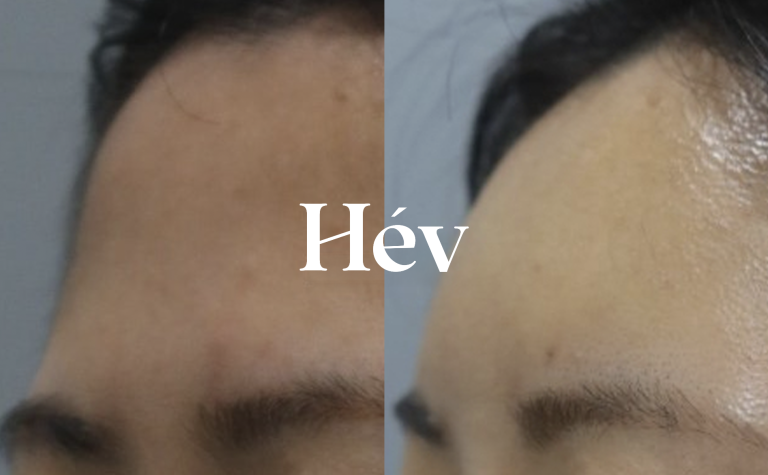
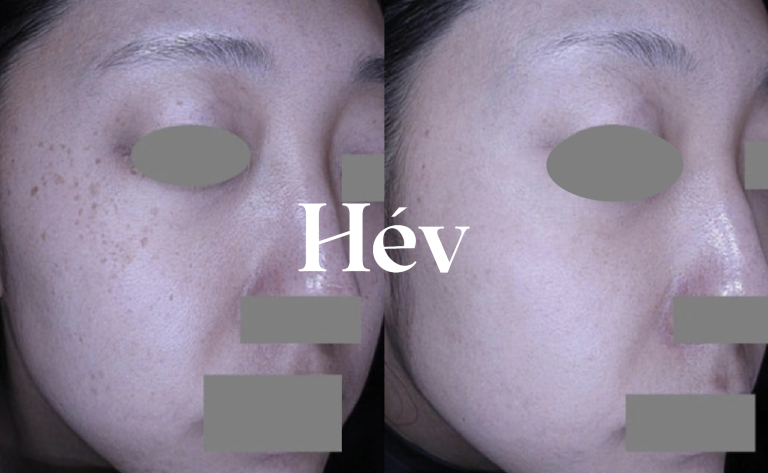
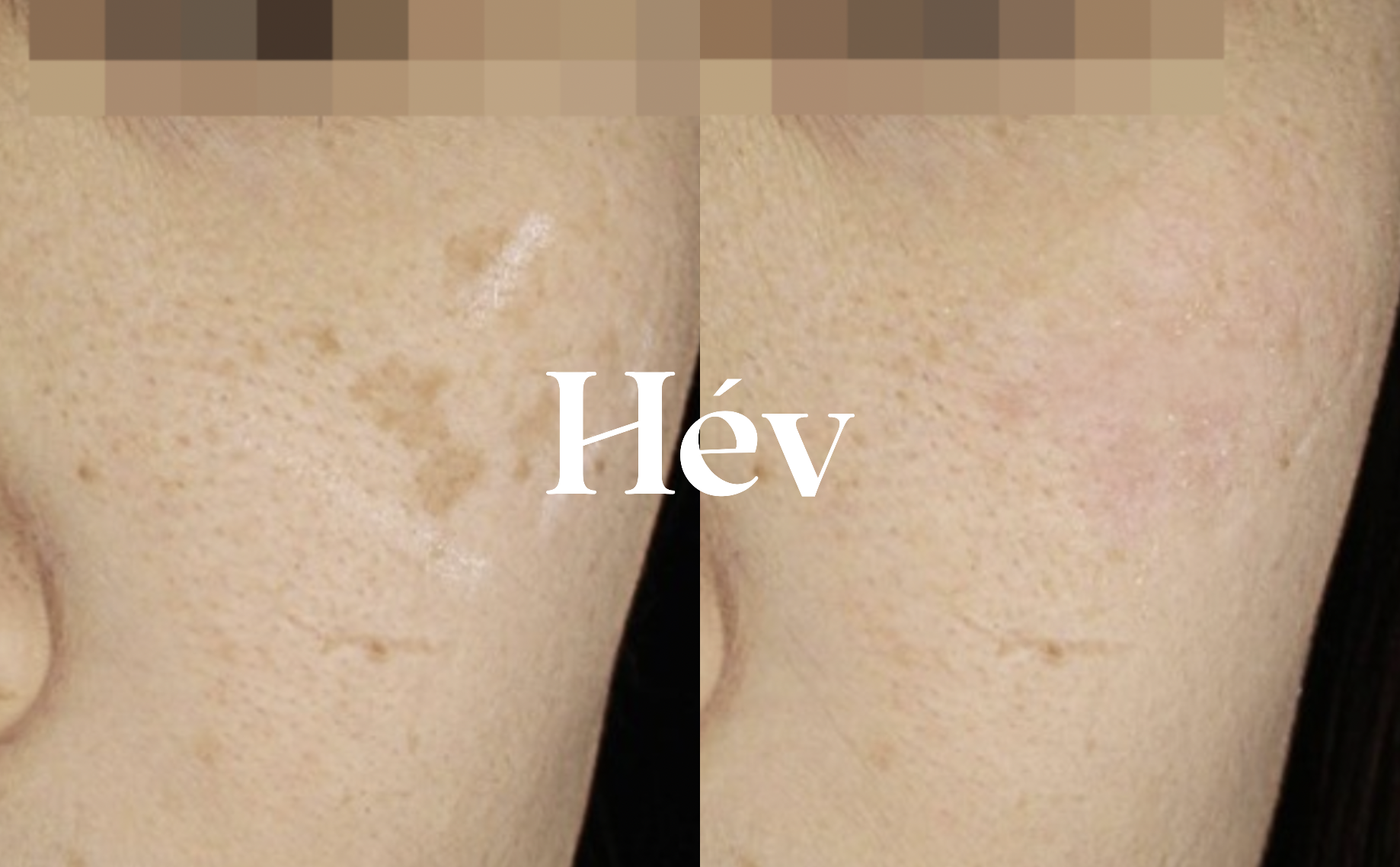
Pre-procedure: 2024.05.07 | Post-procedure: 2024.06.19
All photos in this post are shared with consent and show the same person, photographed in the same location, with no retouching or filters.
Results vary by individual. Please make sure you have a thorough consultation in advance about possible side effects such as pigmentation, bruising, redness, swelling, and downtime.
We get a lot of questions about black spot removal, and many patients come in after researching carefully. One important point: these days, some spots that look like “black spots” at first glance are actually diagnosed as melasma.
Since it can be hard to know what treatment you need (and where to get it), I’ve put together the top 3 questions we hear most often in the clinic.
1. How many treatment sessions are shown in these photos?
These results are from just one session.
While I’ve been performing this treatment for several years, the clinic itself has been open for less than a year—so we don’t have many long-term follow-ups yet (1–3+ years).
For now, we’re sharing first-session before-and-after photos. I’ll continue posting updates after the 2nd and 3rd sessions as more cases follow up.
Extra Question 1-1: Did the spot disappear completely after one session?
Rather than saying it “disappeared completely,” it’s more accurate to say it became much lighter—often barely noticeable after one session.
If a spot doesn’t clear enough with one treatment, additional sessions may be recommended.
(Every photo in this post shows results after a single session.)
Extra Question 1-2: Are there any side effects?
Most patients do well without major issues. That said, if someone has an unknown allergy to Duoderm, or if redness lasts longer than expected, we’ll monitor closely and provide appropriate aftercare.
I’ll cover side effects and aftercare in more detail in a future post to help you feel more confident when deciding on treatment.
2. What laser do you use for black spot removal?
Many people ask, “Do you use the Re:Pot laser?” Re:Pot has become very popular recently, and some patients even ask whether they should specifically request it.
The laser I use operates on the same wavelength and treatment principle as Re:Pot. I didn’t purchase a brand-new (and very expensive) device simply for name recognition—because the underlying technique and mechanism are essentially the same.
Also, investing in a new machine often leads to higher treatment prices. If our current laser is delivering reliable results, it’s more reasonable to provide effective treatment without unnecessary added cost. Of course, if I ever feel our current device is limiting outcomes, I’ll consider upgrading.
Fortunately, over the past few years, it hasn’t been a problem.
To be clear: the Fotona laser is absolutely not “inferior.” This isn’t a criticism of Re:Pot—Fotona is a trusted, widely used standard for pigment treatments.
3. How much does black spot removal cost?
Pricing depends mainly on (1) the size of each spot and (2) how many spots need treatment.
Even when the lesions are true black spots, pricing can vary depending on the laser type and the complexity of the design.
- Small, dot-sized spots: ~200,000 KRW each
- Larger spots (about 10–500 KRW coin size): ~300,000–1,000,000 KRW each
Traditional pigment laser plans often require 10+ sessions. That’s why this approach is drawing attention—because in some cases, it can be improved significantly in a single visit.
The patient featured here had multiple black spots in different sizes.
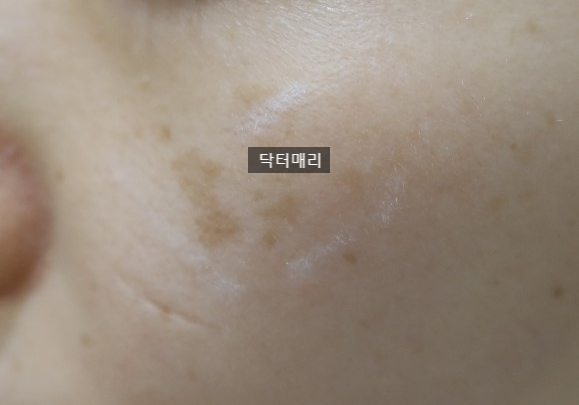
As always, we photographed the area with a pigment camera to support an accurate diagnosis and evaluate the lesion.
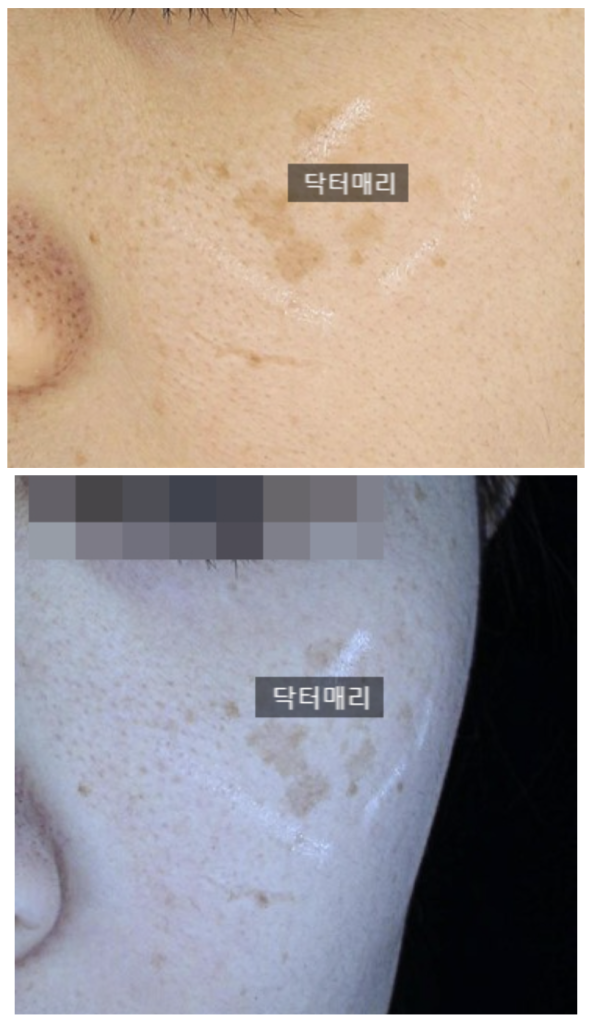
Because the pattern was irregular and uneven, it was a more delicate case—so we planned the treatment carefully and proceeded with a precise design.
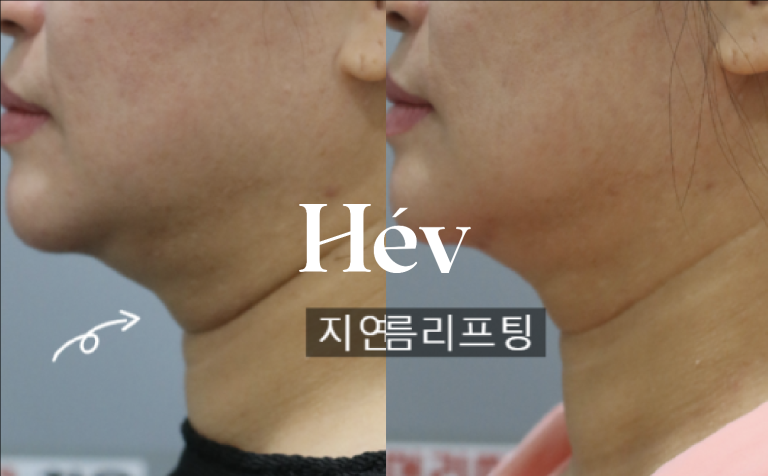
Before & after:
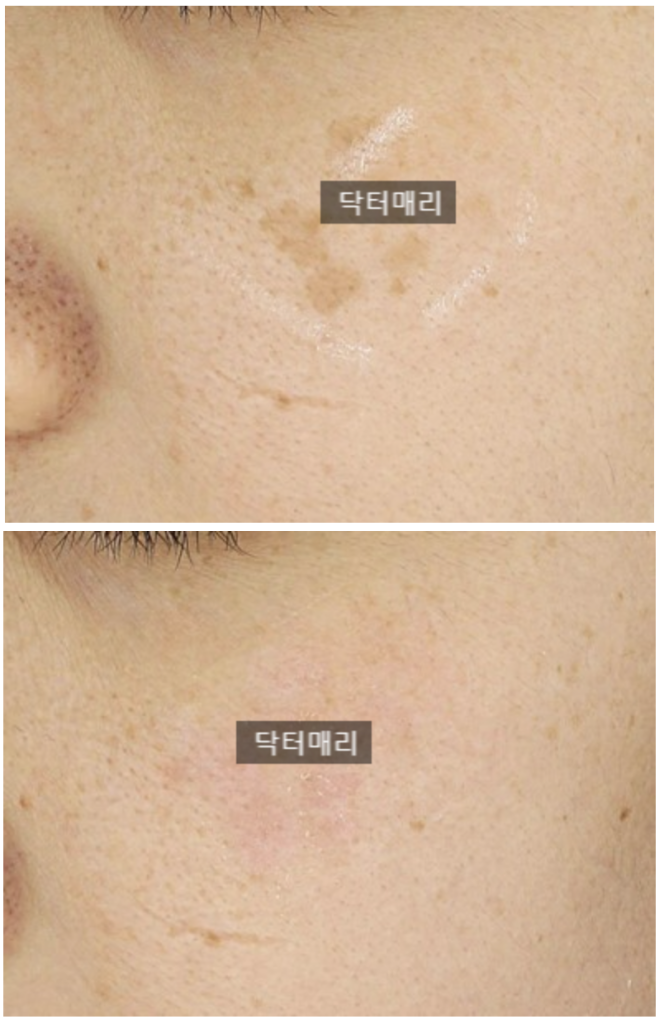
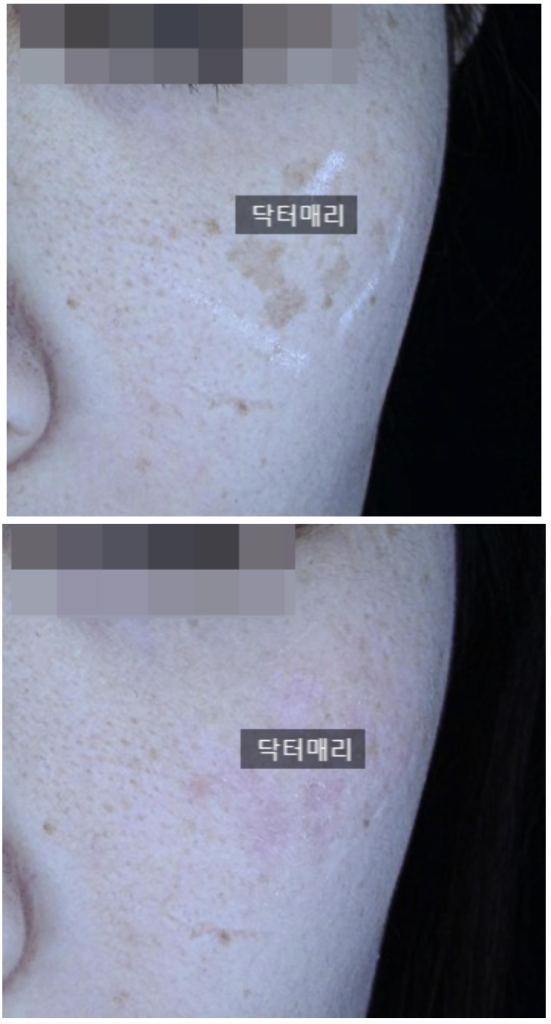
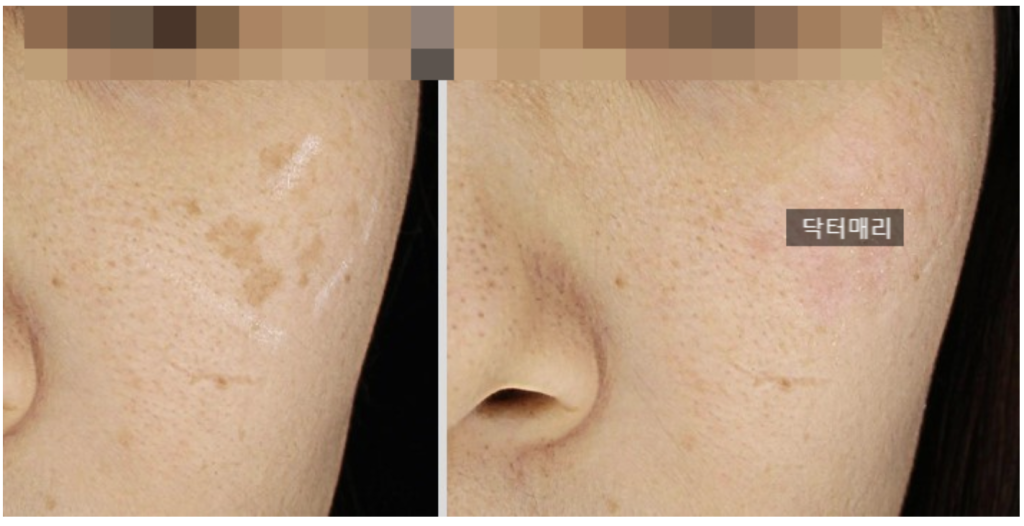
On the pigment camera, the remaining pigmentation is so light that it’s barely noticeable to the naked eye.
If you’re considering dark spot laser treatment for the first time and feel nervous, you’re not alone. That’s exactly why we requested permission to share these photos—so you can better understand what one session may look like.
Thank you for reading.