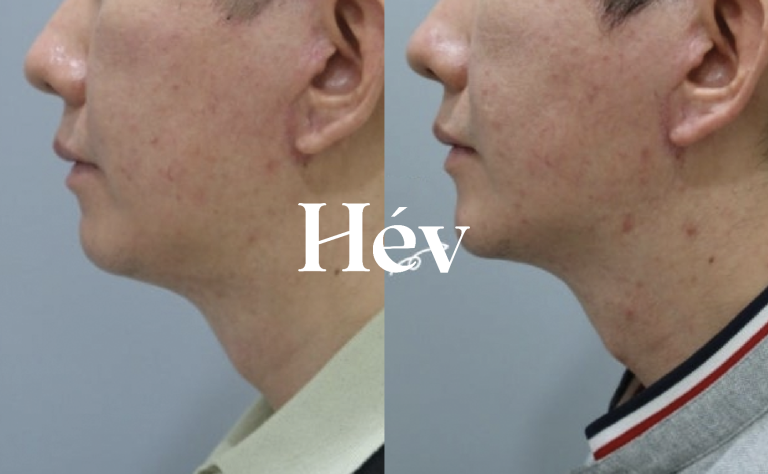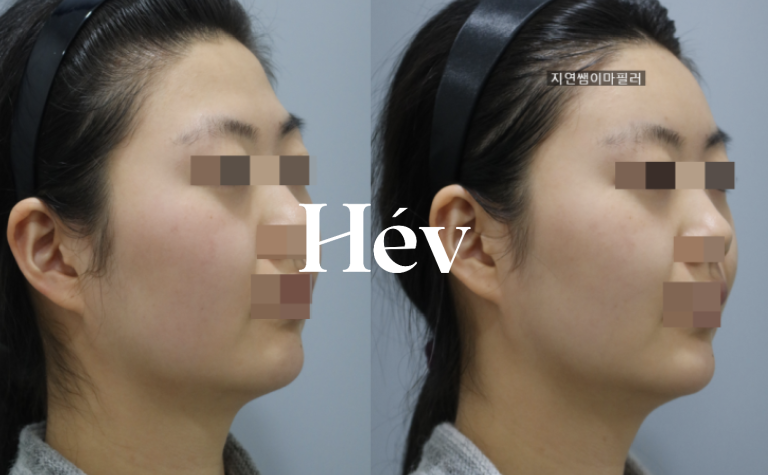
Review: Juvelook + Curejet Forehead Laser Scar Treatment at Hev Clinic
This post was written in accordance with the Medical Service Act and was created by a medical institution operated by a board-certified dermatologist at Hev Clinic, with the consent of the patient who received treatment.
It is not intended to emphasize treatment effects or personal treatment experiences, but rather to provide general information about dermatology and aesthetic procedures.
The photos used in this post meet the following conditions:
- The same individual appears in both the before and after photos.
- The dates when the photos were taken before and after treatment are specified.
- The photos were taken under the same conditions.
This post provides various medical information, including possible side effects that may occur from the procedure. In accordance with Article 56, Paragraph 2, Subparagraph 7 of the Medical Service Act, diagnoses and treatment results may vary depending on the individual, and both effects and side effects may differ from person to person.
※ This article was written directly by the director of Hev Clinic for the purpose of providing information about dermatologic and aesthetic procedures.
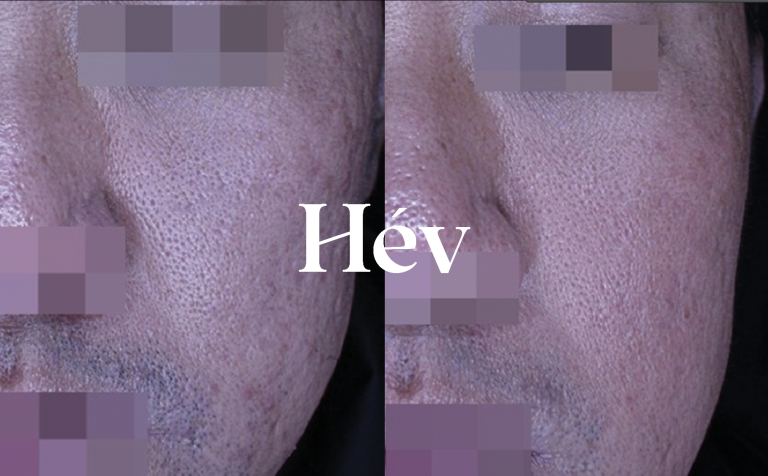
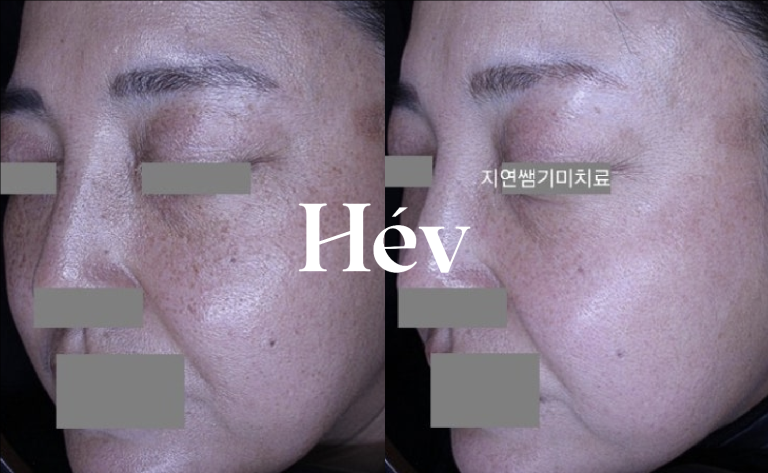
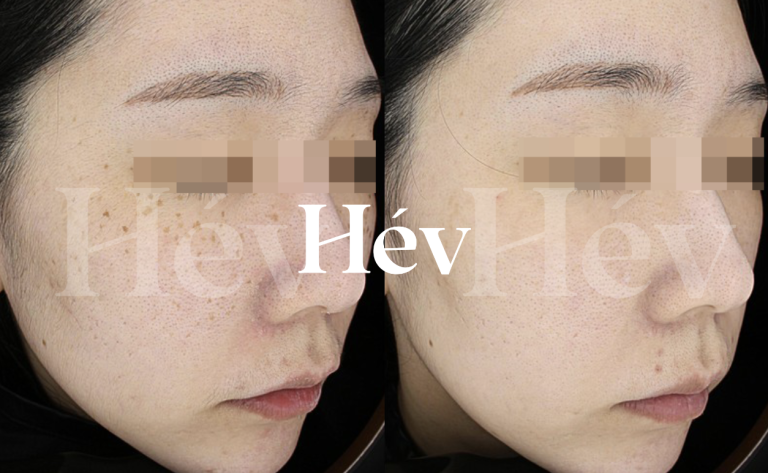
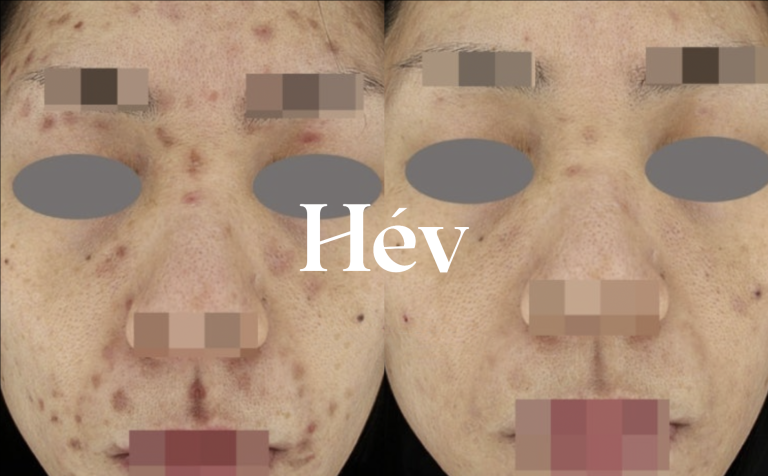
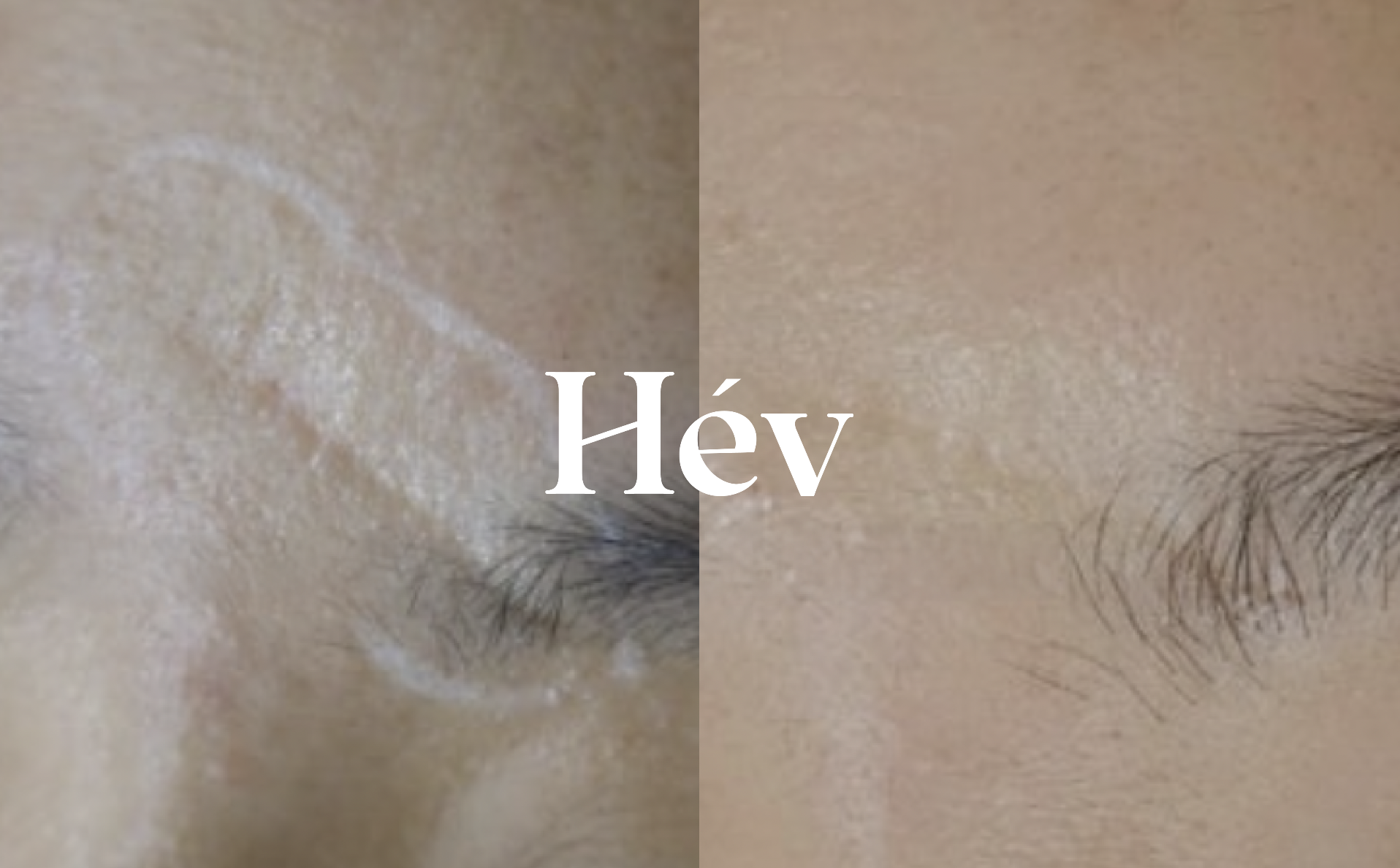
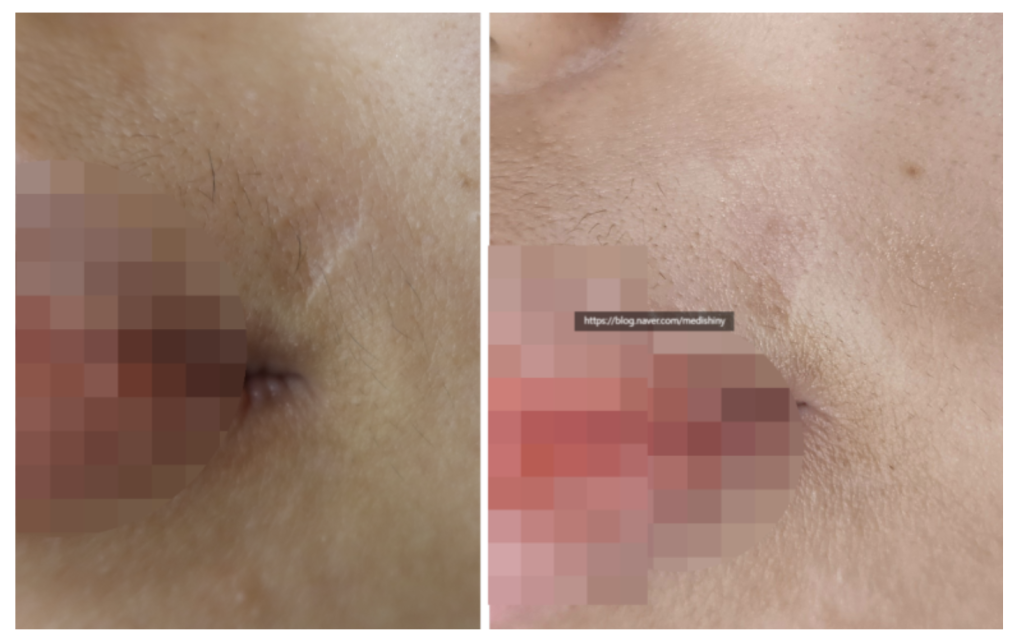
CureJet Scar Treatment: Before & After (Real, Unedited Photos)
Before treatment: 2023.02.13 – After treatment: 2023.04.11
Photo disclosure: These images are shared with the patient’s consent. They are the original, unedited photos of the same person, taken in the same location and lighting conditions.
Please note: Results vary by individual. Before any procedure, we recommend a thorough consultation regarding possible side effects such as temporary redness, bruising, swelling, and pigmentation changes.
I’m truly thankful when patients travel for hours—sometimes by multiple trains and cars—from different regions and the metro area after reading my CureJet posts.
That long trip often comes from a quiet hope: that scars they’ve worried about for years might fade, even a little. Because I never want to overpromise, I share treatment photos exactly as they are—fully unedited.
CureJet is currently offered at only a limited number of clinics, and according to the company, our clinic performs it most frequently. In many cases, this blog is where patients can see the clearest step-by-step progress—so I post results honestly, without exaggeration, to help you set realistic expectations.
My goal is simple: to share outcomes transparently so you can make an informed decision based on real-world results.
Before & After Photos
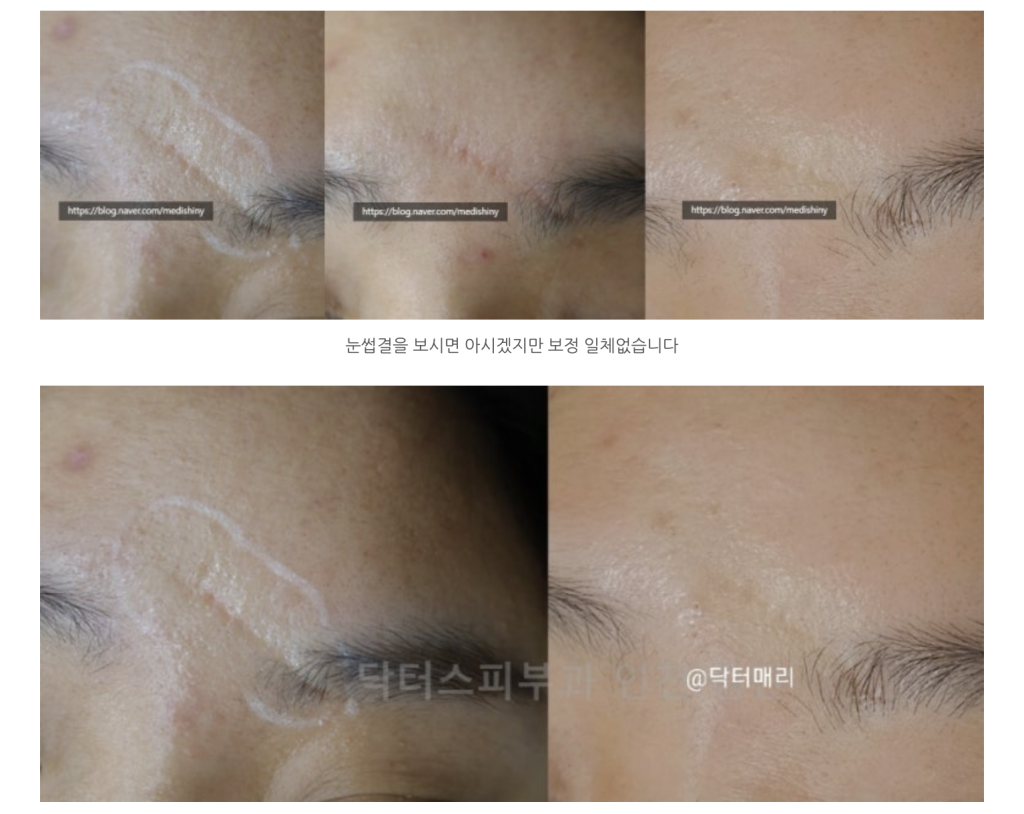
Over time, the scar area can gradually look lighter, less noticeable, and smoother in texture.
How Many Sessions Do You Usually Need?
We’re always grateful when patients come from far away. At the same time, it’s sometimes disappointing when personal circumstances allow only a single visit—because scar improvement often builds gradually with repeated sessions.
Some people see a clear change after just one session. However, you may need more time and consistency when:
- the scars are older and more “set,” or
- the scars are shallow, subtle, and spread across multiple areas.
In those cases, noticeable improvement typically requires at least 3–5 sessions—along with patience and steady follow-up.
Even in scar areas that were once considered very difficult to improve surgically, seeing them soften and fade over time has reinforced for me that CureJet can play a meaningful role in scar care.
Why CureJet Requires Expertise
There are a few challenges that make CureJet treatment technique-sensitive:
- The device can be difficult to master, and the laser work requires extremely precise control.
- Accurate injection depth and treatment “design” (planning the exact areas and pattern) are essential.
- Careful handling of both the laser settings and the CureJet solution is important for consistency and safety.
Still, what makes it impressive is that improvement can happen without facial incisions—with scars gradually becoming less visible over time.
If This Is Your First CureJet Session
If you’re feeling anxious—just like this patient did before their first session—please know that those feelings are completely normal. With the patient’s consent (via a completed consent form), we’re sharing these before-and-after photos to help first-time patients understand what realistic progress can look like.