Dermal Filler Side Effects & Aftercare: A Guide for Medical Tourists in Korea
Possible Side Effects After Dermal Filler Treatment: A Guide for Medical Tourists
Dermal filler treatment is a popular non-surgical aesthetic procedure for restoring facial volume, enhancing contours, and softening lines. While recovery is generally quick, fillers are injected beneath the skin, so temporary reactions and, in rare cases, more serious complications can occur.
For international patients visiting Korea, understanding what is expected after treatment—and knowing when to contact a clinic—is an important part of planning a safe and comfortable medical journey.
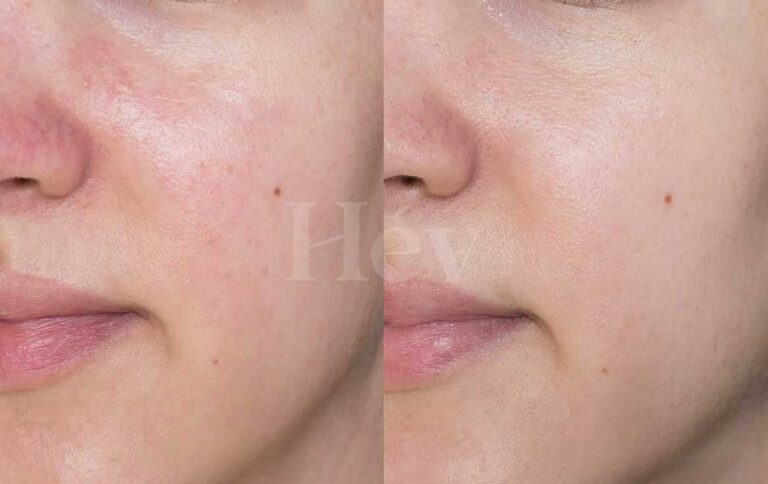
Bruising and Swelling After Filler Injections
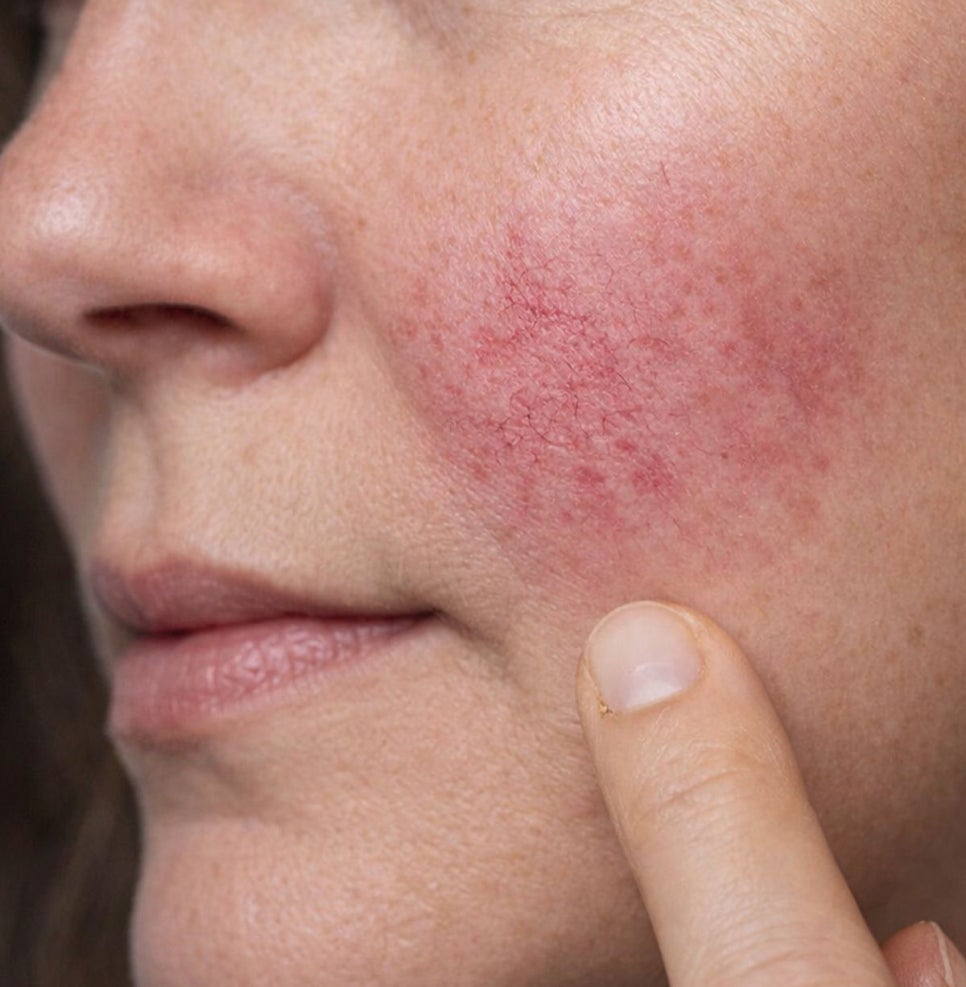
Bruising and swelling are among the most common effects after filler treatment.
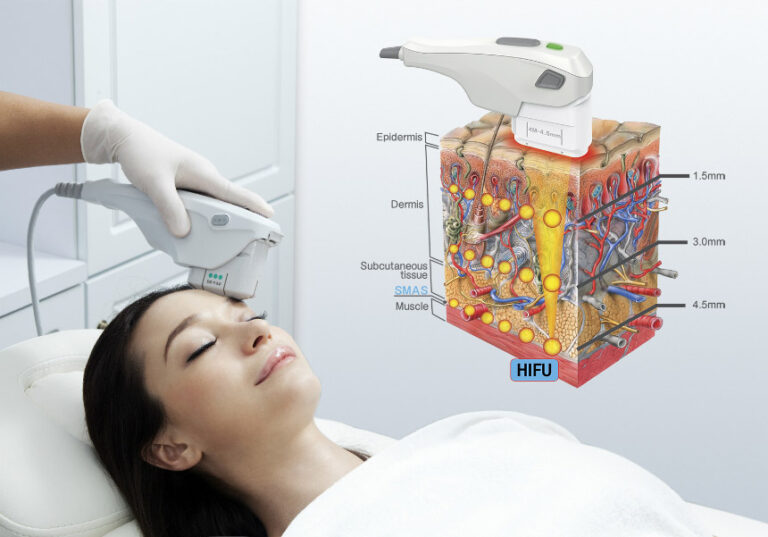
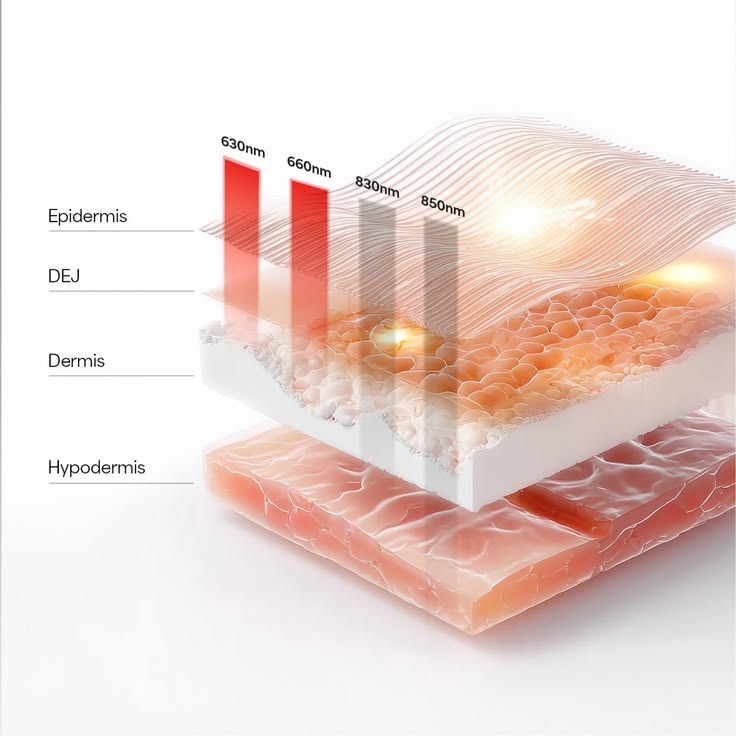
Fillers are placed in the dermis or subcutaneous fat layer using a needle or cannula. During the procedure, small blood vessels may be affected, causing bruising. Because everyone’s blood vessel patterns and skin characteristics are different, bruising can vary significantly between patients, even when the same area is treated.
In most cases:
- Bruising gradually fades within one to two weeks.
- Initial swelling usually improves within three to five days.
- Mild tenderness, redness, or a feeling of fullness may occur during the early recovery period.
Hyaluronic acid fillers can also attract water from surrounding tissues. This may contribute to swelling, particularly in delicate areas such as the lips or under-eye region. If swelling does not improve, becomes more noticeable over time, or is accompanied by other symptoms, a medical assessment is recommended.
Lumps and Uneven Texture: Is It Normal?
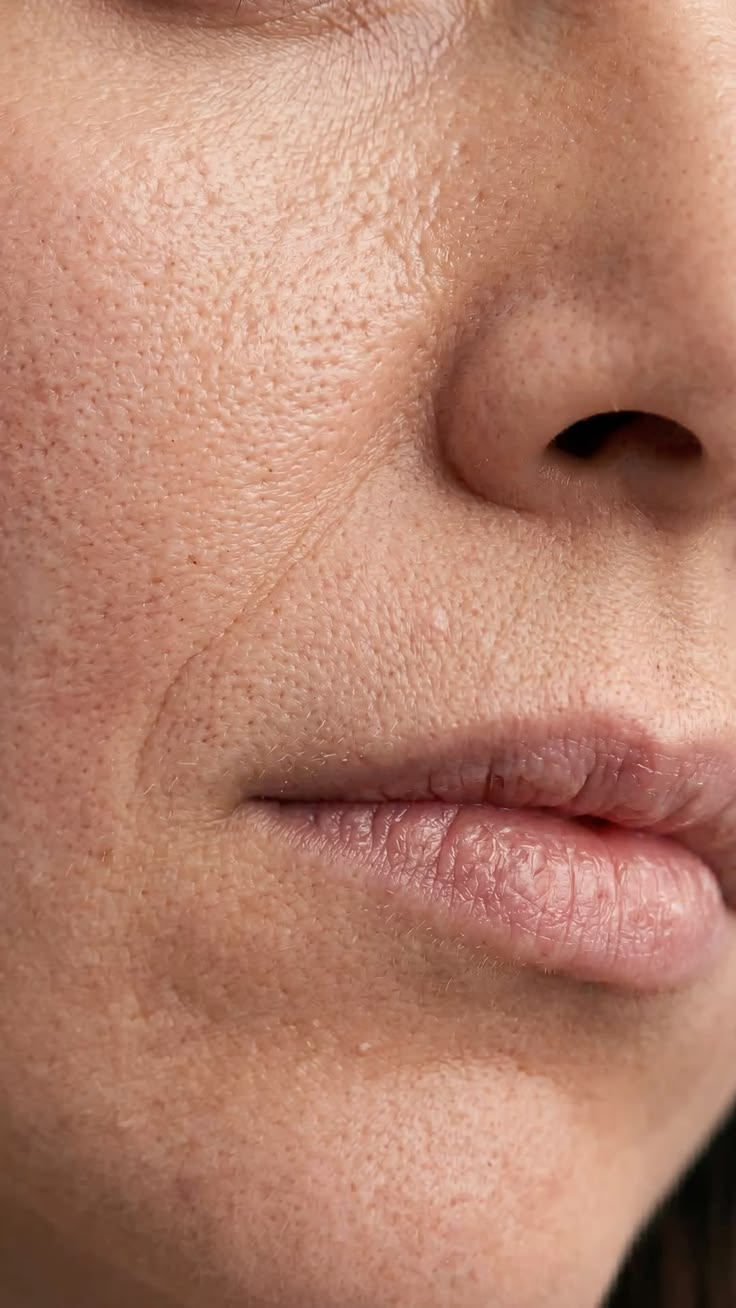
It is not unusual to feel slight unevenness, firmness, or small lumps in the treated area shortly after filler injections. This can occur while the filler settles into the surrounding tissue and while post-treatment swelling is still present.
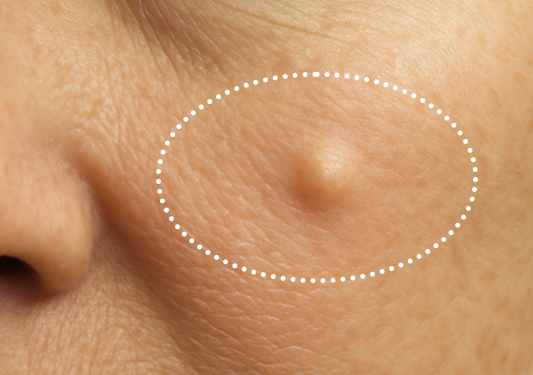
These changes often soften and improve over the following weeks. However, patients should contact their provider if a lump:
- Remains unchanged for an extended period
- Becomes larger or harder
- Causes pain, warmth, or redness
- Appears together with persistent swelling or inflammation
In some cases, a persistent nodule may be associated with a delayed inflammatory or foreign-body reaction, such as a granuloma. Rather than waiting for a concerning lump to resolve on its own, it is best to receive a proper evaluation from a qualified medical professional.
The Tyndall Effect: Bluish Discoloration Under Thin Skin
The Tyndall effect refers to a bluish or grayish tint that may become visible when hyaluronic acid filler is placed too close to the surface of the skin.
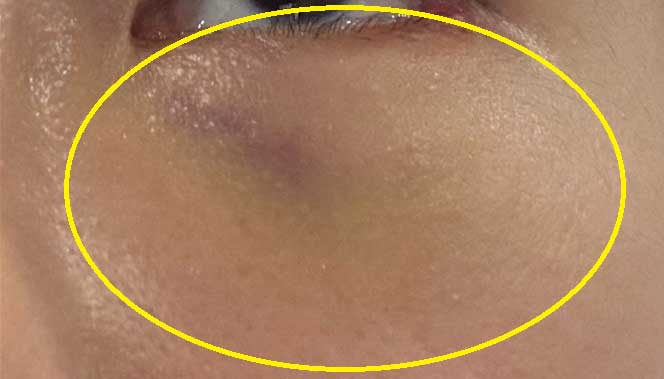
It is most likely to occur in areas with thin skin, including:
- Under the eyes
- Around the lips
- Certain parts of the nose or cheeks
This color change is caused by the way light scatters through the skin and filler material. It does not necessarily mean that there is a problem with the filler product itself; it is usually related to the depth of injection.
If the discoloration persists, a clinician may recommend options such as dissolving the hyaluronic acid filler or adjusting the filler placement.
Vascular Occlusion: A Rare but Urgent Complication
Although rare, vascular occlusion is one of the most serious complications associated with filler treatment.
It can occur if filler enters a blood vessel or places pressure on a vessel, reducing blood flow to the affected tissue. Early recognition and prompt treatment are essential to reduce the risk of tissue damage.
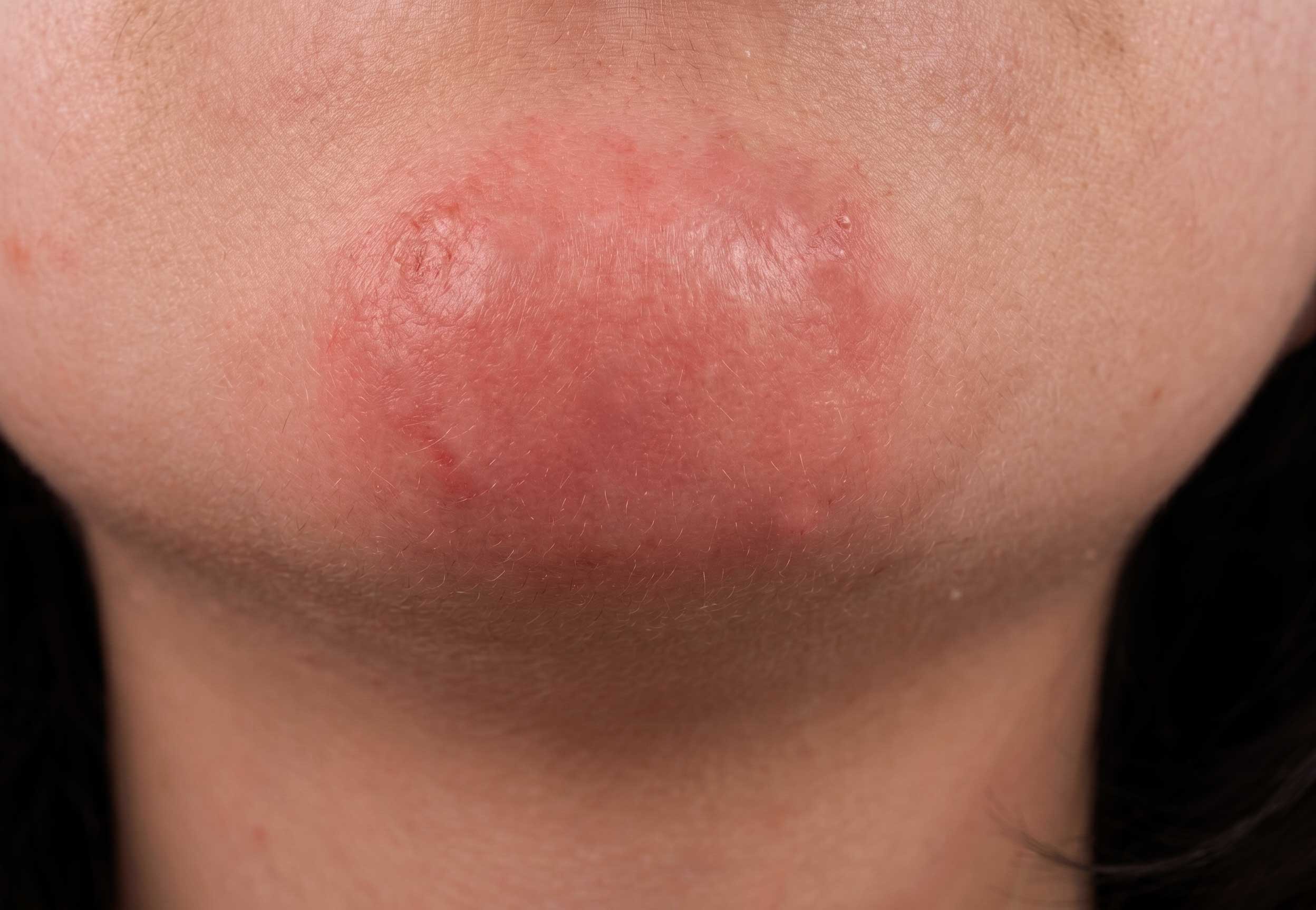
Seek urgent medical attention immediately if you experience symptoms such as:
- Sudden or severe pain during or after treatment
- Skin that becomes unusually pale, white, gray, purple, or blotchy
- Increasing pain that is out of proportion to the procedure
- Coolness of the skin in the treated area
- Blistering, darkening, or rapidly worsening skin changes
- Any visual disturbance after facial filler treatment
Medical tourists should make sure they know how to contact their treating clinic after the procedure. If urgent symptoms occur and the clinic cannot be reached promptly, visit a nearby emergency medical facility without delay.
How the Risk of Filler Side Effects Can Be Reduced
Every filler product has different physical characteristics, including its hyaluronic acid concentration, density, elasticity, and cross-linking technology. The most suitable product and injection technique depend on the treatment area, skin thickness, desired result, and individual facial anatomy.
Risk reduction depends on several important factors:
- Choosing an appropriately qualified and experienced medical practitioner
- Careful knowledge of facial anatomy and blood vessel pathways
- Selecting the right filler product for each area
- Using an appropriate injection depth and technique
- Receiving a personalized consultation before treatment
- Following post-treatment instructions and attending follow-up care when advised
For patients traveling from overseas, it is also helpful to schedule filler treatment early enough in the trip to allow time for common swelling or bruising to improve before important events or travel home.
When to Contact Your Clinic After Treatment
Most minor side effects improve naturally as the treated area heals. However, do not wait if you notice unusual symptoms.
Contact your clinic promptly if you have persistent or worsening swelling, pain, redness, skin discoloration, a growing lump, signs of infection, or any concern about your recovery. A timely medical evaluation can help distinguish normal healing from a reaction that needs treatment.
Dermal fillers can offer natural-looking results with relatively little downtime, but safe treatment begins with informed decision-making, an individualized approach, and access to appropriate aftercare.
Start your journey with a free online consultation!
Once you submit the form, our doctor will carefully review your information and get back to you with personalized treatment recommendations.


Hév Seoul branch
LOCATION
|
Monday – Friday |
10:00 AM – 8:00 PM |
|
Lunch Break |
1:00 PM – 2:00 PM |
|
Saturday (no lunch break) |
10:00 AM – 4:00 PM |
Note: This article was translated and published from the original with consent from the author.