Juvelook + CureJet: Chickenpox Scar Treatment Review
This post was written in accordance with the Medical Service Act and was created by a medical institution operated by a board-certified dermatologist at Hev Clinic, with the consent of the patient who received treatment.
It is not intended to emphasize treatment effects or personal treatment experiences, but rather to provide general information about dermatology and aesthetic procedures.
The photos used in this post meet the following conditions:
- The same individual appears in both the before and after photos.
- The dates when the photos were taken before and after treatment are specified.
- The photos were taken under the same conditions.
This post provides various medical information, including possible side effects that may occur from the procedure. In accordance with Article 56, Paragraph 2, Subparagraph 7 of the Medical Service Act, diagnoses and treatment results may vary depending on the individual, and both effects and side effects may differ from person to person.
※ This article was written directly by the director of Hev Clinic for the purpose of providing information about dermatologic and aesthetic procedures.
Today I’m sharing a real-world case of treating stubborn chickenpox scars with laser therapy—helping depressed scars gradually refill using JubeRuk (CureJet + JubeRuk).
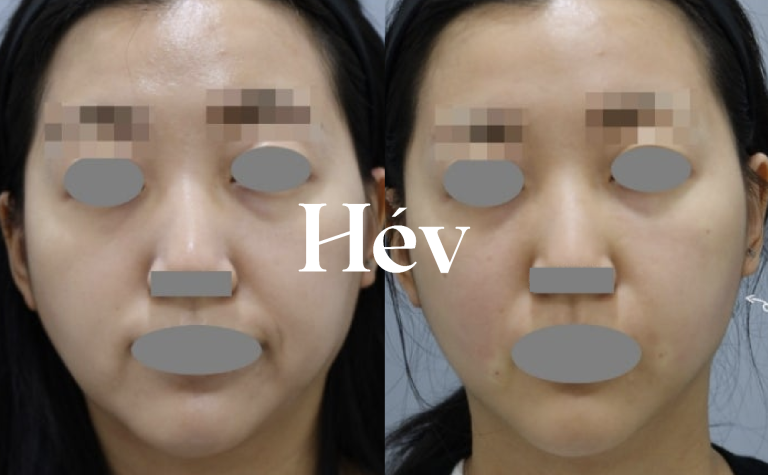
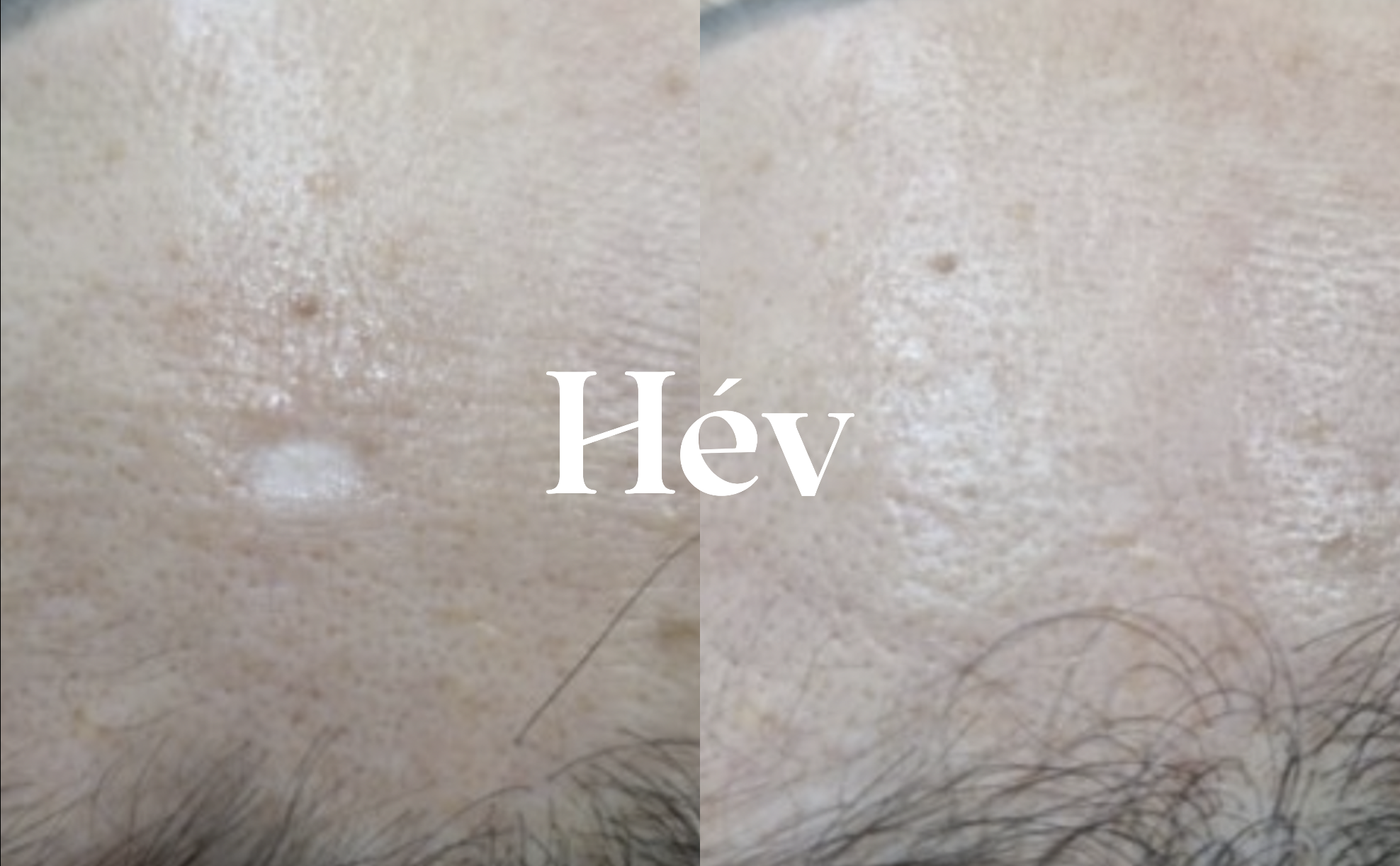
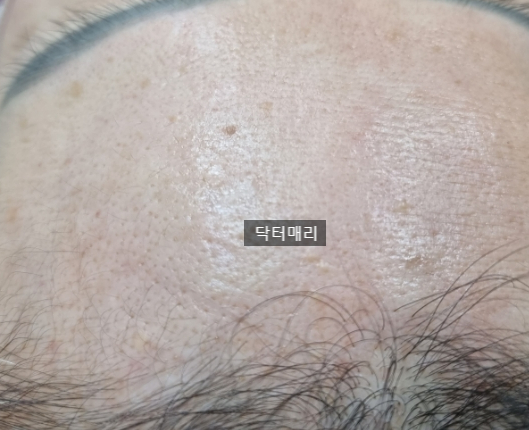
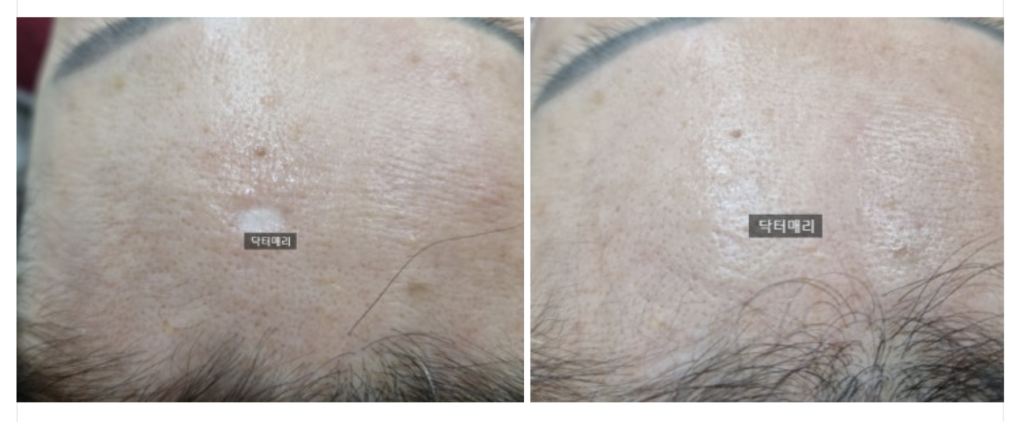
Forehead chickenpox scars – CureJet
Before: 2023.02.17 | After: 2023.03.29
These images were posted with the patient’s consent. They are original, unedited photos taken in the same location under the same conditions.
Please note: Results vary from person to person. Before treatment, make sure you have a detailed consultation about possible side effects such as pigmentation, bruising, or swelling.
Why chickenpox scars are so hard to treat
Dermatology has come a long way with lasers and scar treatments—but chickenpox scars are still known as some of the most stubborn and difficult to improve.
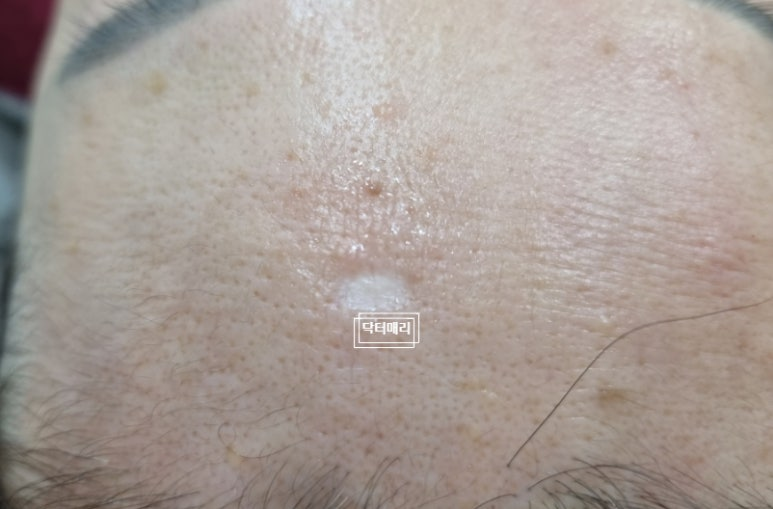
Traditionally, the foundation of scar treatment has been Fraxel (fractional laser). It works by creating tiny, controlled injuries in the scarred area so the skin can heal and remodel—ideally becoming closer to the surrounding normal skin.
But chickenpox scars are often widespread, shallow, and pitted. In many cases, even repeated Fraxel sessions, subcision, or microneedling don’t trigger the kind of strong regenerative response you’re hoping for.
Common options people consider (and the limitations)
- Scar revision surgery: The scarred area is excised and stitched. This can replace a small round scar with a longer linear scar.
- Dermal filler: Filler can lift the depressed area for faster visual improvement without aggressive laser downtime.
The main downside of fillers is that they gradually dissolve, meaning maintenance treatments are needed. For people looking for a more fundamental, long-term approach, that can feel limiting.
Personally, after trying different approaches for burn scars, I often felt like I’d hit a wall—until I became interested in JubeRuk, a regenerative scar solution, and later CureJet, which can deliver it more effectively into the scar.
The goal is simple: help the depressed scar gradually refill and remodel without surgery—and without the kind of redness, scabbing, or repeated filler injections that can come with other methods.
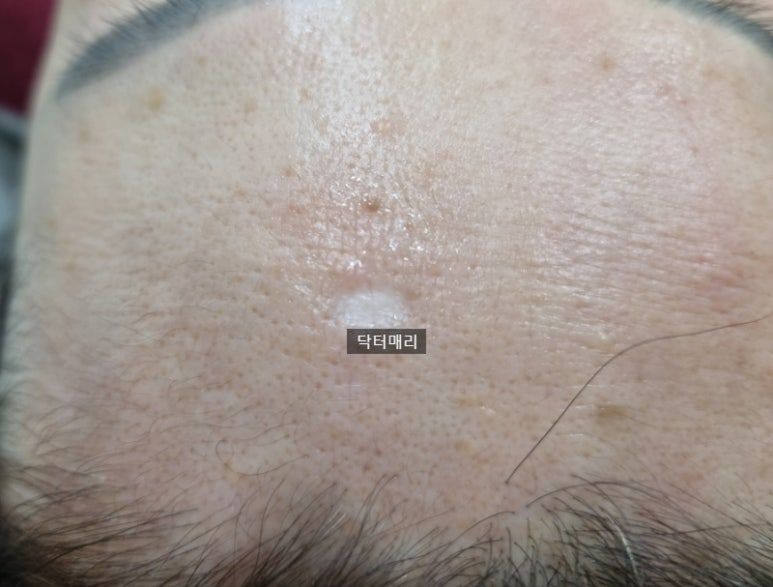
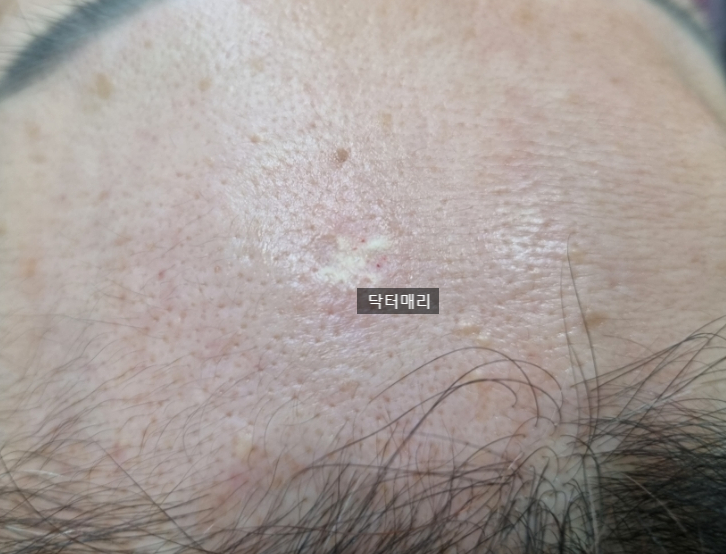
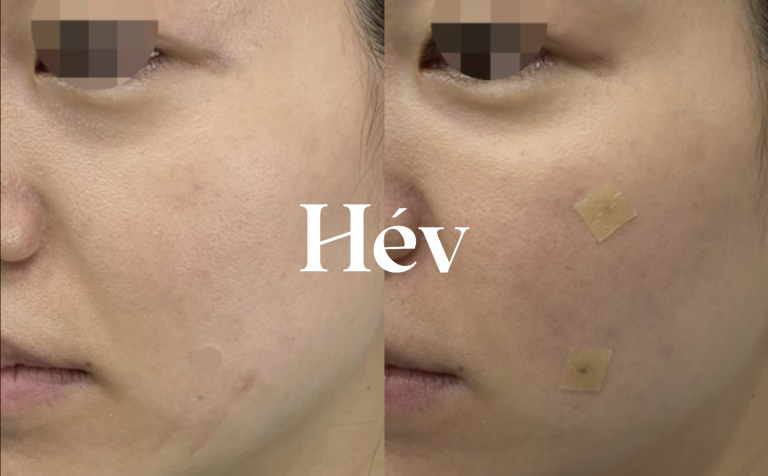
Immediately after treatment (right after the chickenpox-scar solution is applied).
With a small piece of Duoderm placed over the area, most people can wash their face and wear makeup starting the next day.
In other words, it usually doesn’t disrupt everyday life.
As the weeks go by, you can often see the area slowly filling in—and what many patients like most is that it’s not “just filler.” The aim is your own skin gradually regenerating.
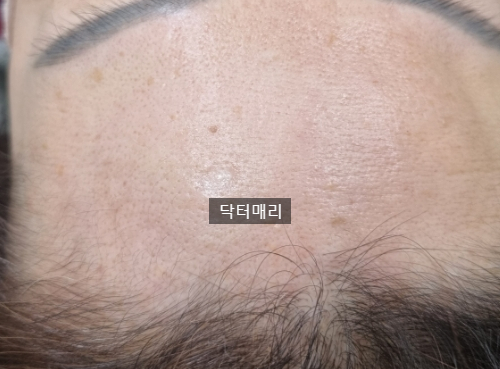
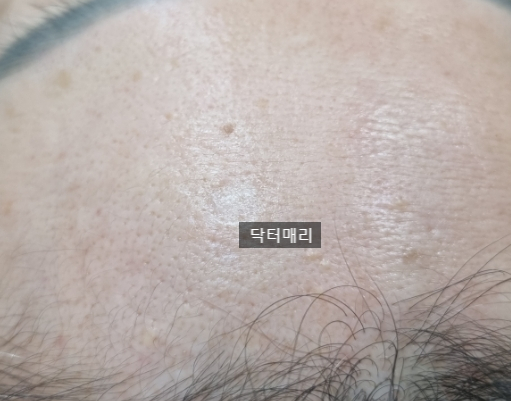
Without surgery—and without repeatedly relying on fillers or needles—chickenpox scars can gradually improve over time with the right plan.
What is “JubeRuk” (CureJet + JubeRuk)?
CureJet + JubeRuk
“JubeRuk” is a nickname our clinic director coined, and it may become a signature procedure at our clinic.
That said, this laser isn’t something you can use casually. Getting the solution to distribute properly can be surprisingly challenging. Delivery can vary depending on factors like the condition of the JubeRuk solution, the laser’s intensity and speed settings, and the scar’s depth and shape.
Because I’ve previously used a similar device (MiraJet) and I’m familiar with CureJet, I’ve been able to adapt more smoothly. But for a doctor using it for the first time, it typically takes several attempts—sometimes 2 to 5 sessions—to really understand how to control the variables.
It’s a delicate tool, and I’d hate to see it dismissed too quickly as “not working” simply because it wasn’t used under the right conditions.
The technology—both the laser and the solution—is genuinely impressive. My hope is that, as more clinicians become skilled with it, fewer people will feel like surgery is their only option for chickenpox scars.
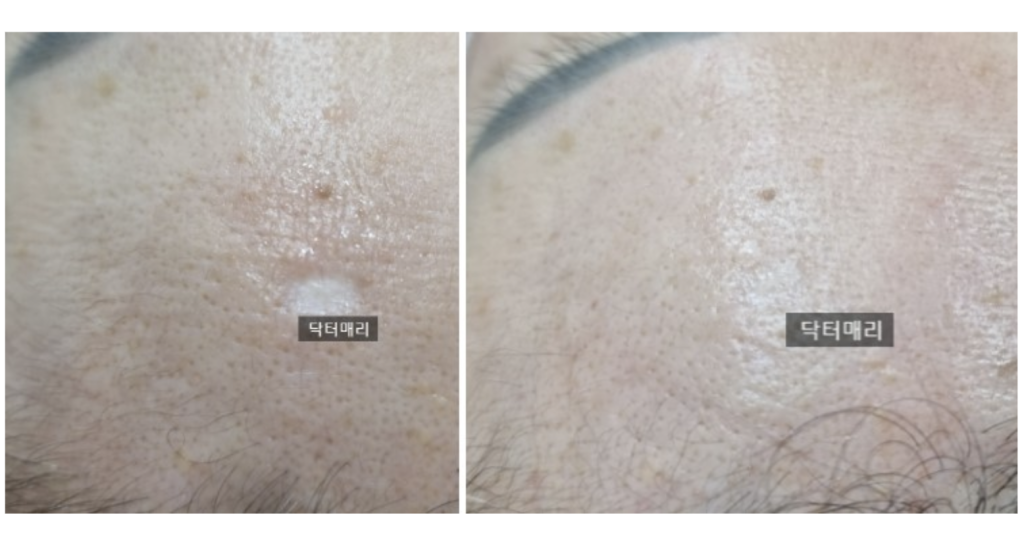
If you’re starting chickenpox scar treatment for the first time and feeling unsure, you’re not alone. With the patient’s consent (and a signed consent form), we’re sharing these before-and-after images to help you better understand what this approach can look like in real life.
Thank you for reading.